
Tech
Identifying AI-Created Historical Images: A Guide
A recent investigation highlights the prevalence of AI-generated historical images and offers tips on how to identify them.
Jul 20, 2026, 12:32 PM | 1-2 min read | By Wadi News Editorial Team
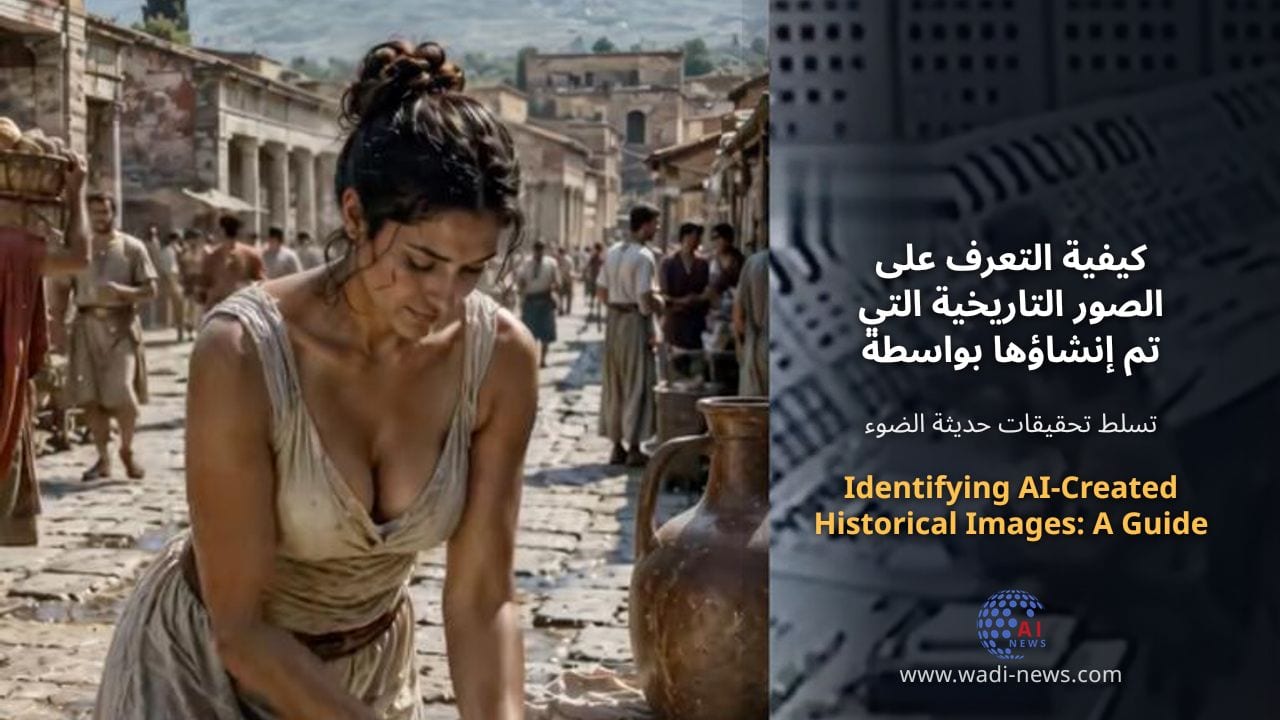
In our rapidly evolving digital landscape, distinguishing between genuine historical images and those fabricated by artificial intelligence has become increasingly challenging. A recent analysis from DW Fact Check reveals three purported historical videos that have been entirely generated by AI. This development raises significant concerns regarding the authenticity of visual media and its implications for historical accuracy. The ability to discern real from fake is crucial not only for historians and educators but for the general public as well.
The investigation highlights key characteristics that can help individuals spot these AI-generated images. For example, inconsistencies in lighting, unnatural facial expressions, and irregularities in backgrounds are common indicators of artificial creation. By paying attention to these details, viewers can better equip themselves to challenge misleading content circulating on social media and other platforms. Furthermore, understanding the techniques used in generating these images can foster a healthier skepticism towards the media we consume daily.
As technology continues to advance, the line between reality and fabrication blurs, posing risks to our understanding of history. Misinformation can easily spread when AI-generated content is mistaken for authentic historical records. This situation necessitates a collective effort to educate the public on recognizing such fakes, ensuring that knowledge of our past remains grounded in truth and accuracy. Public awareness campaigns and educational resources are essential in combating this growing issue.
In conclusion, as AI technology becomes more sophisticated, our ability to discern the authenticity of historical images will be tested. It is imperative for individuals to develop critical viewing skills and remain vigilant against the backdrop of an increasingly digital narrative. By fostering awareness and understanding, we can preserve the integrity of historical documentation in the face of emerging technological challenges.