
Economy
Surge in Drug Prices in Sudan Due to Dollar Pressure and Factory Shutdowns
The rising cost of imported medications in Sudan, driven by the increasing exchange rate of the dollar, is putting significant strain on patients, especially as local drug production declines due to ongoing conflict.
Jul 20, 2026, 3:51 AM | 1-2 min read | By Wadi News Editorial Team
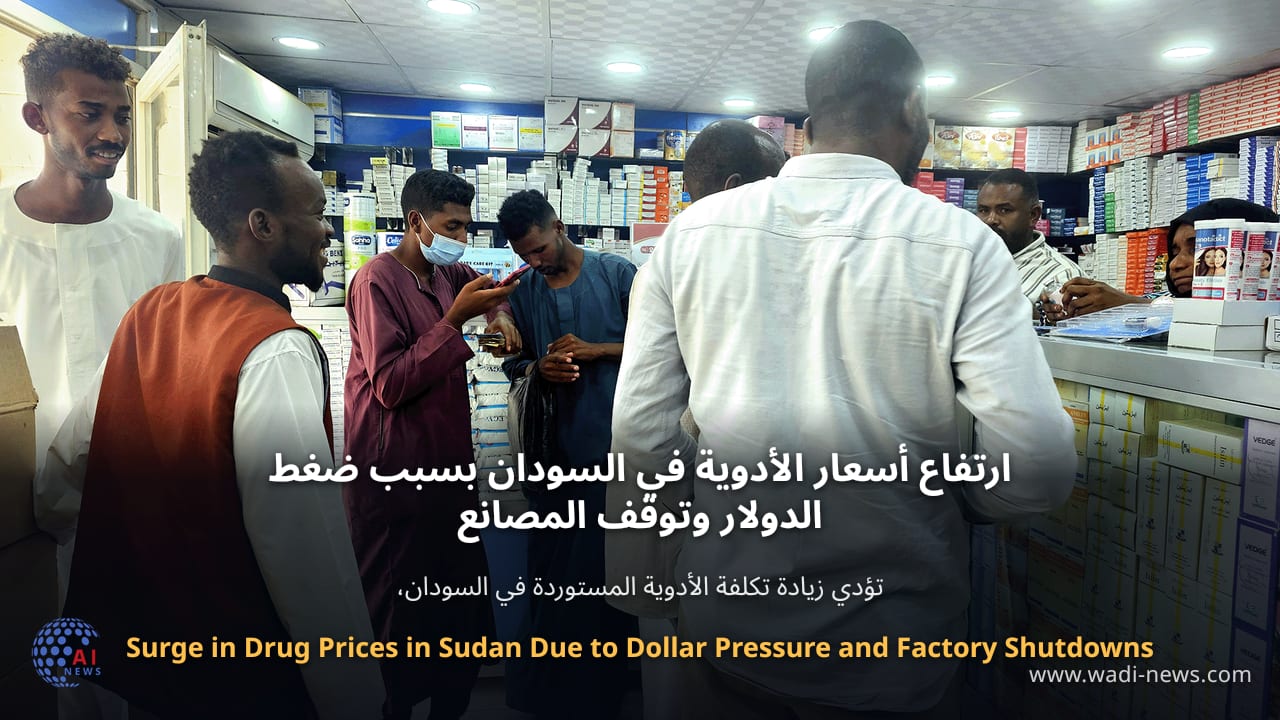
In Sudan, the prices of imported medications have experienced a dramatic increase, primarily attributed to the rising exchange rate of the dollar against the Sudanese pound. This surge in costs is exacerbating the already critical situation for many patients who rely on these essential drugs for their health and well-being. The impact of the ongoing conflict in the country has further complicated matters, as local pharmaceutical manufacturing has significantly declined, leaving patients with fewer options and higher expenses.
As the value of the dollar continues to climb, pharmacies and healthcare providers are faced with the difficult task of adjusting their prices to keep up with the market. Many patients find themselves in a dire situation where they must choose between affording their medications or attending to other basic needs. This dilemma is particularly challenging for families with limited financial resources, as the cost of healthcare continues to rise amid economic instability.
The local drug production facilities, which once contributed significantly to the availability of affordable medications, have been severely affected by the ongoing war. Many factories have halted their operations due to safety concerns and supply chain disruptions, leading to a reliance on imported drugs that are now priced out of reach for many. This situation raises serious concerns about the health outcomes for patients who cannot access the medications they need.
In conclusion, the combination of rising dollar prices and the shutdown of local production facilities has created a perfect storm for the healthcare sector in Sudan. Without immediate intervention and support, the situation is likely to worsen, leaving countless individuals without access to necessary medical treatments. It is imperative for authorities and international organizations to address these challenges to ensure that healthcare remains accessible and affordable for all citizens.