
Economy
The Nationalization of British Steel: A New Economic Tension Between London and Beijing
The nationalization of British Steel has sparked outrage in Beijing, raising concerns about the future of British-Chinese economic relations.
Jul 18, 2026, 12:59 AM | 1-2 min read | By Wadi News Editorial Team
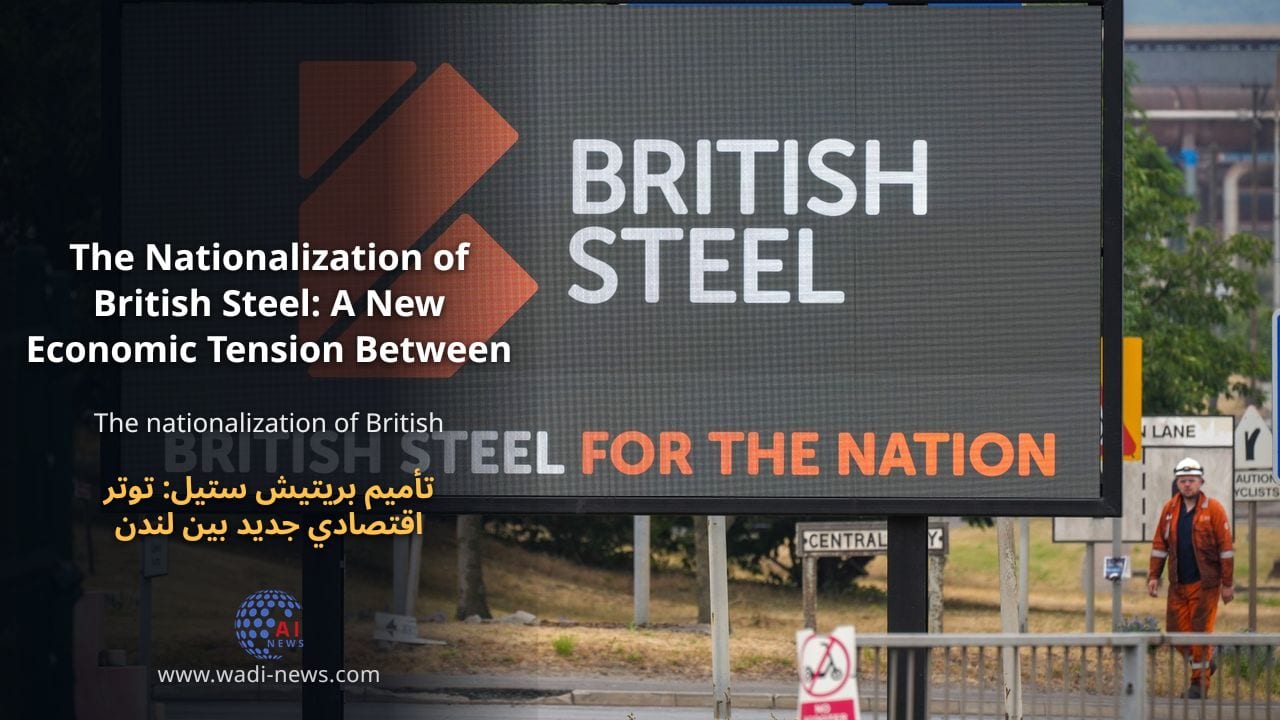
The recent nationalization of British Steel has sent ripples through the international economic landscape, particularly straining ties between the United Kingdom and China. This bold move by the UK government is perceived as a significant shift in economic policy, one that has raised eyebrows in Beijing. Chinese officials have expressed their discontent, viewing the nationalization as an affront to their investments in the UK, particularly those made by the Jingye Group, which had a stake in British Steel. This situation not only threatens the trust that Chinese enterprises place in the UK market but also signals a potential politicization of economic relations between the two nations.
The implications of this nationalization extend beyond mere economic repercussions. Analysts suggest that such actions could lead to a broader reassessment of foreign investments in the UK, especially from China. As the UK government takes a more assertive stance on domestic industries, it raises questions about how future investments will be treated. The Jingye Group, which had aimed to revitalize British Steel, now finds itself in a precarious position, as its efforts may be undermined by political decisions rather than market dynamics.
Moreover, this episode highlights a growing trend of economic nationalism, where countries are increasingly prioritizing domestic industries over foreign investments. The UK's decision to nationalize British Steel could be seen as a part of a larger pattern of protectionism that is emerging globally. As governments weigh the benefits of foreign capital against the need for national security and economic independence, the landscape of international trade is likely to evolve.
In conclusion, the nationalization of British Steel marks a critical juncture in UK-China economic relations. As both nations navigate this complex scenario, the potential for increased tension looms large. The UK must carefully consider the long-term implications of its policies on foreign investments, while China may need to reassess its approach to investing in the UK amidst an increasingly uncertain economic environment.