
Economy
Alternative Routes for Gulf Oil and Gas: Are They Enough?
Despite the existence of alternative routes, experts assert that none can replace the strategic waterway of the Strait of Hormuz, through which approximately a quarter of the world's maritime oil trade passes.
Jul 17, 2026, 4:59 AM | 1-2 min read | By Wadi News Editorial Team
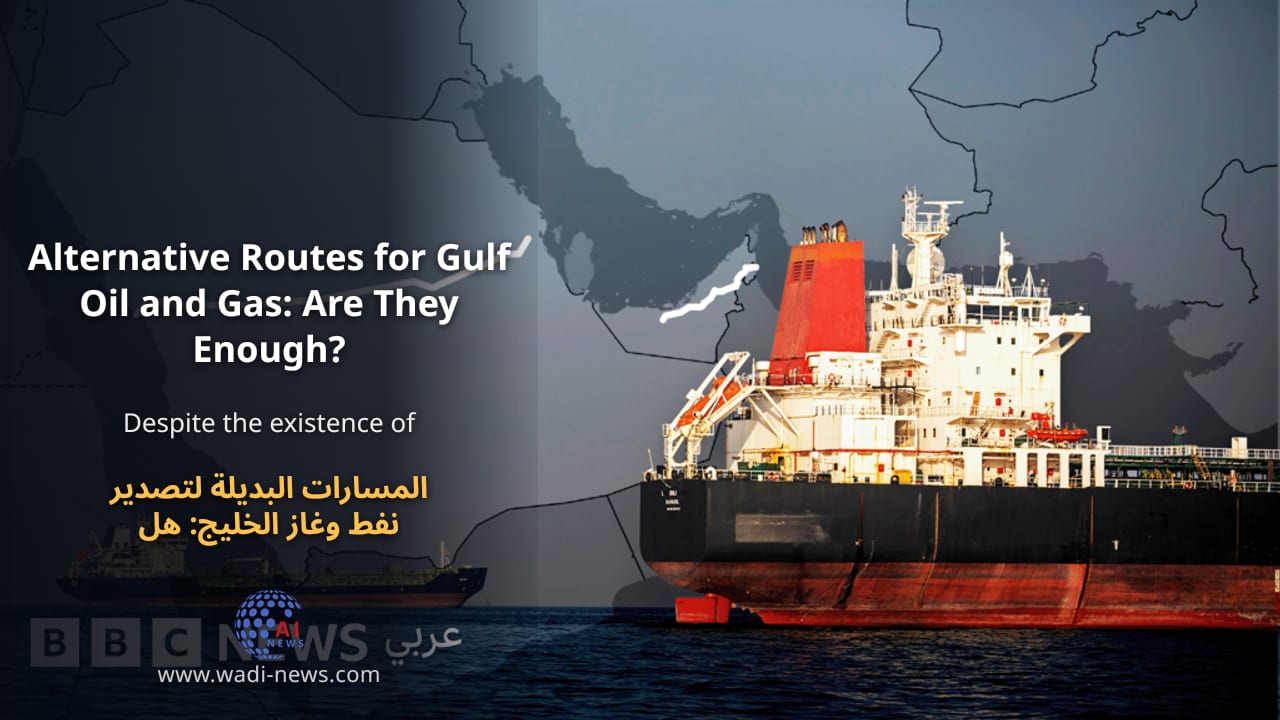
The Strait of Hormuz remains a critical chokepoint for global oil and gas exports, with experts emphasizing its irreplaceable role in the maritime trade system. Approximately 20% of the world’s total oil consumption flows through this narrow passage, making it an essential route for energy supplies to many countries. In recent years, geopolitical tensions have raised concerns about the security of this strategic waterway, prompting discussions about alternative routes for transporting oil and gas from the Gulf region.
While there are other potential shipping routes available, such as pipelines that traverse neighboring countries or routes around the southern tip of Africa, experts argue that these alternatives cannot match the efficiency and capacity of the Strait of Hormuz. The logistical challenges and costs associated with these alternatives are significant, and the existing infrastructure is heavily reliant on the Strait for its operational efficiency.
Moreover, the Strait of Hormuz is not only vital for oil; it also plays a crucial role in the transport of liquefied natural gas (LNG). As countries around the world increasingly shift toward natural gas as a cleaner energy source, the demand for secure and reliable transport routes has only intensified. This dependence on the Strait highlights the need for continued investment in its security and stability, as any disruption could have far-reaching effects on global energy markets.
In conclusion, while the exploration of alternative routes is essential for diversifying energy transport, the Strait of Hormuz's significance cannot be overlooked. Ensuring the safety and security of this vital passage is paramount for maintaining the flow of oil and gas to the global market, and any threats to its operation could lead to significant economic repercussions worldwide.