
Tech
EU Directs Google to Share Search Data and Embrace AI Competitors
The European Union has mandated Google to provide search data to rival engines and to open its Android platform to competing AI services, aiming to limit the influence of major tech companies.
Jul 17, 2026, 12:19 AM | 5 min read | By Wadi News Editorial Team
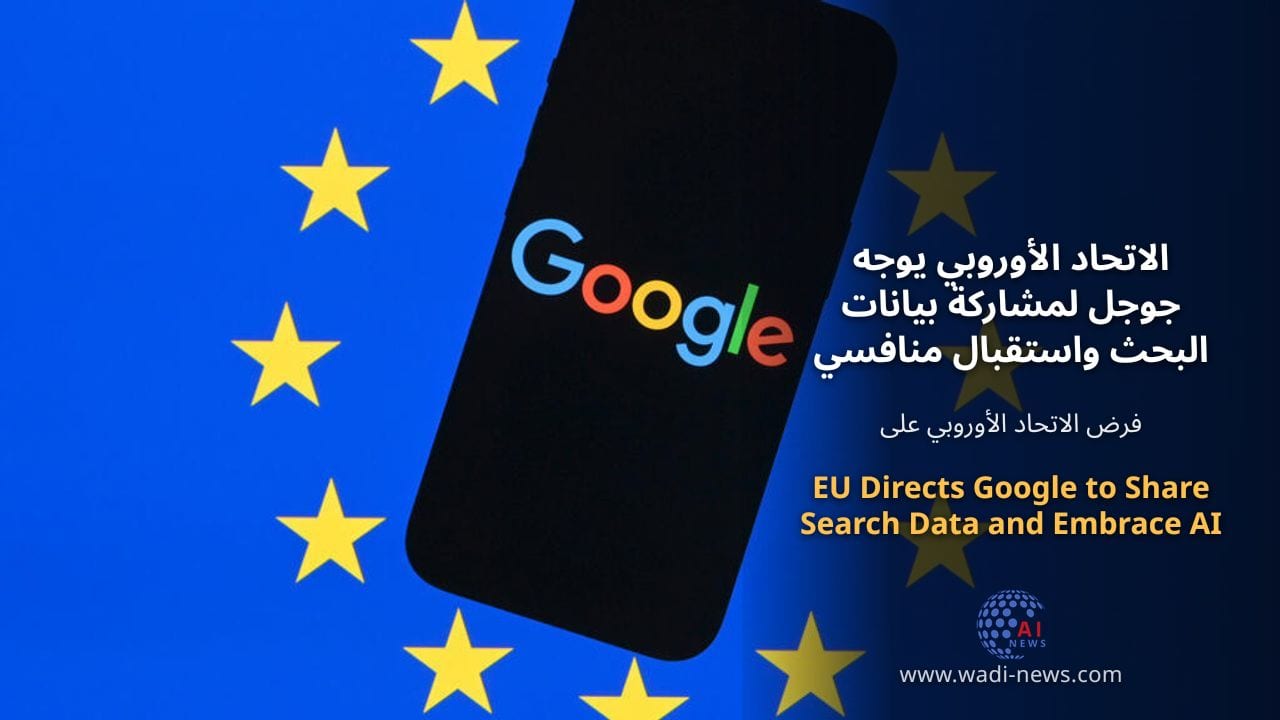
In a significant move to regulate the tech industry, the European Union has ordered Google to share its search data with competing search engines and to allow rival AI services access to its Android operating system. This directive is part of the EU's Digital Markets Act, which seeks to promote fair competition and limit the dominance of major tech firms. The decision comes amid growing concerns about the power these companies hold over the digital market and the implications for consumer choice.
Google has responded to the EU's order with caution, warning that sharing search data could compromise user privacy and national security. The company argues that such measures may lead to unintended consequences that could affect users' trust in their services. Despite these concerns, EU officials maintain that the changes are necessary to ensure a diverse marketplace where consumers have more options when it comes to search engines and AI applications.
The impact of this ruling could be far-reaching, as it not only affects Google but also sets a precedent for how other tech giants might be regulated in the future. By compelling Google to open its platform, the EU hopes to stimulate innovation and competition, which have been stifled by the current market dynamics dominated by a few large players. This development could encourage more startups and smaller companies to enter the AI and search engine space, potentially leading to advancements in technology and services available to consumers.
As the tech landscape evolves, the EU's actions reflect a broader trend of increased scrutiny on Big Tech. Lawmakers are increasingly aware of the need to balance innovation with consumer protection, and this directive is a clear signal that the EU is willing to take strong measures to ensure that the digital market remains competitive. The coming months will be crucial as the implications of this order unfold and its effects on the tech industry become clearer.
Implications for Consumers

The EU's decision to mandate Google to share its search data could significantly alter the landscape for consumers. With increased access to diverse search engines and AI services, users may benefit from improved personalization and innovation in the services they use. This democratization of data could lead to a more competitive environment where companies strive to enhance their offerings, ultimately providing consumers with better choices and experiences.
Future of Big Tech Regulation

This ruling by the EU represents a pivotal moment in the ongoing discussion about how to regulate tech giants. It signals a shift towards more stringent regulations aimed at ensuring fair competition and protecting consumer rights. As other jurisdictions observe the EU's approach, it may inspire similar actions worldwide, potentially reshaping the global tech landscape and prompting Big Tech companies to adapt their business models to comply with new regulations.