
ADVERTISEMENT
Tech
Publishers Take Legal Action Against Google for AI Training Practices
A group of book publishers has initiated a lawsuit against Google, claiming the company unlawfully used copyrighted materials to train its AI models, which undermines the work of human authors.
Jul 15, 2026, 5:00 PM | 1-2 min read | By Wadi News Editorial Team
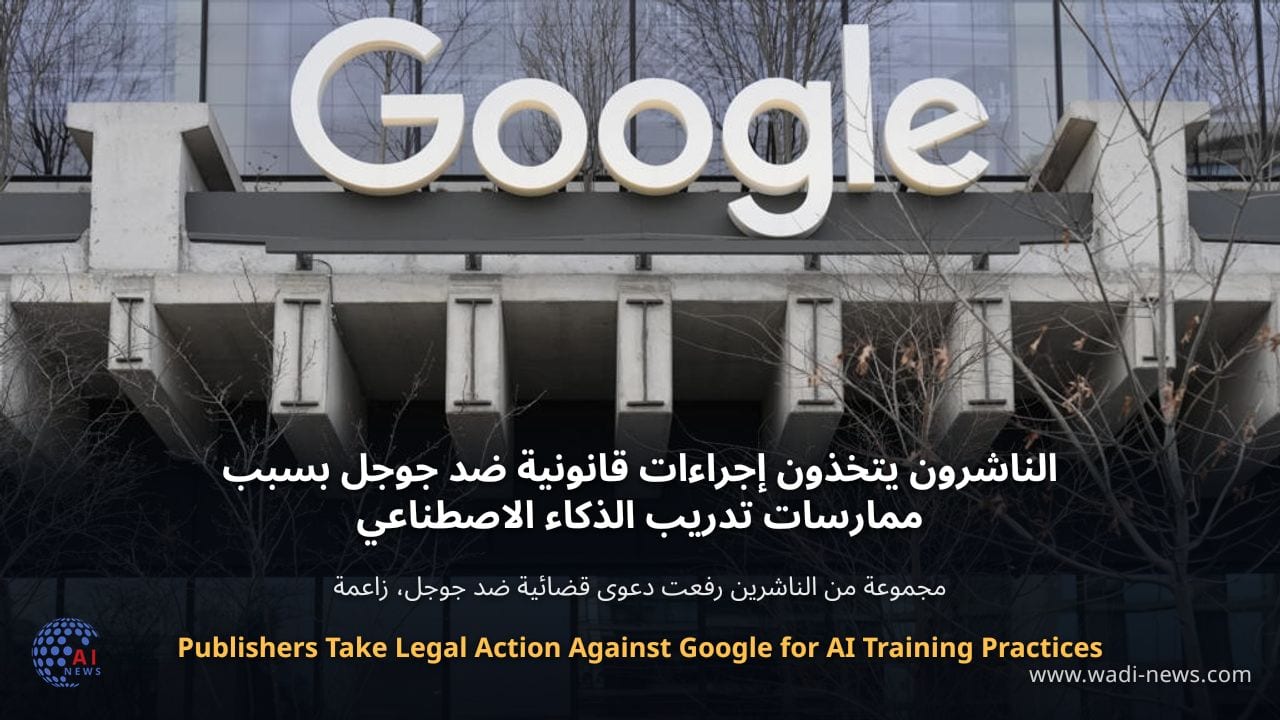
In a significant legal move, several book publishers have filed a lawsuit against Google, alleging that the tech giant unlawfully utilized copyrighted books to train its artificial intelligence models. This lawsuit has emerged as a critical examination of how technology companies leverage creative works in the development of AI systems. The publishers argue that Google's actions not only violate copyright laws but also pose a direct threat to the livelihood of authors and the integrity of the publishing industry.
The lawsuit outlines the perspective of the publishers, emphasizing that the use of their copyrighted materials without permission for AI training constitutes a serious infringement. They contend that this practice enables Google to produce content that competes directly with that of human authors, thereby diluting the value of original literary works. The case has sparked a broader discussion on the ethical implications of AI in creative fields, raising questions about intellectual property rights in an increasingly digital world.
As the legal battle unfolds, it highlights the growing tension between traditional publishing and the rapidly evolving landscape of artificial intelligence. Many in the publishing industry are concerned that if companies like Google are allowed to continue using their works without consent, it could set a dangerous precedent that undermines the rights of creators. This lawsuit is not just about financial compensation; it represents a fight for the future of creative expression and the protection of intellectual property.
In conclusion, the outcome of this lawsuit could have far-reaching implications for both the publishing industry and AI development. As technology continues to evolve, the legal frameworks surrounding copyright and creative works will need to adapt accordingly. This case could potentially reshape the relationship between publishers and tech companies, ensuring that the rights of authors are safeguarded in an era where artificial intelligence plays an increasingly prominent role in content creation.