
ADVERTISEMENT
Politics
Lebanon-Israel Talks Shift to Rome: Key Reasons Behind the Move
The Lebanon-Israel discussions have moved from Washington to Rome after five rounds of talks. This article explores the reasons behind the relocation and the key issues at stake.
Jul 14, 2026, 10:47 PM | 1-2 min read | By Wadi News Editorial Team
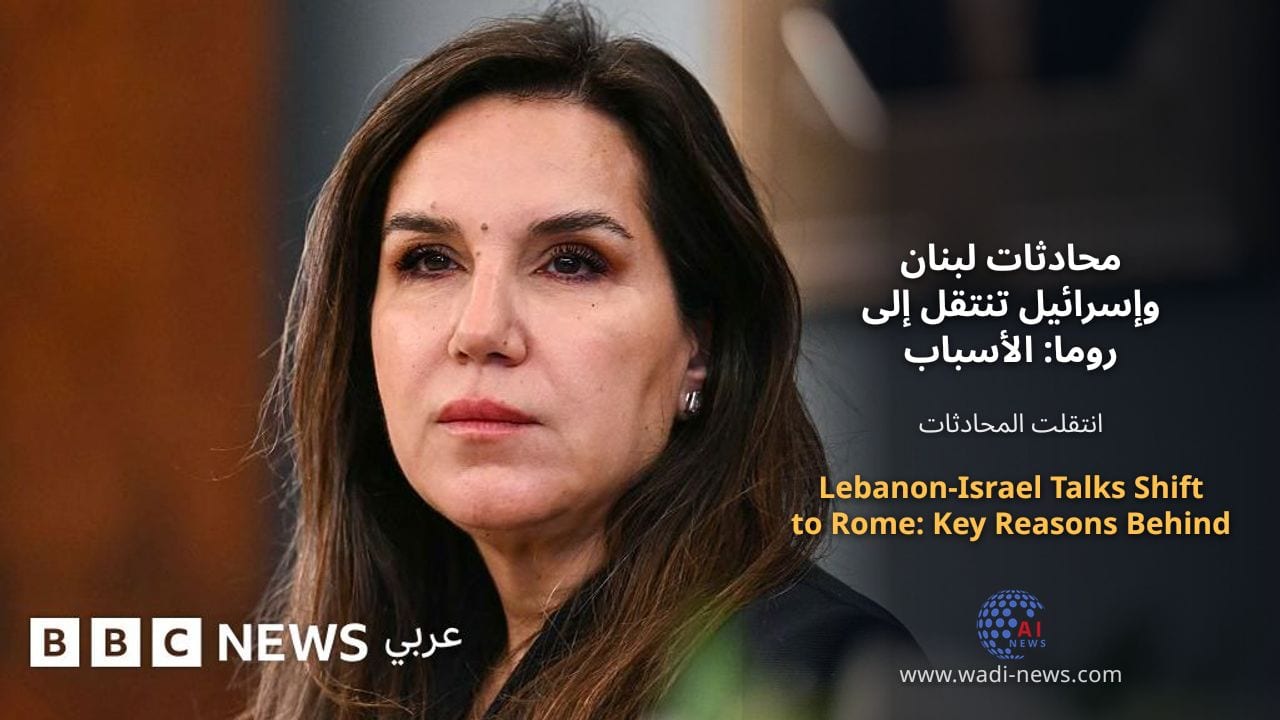
After a series of five rounds held in Washington, the Lebanon-Israel negotiations have transitioned to Rome. This shift raises questions about the motivations behind choosing the Italian capital for such critical discussions. The ongoing talks are centered around significant topics including the Israeli withdrawal, the deployment of the Lebanese army, and the disarmament of Hezbollah. The decision to relocate the discussions may indicate a strategic choice aimed at fostering a more conducive environment for dialogue.
Rome has a historical context of being a neutral ground for international negotiations, which could facilitate a more collaborative atmosphere between the involved parties. The talks in Washington faced various challenges, and moving to Rome might help in alleviating some of the tensions that were evident previously. It remains to be seen how this change of venue will impact the discussions moving forward and whether it will lead to any substantial agreements.
As the talks progress, the focus will likely remain on the withdrawal of Israeli forces from contested areas, which is a critical demand from the Lebanese side. Additionally, the presence and role of the Lebanese army in maintaining stability in the region will be a focal point. The disarmament of Hezbollah is another contentious issue that has been a part of the discussions and will continue to be a major topic as both sides seek to address security concerns.
In conclusion, the relocation of the Lebanon-Israel talks to Rome represents a pivotal moment in the ongoing negotiations. The outcome of these discussions could have significant implications for regional stability and the future of Lebanon-Israel relations. As the parties engage in dialogue, the international community will be watching closely to see how these discussions unfold and what resolutions may emerge from this new setting.