
ADVERTISEMENT
Politics
Russia's Strategy to Engage Western Influencers
In the wake of its full-scale invasion of Ukraine, Russia is exploring new ways to connect with Western audiences, especially after facing media bans across Europe.
Jul 14, 2026, 9:27 AM | 1-2 min read | By Wadi News Editorial Team
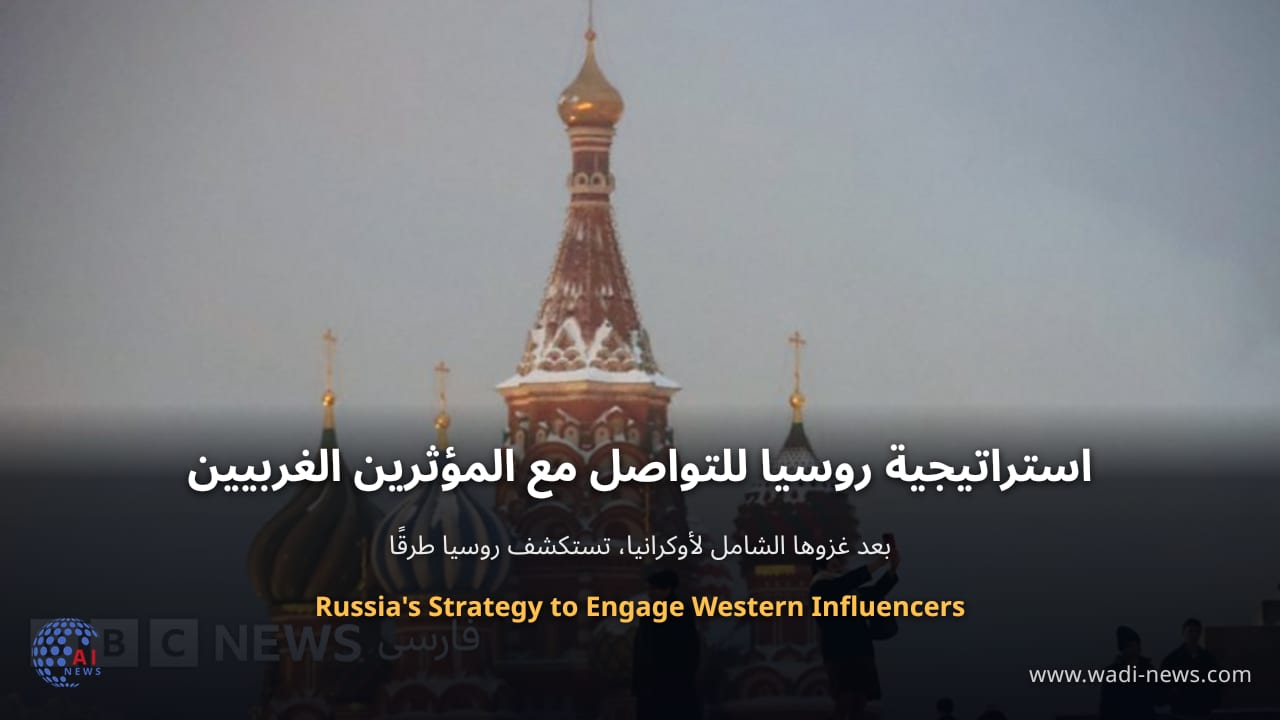
Since the onset of the full-scale invasion of Ukraine in 2022, Russia has been actively seeking innovative methods to communicate with Western audiences. The military action resulted in significant repercussions for Russian media, including the banning of state-sponsored outlets like RT and Sputnik across much of Europe. This has left Russia in a challenging position, as traditional channels of communication have been curtailed, necessitating a shift in strategy.
To adapt, the Kremlin has turned its focus towards Western influencers who can help convey its messages to a broader audience. By engaging these figures, Russia aims to circumvent the restrictions imposed on its state media and establish a more favorable narrative. This approach not only allows for the dissemination of information but also seeks to alter perceptions about Russia in the West. The strategy reflects a calculated effort to regain influence and counteract the negative portrayal it has received in foreign media.
Moreover, the Kremlin's engagement strategy is multifaceted. It involves identifying and collaborating with influencers who have a substantial following and can effectively reach audiences that are often skeptical of mainstream narratives. By leveraging social media platforms and other digital avenues, Russia hopes to amplify its voice and present an alternative perspective on current geopolitical issues.
As the landscape of international communication evolves, Russia's efforts to connect with Western influencers underscore the importance of adapting to new realities. This initiative highlights not only the challenges faced by the Kremlin in light of its recent actions but also the broader implications for information warfare in the digital age. The outcome of these efforts remains to be seen, as the Kremlin navigates a complex web of public opinion and media scrutiny in the West.