
ADVERTISEMENT
Economy
Three Threats to the Liquefied Natural Gas Market Ahead of Winter
The liquefied natural gas market is facing significant challenges as winter approaches, driven by escalating risks of conflict, adverse weather conditions, and supply disruptions.
Jul 12, 2026, 7:40 PM | 1-2 min read | By Wadi News Editorial Team
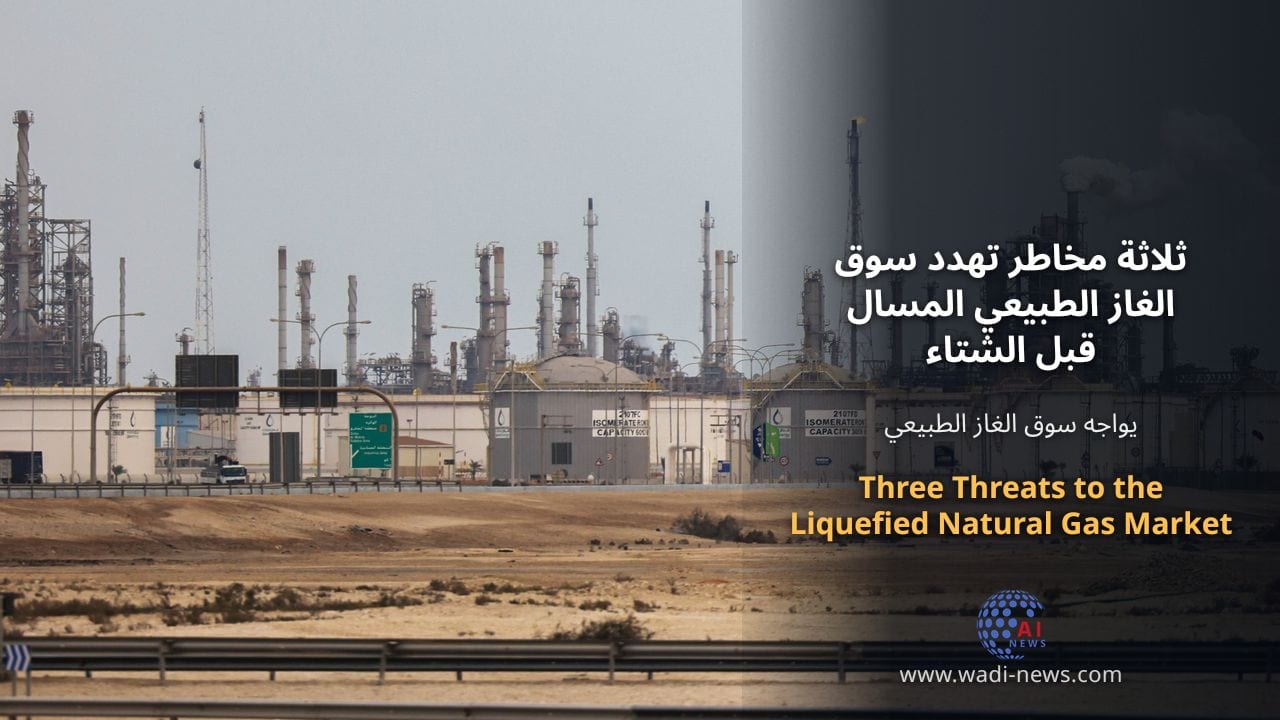
As winter draws near, the liquefied natural gas (LNG) market is bracing for a challenging season. The convergence of rising tensions from geopolitical conflicts, unpredictable weather patterns, and ongoing supply chain disruptions has created a precarious landscape for energy supplies. This situation is further exacerbated by an existing shortage in the market, which has raised concerns about the availability of LNG during the colder months.
The potential for conflict in key gas-producing regions poses a serious threat to global supply. As countries grapple with economic pressures and political instability, the risk of disruptions increases. Analysts warn that any significant escalation in these areas could lead to immediate impacts on LNG availability, driving prices up and complicating procurement for nations heavily reliant on imports.
Moreover, the weather is playing an unpredictable role in the upcoming months. With changing climate patterns, the likelihood of extreme weather events could further strain existing supply chains. This unpredictability makes it difficult for producers and consumers to plan effectively, adding another layer of complexity to an already tense situation.
Lastly, supply chain issues, which have plagued the LNG market in recent months, continue to threaten the stability of supplies. These disruptions can stem from various factors, including logistical challenges and infrastructure limitations. As demand surges, especially in regions that depend on LNG for heating and electricity, the pressure on suppliers intensifies, potentially resulting in shortages during peak demand periods.
In conclusion, the liquefied natural gas market stands at a crossroads as winter approaches. With the combined threats of geopolitical tensions, adverse weather, and ongoing supply chain disruptions, stakeholders must prepare for a potentially volatile season ahead. The focus will need to be on strategic planning and mitigation efforts to navigate these challenges effectively and ensure adequate supplies for consumers during the critical winter months.