
ADVERTISEMENT
Politics
Mojtaba Khamenei Promises Retribution for His Father's Assassination
Iran's supreme leader, Mojtaba Khamenei, has declared his intention to seek revenge for the killing of his father, following a warning from President Trump against any assassination attempts.
Jul 12, 2026, 10:06 AM | 5 min read | By Wadi News Editorial Team
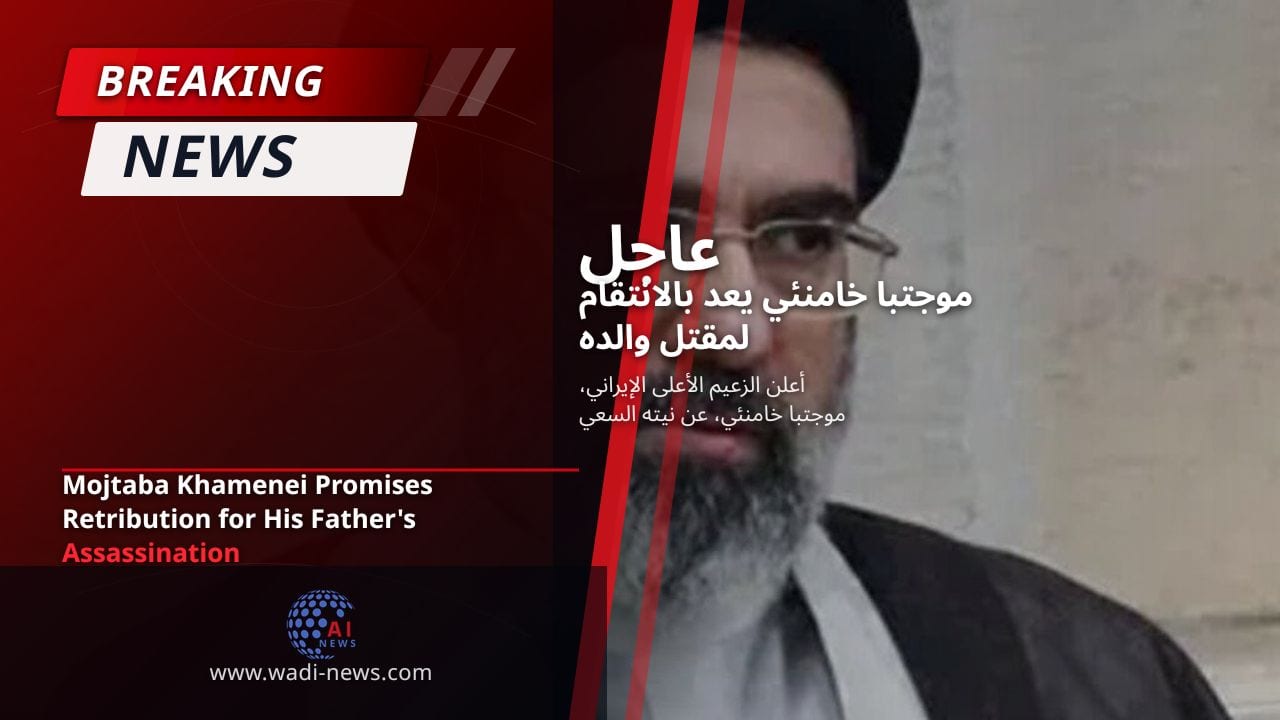
In a fervent declaration made on Saturday, Iran's supreme leader, Mojtaba Khamenei, expressed his determination to avenge the death of his father, who was killed in a US-Israeli operation. This statement comes just hours after President Donald Trump issued a stark warning to Iran, emphasizing that any attempt to assassinate him would not be tolerated. The tension between the US and Iran has escalated following the recent events, with both sides exchanging strong words.
Mojtaba Khamenei's vow for revenge highlights the deep-seated animosity that exists between Iran and the US, which has been compounded by a history of conflict and political strife. His father, a prominent figure in Iranian politics, was assassinated under circumstances that are still generating significant controversy and outrage among Iranian citizens and officials alike. The implications of this assassination are profound, as it not only affects the Khamenei family but also the political landscape of Iran and its relations with other nations.
In his speech, Khamenei emphasized the need for justice, framing his father’s killing as an affront to Iranian dignity and sovereignty. He called upon his supporters to unite in their quest for retribution, signaling a potential escalation in hostilities. The Iranian leadership has historically portrayed itself as a defender of national honor, and this incident is likely to further galvanize public sentiment against perceived external threats.
As the situation develops, international observers are closely monitoring the responses from both Tehran and Washington. The geopolitical ramifications of Khamenei's vow could lead to heightened tensions in an already volatile region. With the backdrop of ongoing conflicts and a fraught diplomatic landscape, the world watches closely to see how this declaration will influence Iran's future actions and its interactions with global powers.
Historical Context of US-Iran Relations
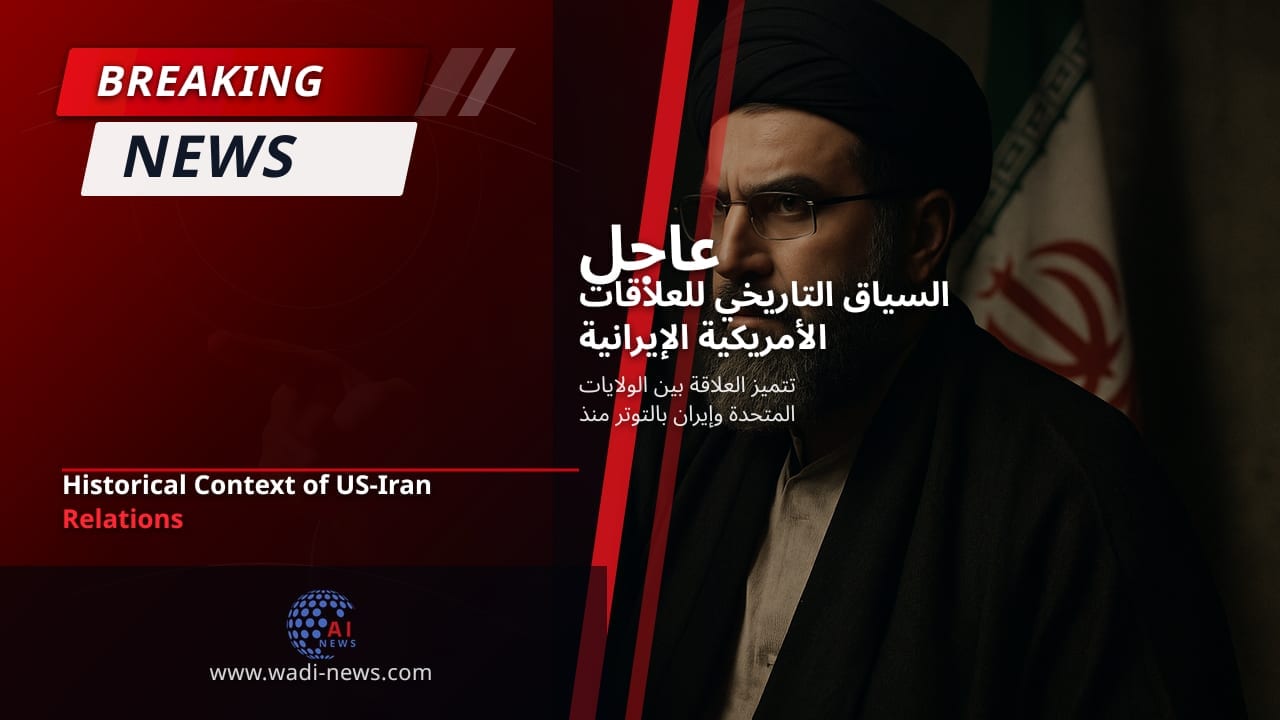
The relationship between the United States and Iran has been fraught with tension since the 1979 Iranian Revolution, which saw the overthrow of the US-backed Shah. This pivotal moment led to the establishment of an Islamic Republic, fundamentally altering the dynamics of the region. Over the years, various incidents, such as the Iran Hostage Crisis and ongoing disputes over nuclear programs, have further strained relations. The assassination of key Iranian figures has often been perceived as acts of aggression, exacerbating the already volatile situation. As both nations navigate their complex history, the potential for conflict remains a significant concern for global stability.
The Role of Leadership in Shaping Policy
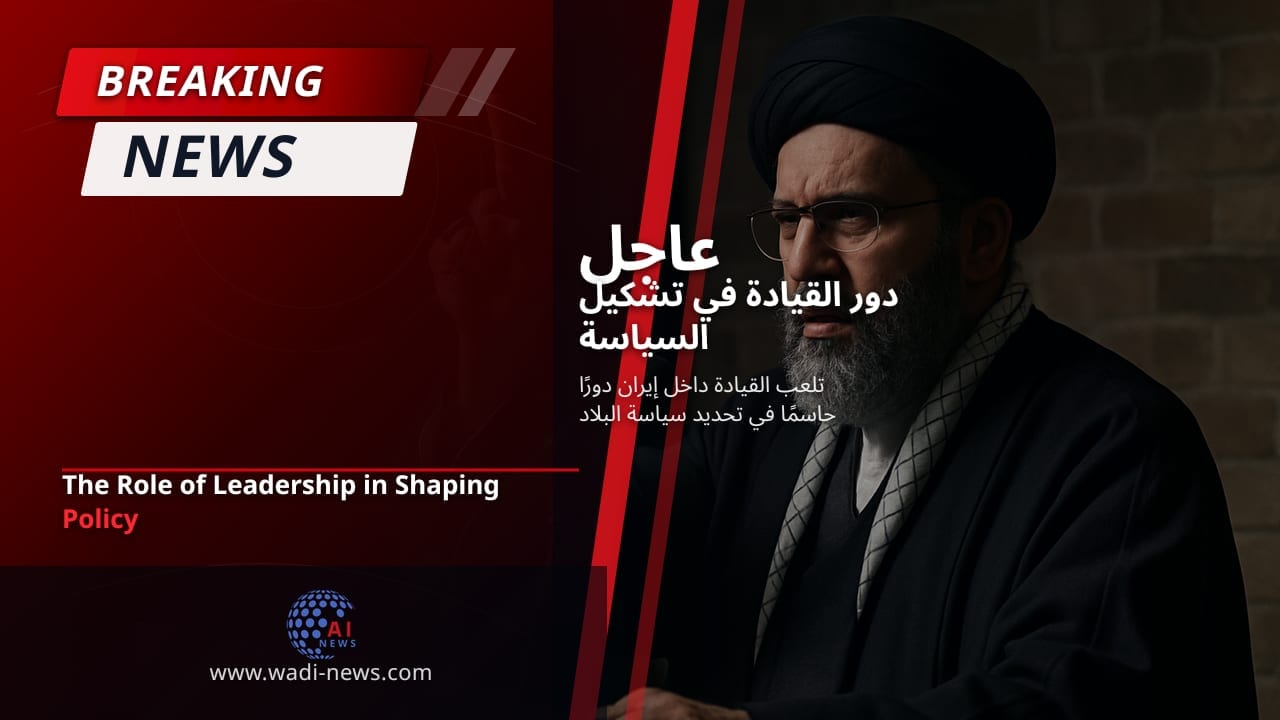
Leadership within Iran plays a crucial role in determining the nation’s foreign policy and responses to external threats. The Supreme Leader, as the highest authority, has significant influence over military and diplomatic decisions. Mojtaba Khamenei's position as the successor to his father places him in a pivotal role, where his actions and rhetoric will likely shape Iran's future engagements on the international stage. As he navigates these challenges, his leadership style and decisions will be critical in either escalating or de-escalating tensions with other powers.