
ADVERTISEMENT
Tech
The Legal Battle Over Creativity in the Age of AI
A growing dispute between creators and AI companies raises questions about the use of copyrighted works in training models, igniting legal battles and discussions on fair use and copyright.
Jul 12, 2026, 10:07 AM | 1-2 min read | By Wadi News Editorial Team
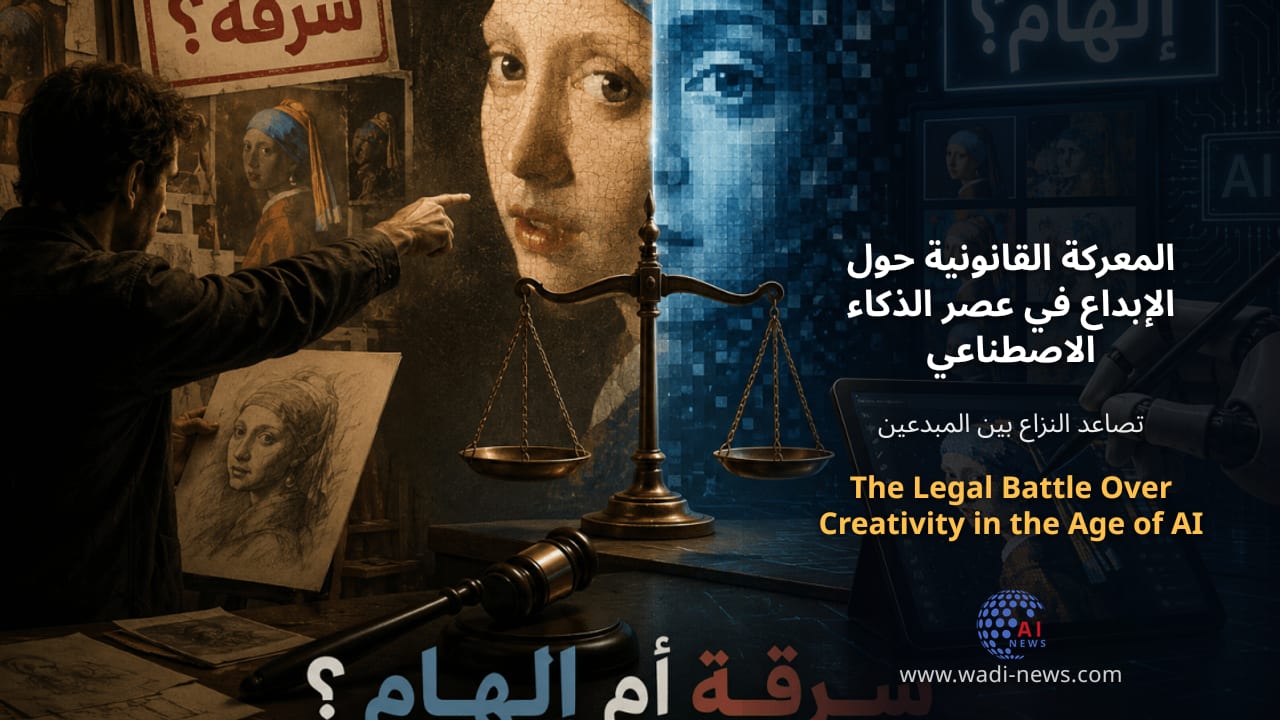
In recent years, the intersection of creativity and artificial intelligence has sparked significant debates among artists, authors, and technology firms. The core of the issue revolves around whether AI can legitimately use copyrighted materials to train its models. This has led to a series of legal disputes that could redefine the landscape of intellectual property rights. At the heart of these discussions is the question of inspiration versus theft: can a machine that learns from existing works truly create something new, or is it merely replicating what it has learned?
The conflict has intensified as more creators come forward, asserting that their original works are being used without permission. These creators argue that the essence of their creativity is being undermined by AI systems that do not acknowledge the source material. As a result, they are pushing for stricter regulations that ensure their rights are protected in an increasingly digital world. The debate has also caught the attention of lawmakers, who are now faced with the challenge of updating copyright laws to address the nuances of AI technology.
Legal experts suggest that the outcome of these battles could have far-reaching implications for both creators and AI developers. If courts decide in favor of the creators, it could establish a precedent that limits the ability of AI companies to freely use copyrighted works. Conversely, a ruling in favor of AI firms could open the floodgates for unregulated use of creative content, potentially stifling innovation in the arts.
As these legal battles unfold, discussions about fair use are becoming more prominent. Advocates for fair use argue that the transformative nature of AI can contribute positively to the creative process, fostering new forms of art and expression. They assert that a balance must be struck between protecting individual creators and allowing technological advancement. This ongoing dialogue raises important questions about the future of creativity in a world increasingly influenced by artificial intelligence.