
ADVERTISEMENT
Economy
UK Places Cloud Service Providers Under Direct Oversight
The UK government has classified cloud service providers for banks as critical third parties, subjecting them to direct oversight.
Jul 11, 2026, 12:07 AM | 1-2 min read | By Wadi News Editorial Team
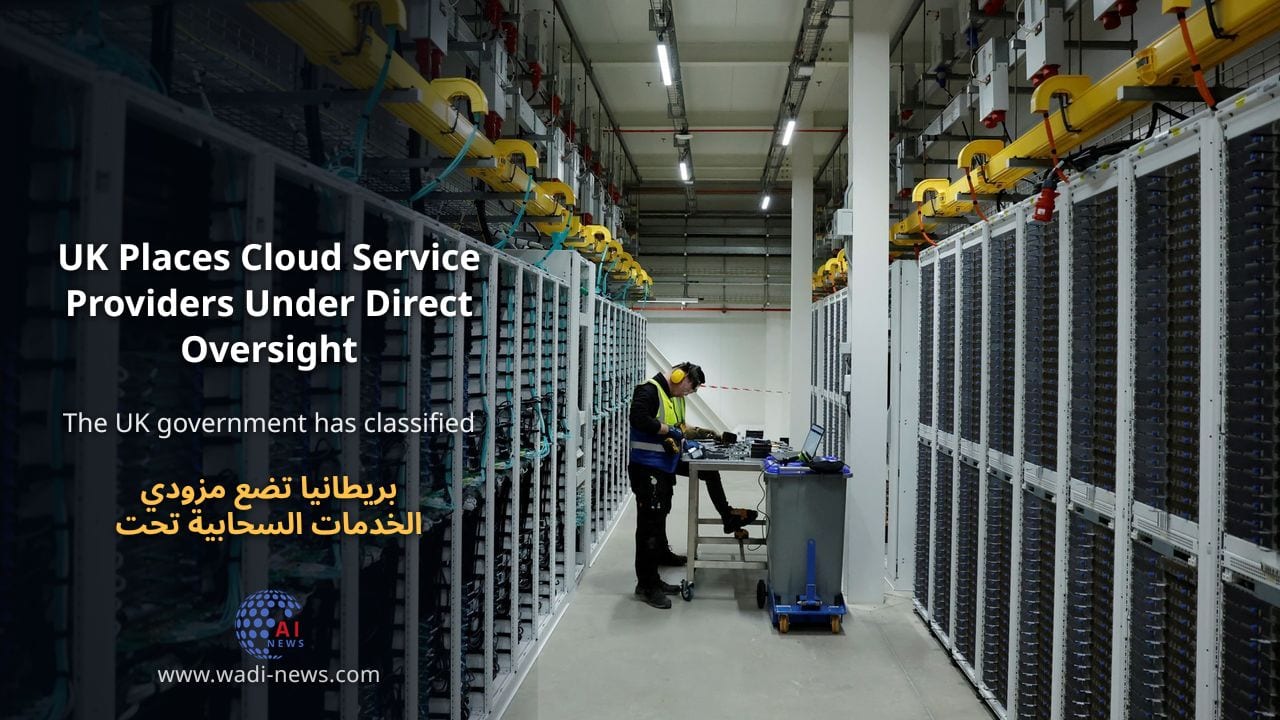
In a significant regulatory move, the UK government has officially designated cloud service providers that cater to banks and other financial institutions as 'critical third parties'. This classification marks a pivotal shift in how these firms will be monitored and regulated. The decision comes in response to growing concerns about the reliability and security of cloud services in the financial sector, especially as more institutions rely heavily on these technologies.
The oversight will be implemented by relevant UK authorities who will now have the power to enforce compliance and ensure that these service providers meet strict operational standards. This is aimed at safeguarding the financial system's integrity and protecting sensitive financial data from potential cybersecurity threats. The UK's initiative reflects a broader trend where governments are increasingly scrutinizing the tech infrastructure that underpins their financial systems.
Experts believe that this move will not only enhance security but also promote greater accountability among cloud service providers. With the financial landscape rapidly evolving, the need for robust regulations has never been more pronounced. As banks continue to migrate to cloud-based solutions, ensuring that these providers adhere to stringent guidelines is essential for maintaining public trust in financial systems.
In conclusion, the UK's decision to enforce direct oversight over cloud service providers represents a proactive approach to managing risks associated with digital transformations in finance. By establishing a regulatory framework, the government aims to fortify the resilience of the banking sector against potential disruptions, thereby ensuring stability in an increasingly digital economy.