
ADVERTISEMENT
Economy
The Transformation of Hormuz into a Testing Ground between the U.S. and Iran
The Strait of Hormuz plays a crucial role in global trade, accounting for approximately 11% of the world's commerce. This strategic waterway has become a focal point for tensions between the United States and Iran.
Jul 10, 2026, 8:47 PM | 1-2 min read | By Wadi News Editorial Team
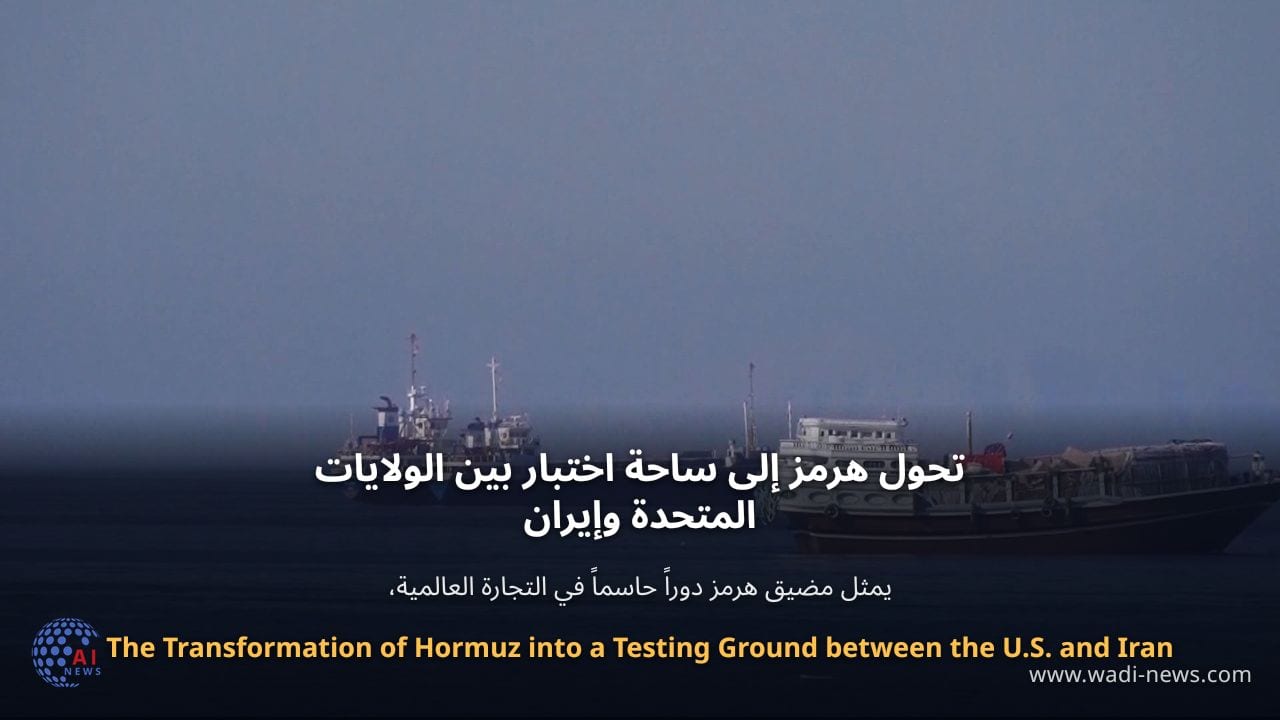
The Strait of Hormuz, situated between Oman and Iran, serves as a vital maritime corridor for international shipping. This narrow passage is not only significant for its geographical location but also for the volume of oil and gas that transits through it. Approximately 11% of the world's oil supply passes through this strait, making it one of the most critical points for global energy security. The strategic importance of the Strait of Hormuz has led to heightened military presence from various nations, particularly the United States, which aims to ensure safe passage for commercial vessels.
In recent years, tensions in the region have escalated, particularly between the U.S. and Iran. The U.S. government has expressed concerns over Iran's military activities and its influence in the Gulf region. Iranian officials, on the other hand, have threatened to block the strait in response to U.S. sanctions and military actions. This ongoing conflict has transformed the Strait of Hormuz into a testing ground for military strategies and diplomatic negotiations. The situation remains fluid, with both sides engaging in maneuvers that could potentially lead to conflict.
The implications of any disruption in the Strait of Hormuz are profound, not just for the countries directly involved but for the global economy as a whole. A significant amount of oil transported through the strait feeds into markets across Europe, Asia, and beyond. Consequently, any hostilities or blockades could result in skyrocketing oil prices, affecting consumers and industries worldwide. The international community watches closely, as the strait's stability is crucial for maintaining economic balance.
As both the U.S. and Iran continue to navigate this complex relationship, the future of the Strait of Hormuz will likely remain uncertain. Diplomatic efforts are essential to de-escalate tensions and ensure that this vital maritime route remains open for trade. The world will be keenly observing how this geopolitical chess game unfolds, as the stakes are extraordinarily high for all parties involved.