
ADVERTISEMENT
Economy
The Silent Financial Drain: How Much Do Food Delivery Apps Cost You Annually?
Food delivery apps have evolved from a convenient service to a significant budget expense, quietly accumulating costs that can reach hundreds or even thousands of dollars each year.
Jul 7, 2026, 3:54 AM | 1-2 min read | By Wadi News Editorial Team
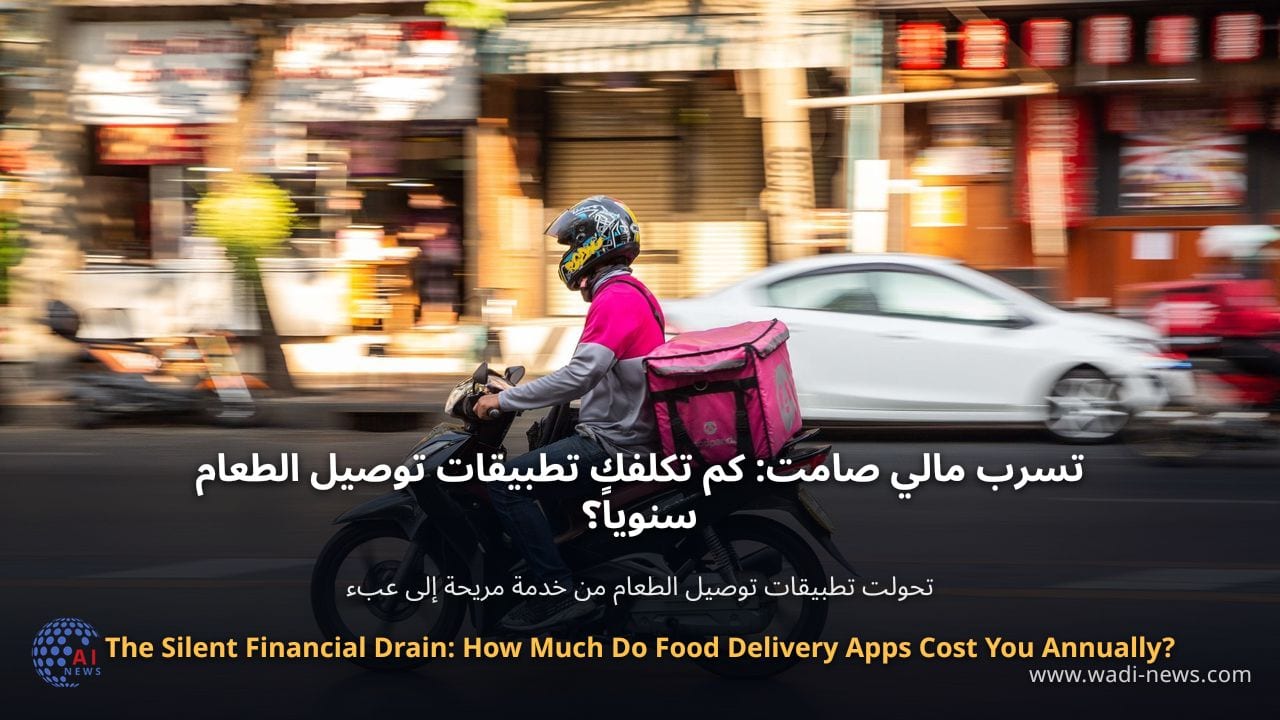
In recent years, food delivery applications have become a staple in many households, providing convenience and ease of access to a variety of dining options. However, a closer examination reveals that these apps may also be contributing to a significant financial burden for consumers. The costs associated with using these services often go unnoticed, leading to a gradual increase in annual spending that can accumulate to substantial amounts. According to recent studies, this trend suggests that families might be spending anywhere from hundreds to thousands of dollars more than they realize each year on food delivery services.
One of the key factors driving up costs is the various fees that these platforms impose. Delivery charges, service fees, and price markups on menu items can add up quickly, often resulting in consumers paying significantly more than they would if they ordered directly from the restaurant. Additionally, promotional offers and discounts can create a false sense of savings, luring customers into a cycle of frequent use that ultimately leads to higher overall expenses. As a result, many users find themselves spending an increasing portion of their budget on food delivery.
The impact of these apps extends beyond individual finances; it also alters consumer behavior and the broader food market. People have become accustomed to the convenience of having meals delivered to their doorsteps, leading to changes in dining habits. As more individuals rely on these services, restaurants may adjust their pricing structures to account for the commission fees charged by delivery platforms, which can further inflate costs for consumers. This shift not only affects household budgets but also contributes to a significant evolution in the food industry landscape.
In conclusion, while food delivery apps offer undeniable convenience, their financial implications warrant careful consideration. Consumers should be aware of the hidden costs associated with these services and evaluate whether the convenience they provide outweighs the potential strain on their budgets. Adopting a more mindful approach to food delivery can help individuals manage their spending and make more informed choices about their dining options.