
ADVERTISEMENT
Tech
Google Prepares to Release 32 Million Genetically Modified Mosquitoes
In an unprecedented move, Google is gearing up to deploy 32 million genetically modified mosquitoes to combat the Aedes aegypti species.
Jul 6, 2026, 6:14 PM | 1-2 min read | By Wadi News Editorial Team
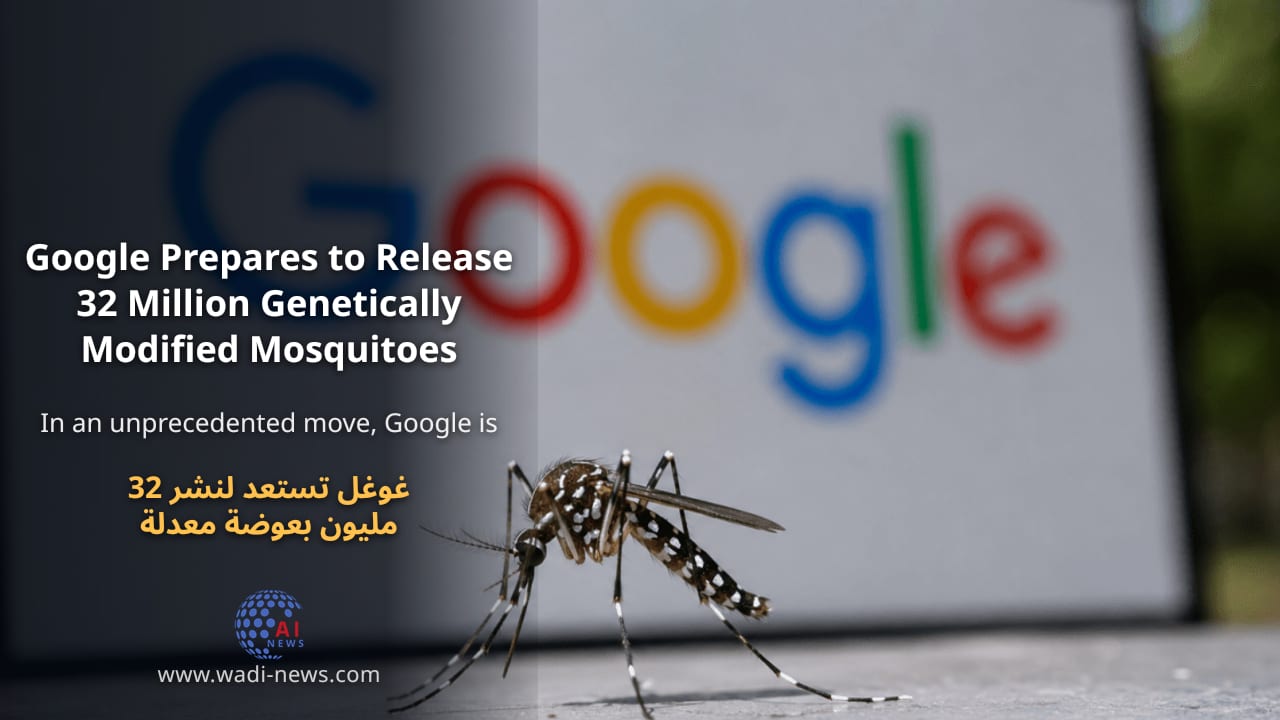
Google is venturing beyond its traditional tech domain as it prepares to release an astonishing 32 million genetically modified mosquitoes. This bold initiative aims to target the Aedes aegypti species, known for spreading diseases such as dengue fever and Zika virus. By using genetic modification, the company hopes to reduce the population of these disease-carrying insects, thereby lowering the incidence of related illnesses in affected areas.
The genetically modified mosquitoes are designed to mate with wild females, resulting in offspring that carry a gene causing them to die before reaching maturity. This method of population control is part of a broader strategy to harness biotechnology in the fight against public health threats. With the rising incidence of mosquito-borne diseases globally, the need for innovative solutions has never been more critical.
The deployment of these modified mosquitoes is set to take place in various regions where the Aedes aegypti is prevalent. Local authorities are expected to collaborate with Google to monitor the effectiveness of this biological intervention. Experts in the field have expressed cautious optimism, highlighting the potential benefits while also raising concerns about ecological impacts and the long-term sustainability of such measures.
As Google embarks on this ambitious project, it underscores a significant shift in how technology companies are engaging with environmental and health issues. This initiative may pave the way for future biotechnology applications in pest control and public health, marking a new chapter in the intersection of technology and ecology. As the world grapples with the consequences of climate change and rising disease threats, such innovative approaches could hold the key to safeguarding communities worldwide.