
ADVERTISEMENT
Tech
Unveiling Medieval Mysteries: AI Decodes Historical Secrets
Artificial intelligence is unlocking centuries-old secrets, including a 400-year-old coded text from the Vatican Library.
Jul 7, 2026, 7:46 AM | 3 min read | By Wadi News Editorial Team
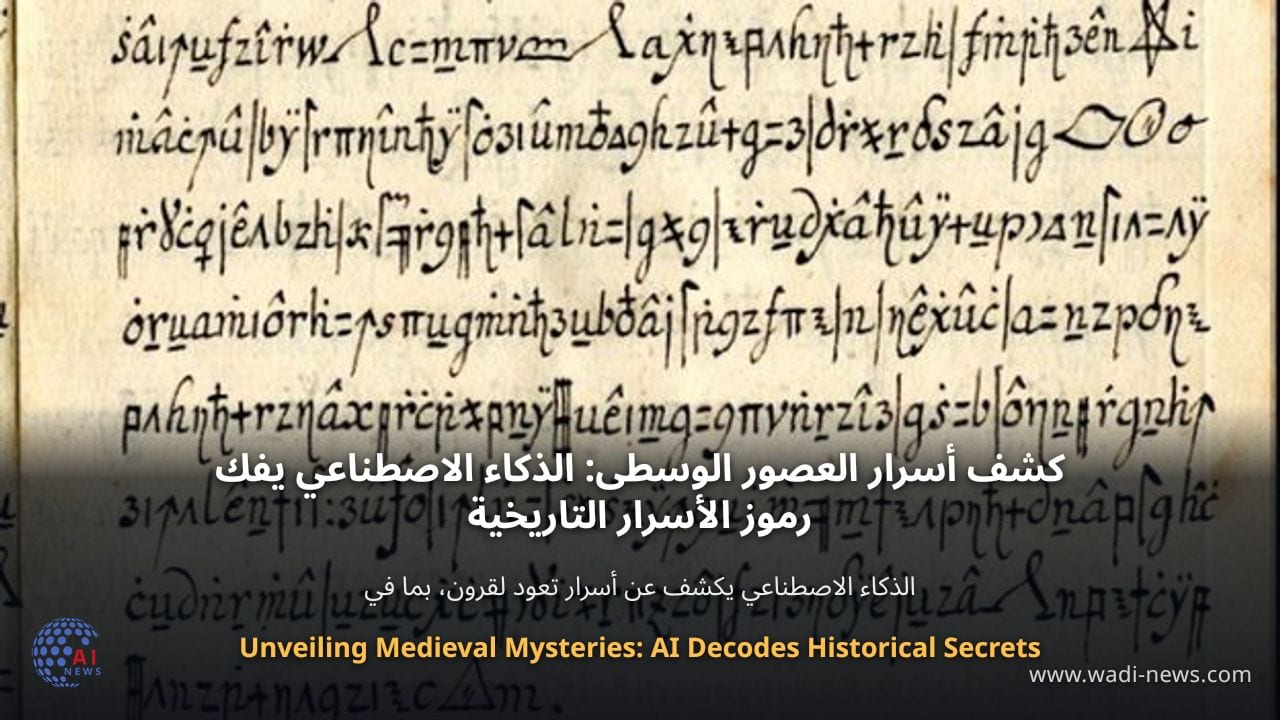
In a remarkable intersection of technology and history, artificial intelligence (AI) is beginning to reveal the secrets hidden within ancient texts. A notable example is a 400-year-old coded manuscript discovered in the Vatican Library, which has recently come under scrutiny by researchers using AI tools. This initiative not only aims to decode the manuscript but also to enhance our understanding of historical communication methods.
The study of historic ciphers has long fascinated scholars, and with modern technology, these ancient puzzles are becoming more accessible. For instance, the Borg cipher is one such example where a straightforward substitution method was used. In this cipher, each symbol corresponds to a specific Roman letter, which makes it relatively easy to decipher when approached with the right algorithms. The potential for AI to assist in this process is profound, opening doors to previously unsolvable mysteries.
In the quest to decode these manuscripts, researchers are employing machine learning techniques that analyze patterns and frequencies within the text. This approach not only speeds up the decoding process but also offers insights into the historical context of the messages. By revealing the contents of these texts, we gain a deeper understanding of the cultural, social, and political dynamics of the time.
The implications of this research extend beyond mere curiosity. Understanding these historical documents can provide clarity on past events, relationships, and the evolution of language. As AI continues to advance, its role in historical research will likely grow, offering scholars new tools to unlock the secrets of our past.
The Role of AI in Historical Research
AI is transforming the landscape of historical research by providing tools that can analyze vast amounts of data quickly and efficiently. By automating the process of deciphering coded texts, researchers can focus on interpretation and understanding rather than getting bogged down in the mechanics of decoding. This shift not only accelerates research timelines but also enhances the accuracy of findings.
The integration of AI into historical studies also fosters collaboration between historians and computer scientists. This interdisciplinary approach leads to innovative solutions and methodologies that can tackle complex problems previously thought insurmountable. As more AI techniques are developed, the potential for uncovering new insights into historical events increases significantly.