
ADVERTISEMENT
Economy
Sick Leave in Germany Reaches New Heights
Germany's sick leave has surged, with workers averaging nearly 20 days off annually, prompting Chancellor Merz to implement measures to address this issue.
Jul 6, 2026, 1:14 AM | 3 min read | By Wadi News Editorial Team
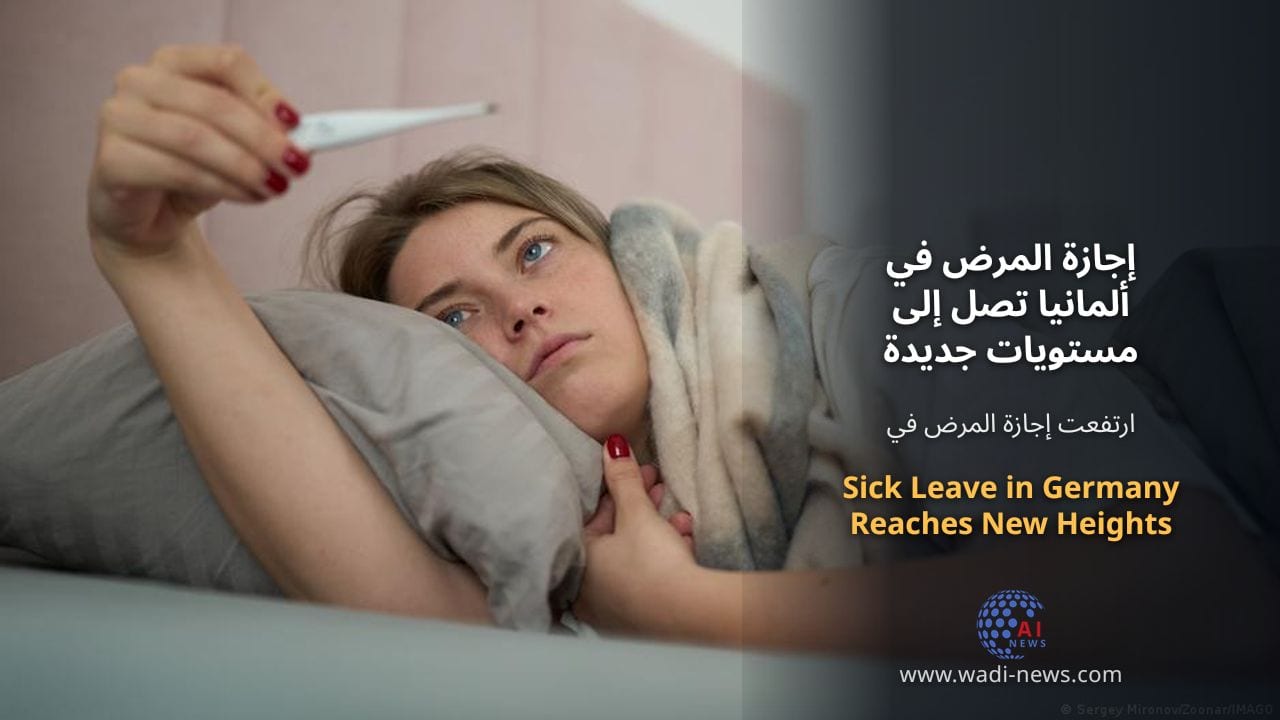
In a concerning trend, sick leave in Germany has reached unprecedented levels, with workers now taking an average of nearly 20 days off each year due to illness. This statistic has raised alarms within the government, prompting Chancellor Friedrich Merz to announce a series of measures aimed at reducing the number of sick days taken by employees. The decision comes on the heels of a report published in January by the IGES Institute, which highlighted the growing trend of absenteeism across the country.
Chancellor Merz’s administration is focusing on strategies to address this issue, as the rising rates of sick leave not only impact productivity but also place a financial strain on the healthcare system. The government is exploring various avenues that could help mitigate these rising figures, including potential reforms in how sick leave is managed within workplaces. This initiative reflects a broader concern regarding the work culture in Germany and how it may contribute to employee absenteeism.
While Germany's sick leave rates are alarming, it is noteworthy that the country does not hold the top position in Europe for absenteeism. Research indicates that several other European nations have higher averages when it comes to sick days, which offers a contrasting perspective on Germany's situation. This comparison raises questions about the effectiveness of workplace policies and the cultural attitudes towards illness and work in different countries.
As the government moves forward with its plans, it will be essential to monitor the impact of these measures on both employee well-being and overall productivity. Balancing the need for a healthy workforce with the operational demands of businesses will be a critical challenge for Chancellor Merz's administration. The outcome of this initiative could set a precedent for how sick leave is perceived and managed in the future, not just in Germany but across Europe.
Government Response to Rising Sick Leave

The German government is taking proactive measures to address the increasing levels of sick leave among its workforce. Chancellor Merz's administration is expected to introduce new regulations that will focus on workplace health and well-being. By promoting a healthier work environment, the government hopes to reduce the number of sick days taken by employees and foster a more productive workforce. This initiative also aims to improve overall employee morale and job satisfaction, which are critical components in reducing absenteeism.