
ADVERTISEMENT
Fun
The Ethical Dilemma of Thomas Jefferson: A Historical Perspective
The legacy of Thomas Jefferson, a key figure in American history, is examined through the moral challenge posed by Thaddeus Kosciuszko, prompting ongoing debate among historians.
Jul 5, 2026, 10:34 PM | 1-2 min read | By Wadi News Editorial Team
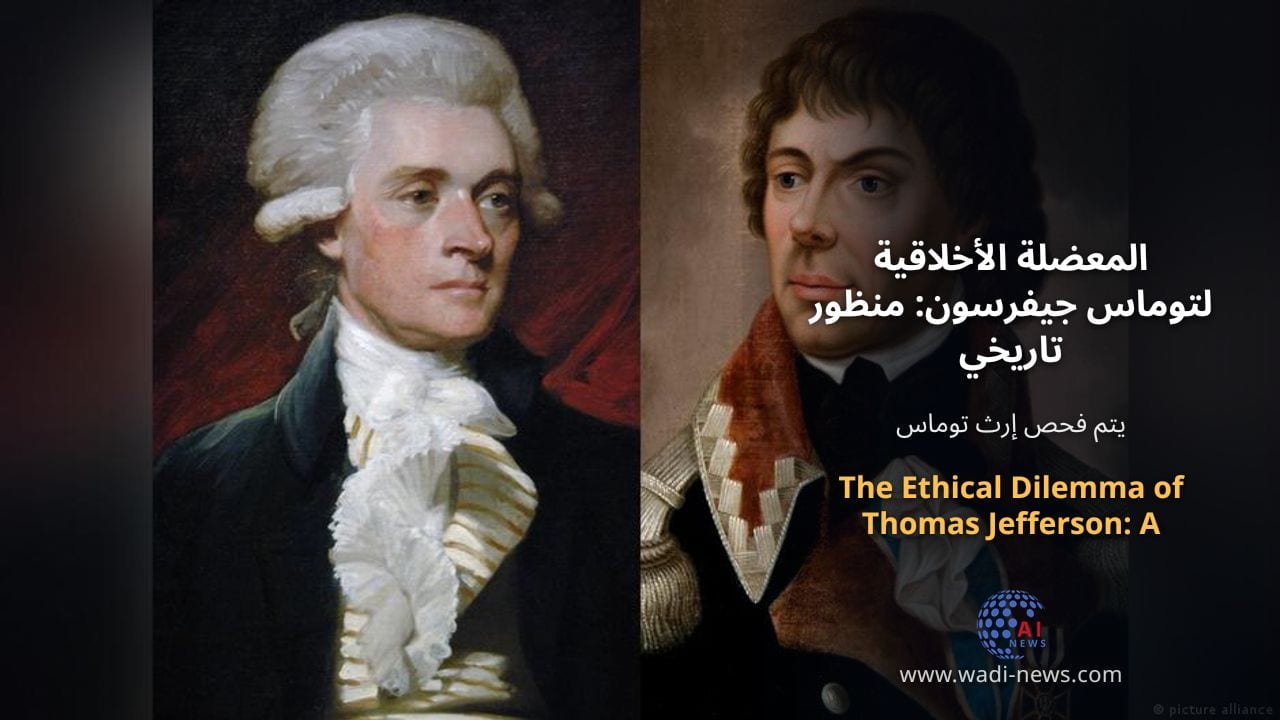
Thomas Jefferson, one of the principal architects of the American Revolution and the third President of the United States, is often celebrated for his contributions to democracy and human rights. However, his legacy is complicated by moral questions that linger in the wake of his actions, particularly regarding slavery. A pivotal moment in this discussion centers around Polish general Thaddeus Kosciuszko, a close associate of Jefferson, who presented him with a significant moral challenge. Kosciuszko, who fought for freedom and equality, left a will that stipulated his estate be used to free and educate enslaved individuals. This request raised questions about Jefferson's commitment to the ideals he championed.
Historians remain divided on whether Jefferson successfully navigated this moral test. Some argue that his failure to act on Kosciuszko's wishes reflects a broader hypocrisy in his public persona. They point to the contradiction between Jefferson's eloquent advocacy for liberty and his personal ownership of slaves. Others, however, suggest that Jefferson's complex circumstances, including his financial struggles and the societal norms of his time, complicate a clear judgment of his character.
The statue of Jefferson in Washington, D.C., serves as a constant reminder of the complexities of his legacy. It stands not only as a tribute to his role in American history but also as a symbol of the ongoing struggle to reconcile the ideals of freedom with the reality of oppression. The discussions surrounding Jefferson and Kosciuszko’s moral test invite deeper reflection on the values we uphold and the historical figures we choose to honor.
As America continues to grapple with its history, the questions posed by Kosciuszko's challenge to Jefferson remain relevant. They compel us to examine not only the actions of our founding fathers but also the enduring implications of their decisions on contemporary society. The debate over Jefferson's legacy is not just an academic exercise; it is a lens through which we can better understand the moral responsibilities of leadership and the impact of historical narratives on our collective identity.