
ADVERTISEMENT
Politics
China's New Ethnic Unity Law: A Controversial Move Towards National Identity
The implementation of China's ethnic unity law has sparked debates about its implications for minority cultures and languages.
Jul 4, 2026, 8:34 PM | 1-2 min read | By Wadi News Editorial Team
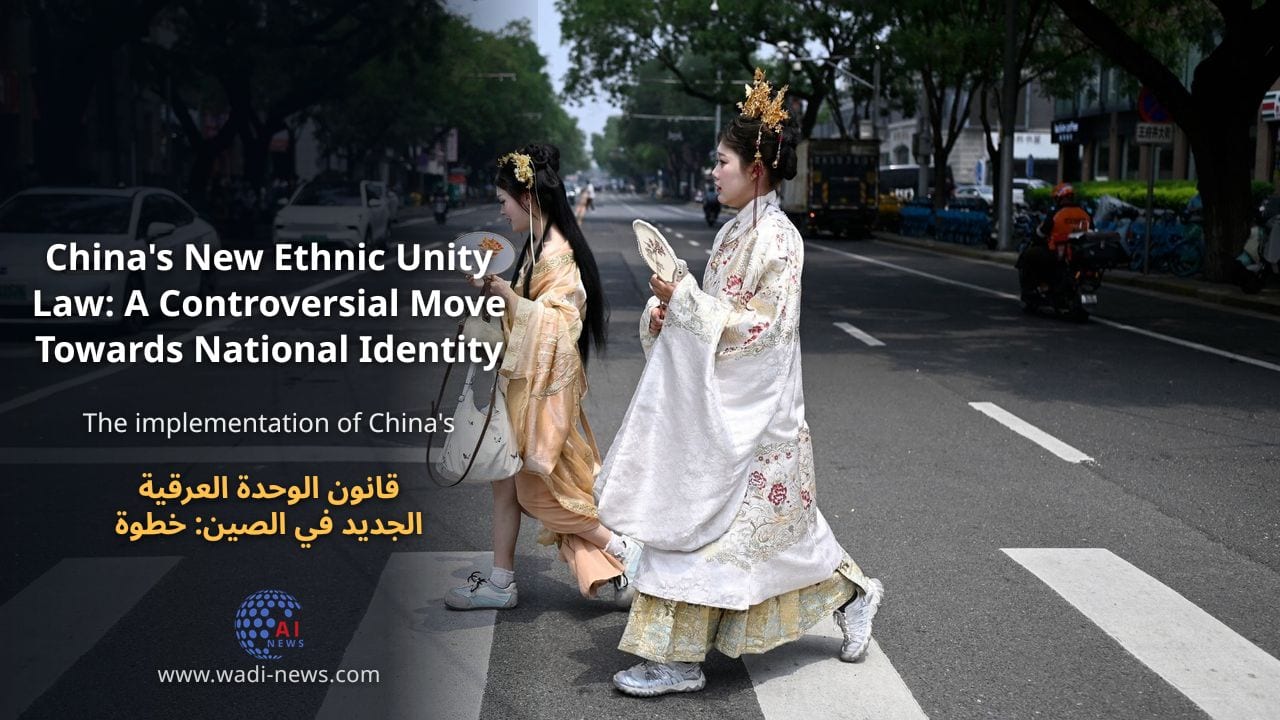
On July 3, 2026, China officially enacted a new ethnic unity law designed to promote a shared national identity among its diverse populations. This legislation emphasizes the use of Mandarin as the primary language in educational institutions and official settings, a move that has raised concerns among ethnic minorities. Critics argue that this law may lead to the erosion of cultural diversity and the forced assimilation of minority groups into the dominant Han Chinese culture.
The government defends the law by asserting that it aims to strengthen national unity and enhance social cohesion. Officials believe that a common language is essential for fostering communication and understanding among the various ethnic groups within China. However, many minority communities see this as an infringement on their rights to preserve their languages and traditions. The law's implementation could significantly impact the cultural landscape, potentially diminishing the rich tapestry of China's ethnic heritage.
The reactions to the law have been mixed. Supporters claim it is a necessary step towards building a more integrated society, while opponents fear that it represents a deeper push towards cultural homogenization. Activists argue that the policy could lead to the marginalization of non-Mandarin speaking populations and further exacerbate tensions between ethnic groups. Historical context adds weight to these concerns, as previous policies have similarly prioritized Han culture over others.
As the law takes effect, the international community is closely monitoring its implications. Human rights organizations have expressed alarm at the potential consequences for minority rights in China. The ongoing dialogue surrounding this legislation highlights the delicate balance between national identity and cultural preservation, a challenge that many multi-ethnic nations face. The future of ethnic relations in China may hinge on how this law is implemented and whether it can coexist with the rich diversity that characterizes the nation.