
ADVERTISEMENT
Tech
The Truth Behind AI: A New Approach Emerging
Advanced AI laboratories are pioneering a new form of artificial intelligence that diverges from existing technologies like ChatGPT. What does this mean for the future of AI?
Jul 4, 2026, 4:14 PM | 1-2 min read | By Wadi News Editorial Team
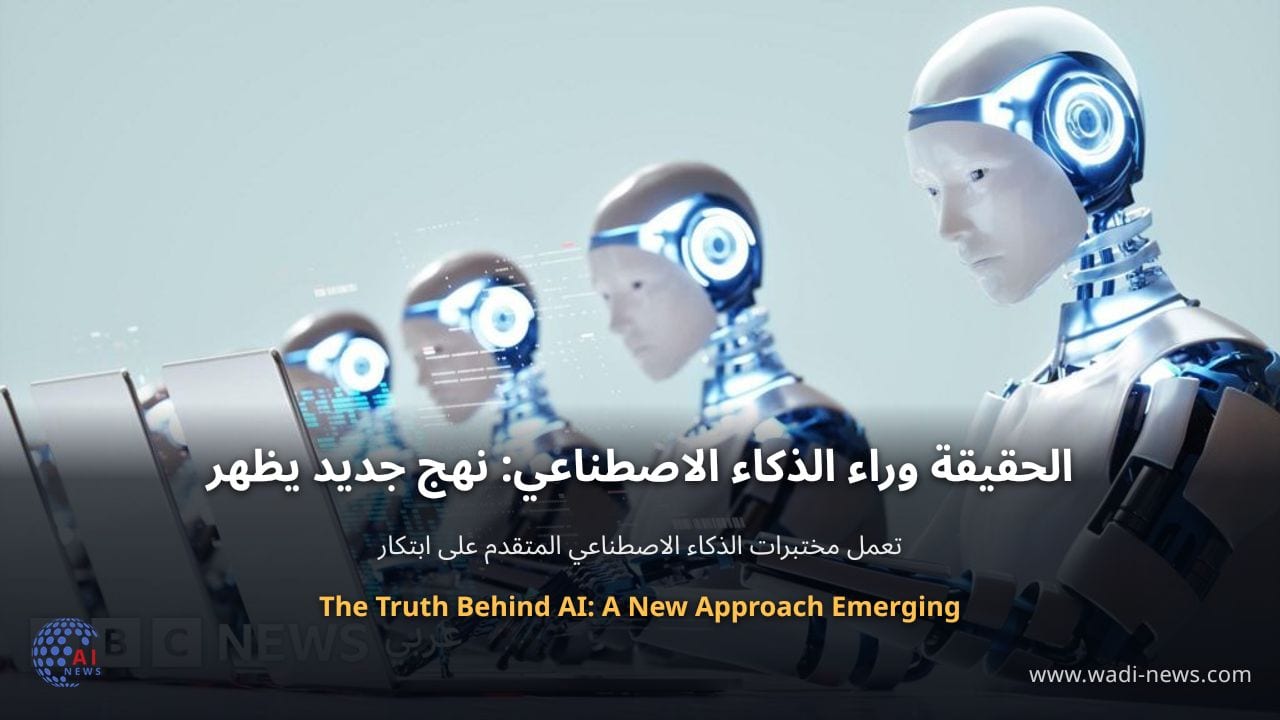
In recent years, artificial intelligence has captured the attention of industries and consumers alike, primarily through tools like ChatGPT. However, a shift is occurring as advanced AI laboratories begin to explore alternatives that break from traditional frameworks. This new direction suggests a significant evolution in how AI can be developed and utilized. Unlike existing models that rely heavily on vast datasets and predefined algorithms, the emerging technologies aim to create systems that can think and learn more autonomously.
Researchers in these laboratories are focusing on creating AI that is not merely reactive but can proactively engage with its environment. This involves developing algorithms that mimic cognitive processes more closely aligned with human reasoning. By moving away from the conventional reliance on existing data, these new systems could potentially offer more innovative solutions across various fields, including healthcare, finance, and education.
The implications of this new approach are profound. If successful, this technology could redefine the capabilities of AI, allowing it to solve complex problems without the limitations posed by its predecessors. Furthermore, as this new form of AI becomes more prevalent, it may lead to significant advancements in automation and efficiency, fundamentally changing the landscape of industries worldwide.
As we look to the future, the question remains: will this new generation of AI live up to its promise, or will it face challenges similar to those that have plagued earlier models? The answer may depend on continued research and development in this exciting field, and how willing stakeholders are to adapt to these emerging technologies.