
ADVERTISEMENT
Economy
Russian Military Setbacks in Ukraine Raise Concerns in Moscow
The Russian military's efforts to secure the remaining parts of eastern Donetsk face significant challenges, with growing fears over the war's toll on troops.
Jul 4, 2026, 3:54 PM | 1-2 min read | By Wadi News Editorial Team
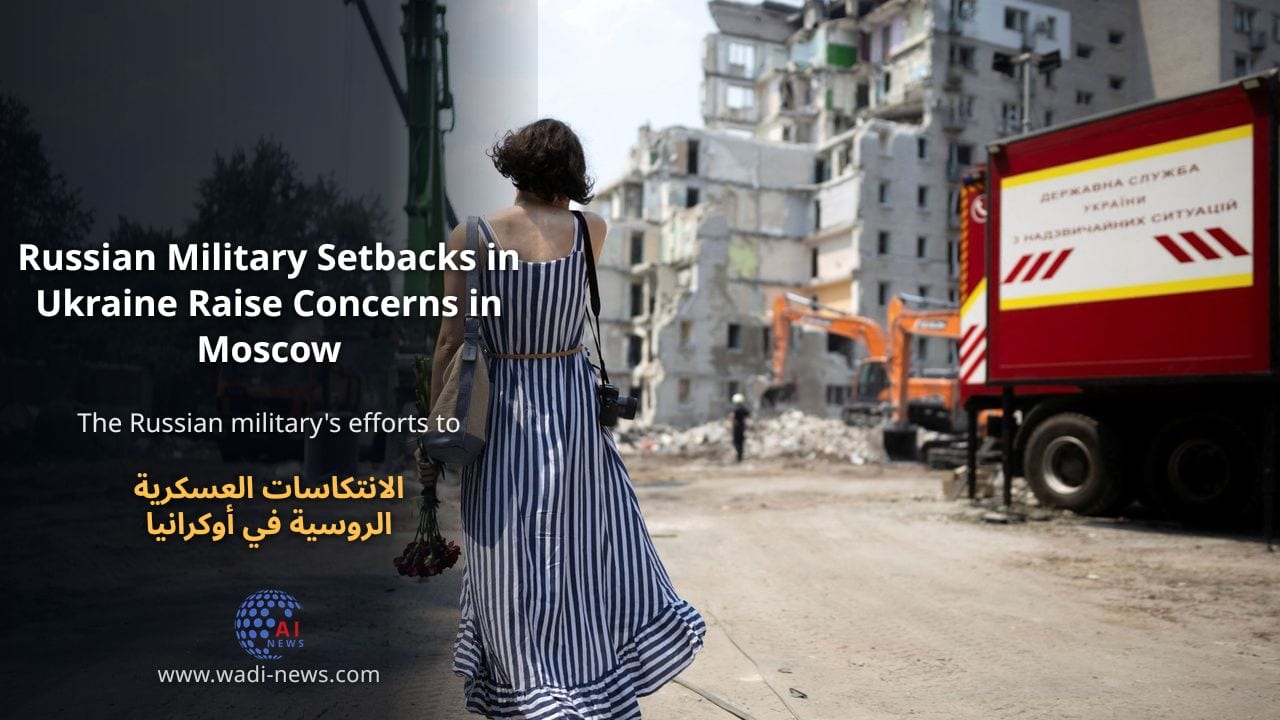
The situation in Ukraine continues to evolve as the Russian military struggles to make significant advances. Recent reports indicate that the armed forces of Russia are now focusing on capturing the last 20 percent of the eastern Donetsk region, which has been partially occupied since the onset of the conflict. However, their attempts have been met with substantial resistance from Ukrainian forces, leading many analysts to question the viability of Russia's military strategy. As the year progresses, the failure to achieve previous objectives has raised alarms within Moscow, with increasing concerns about the high number of casualties among Russian troops, estimated at around 1.4 million since the war began.
The Russian leadership had set ambitious goals for the military campaign, hoping to consolidate control over key territories in Ukraine. Despite these aspirations, the ongoing conflict has proven to be far more complex and deadly than anticipated. Observers note that the Russian military has encountered significant logistical and operational challenges, which have hindered their ability to secure victories on the battlefield. This has led to a growing sense of anxiety among military planners and political leaders in Moscow, who fear that the continued losses could undermine public support for the war.
Moreover, the psychological impact of these setbacks is palpable within the ranks of the Russian armed forces. Soldiers are reportedly demoralized by the high casualty rates and the lack of clear progress in their mission. This situation is compounded by the harsh realities of warfare, where the toll on human life becomes increasingly difficult to justify. As the conflict drags on, the Russian government faces mounting pressure to explain its military strategy and the sacrifices being made by its troops.
In conclusion, the Russian military's current predicament in Ukraine underscores the complexities of modern warfare and the unpredictable nature of conflict. The goal of capturing the remaining territory in eastern Donetsk is fraught with difficulties, and the rising anxiety in Moscow reflects a broader concern about the sustainability of the war effort. As the year unfolds, all eyes will be on how the situation develops and what it means for both Russian and Ukrainian forces moving forward.