
ADVERTISEMENT
Politics
AfD's Policies Pose Risks to Eastern Germany's Energy Future
The right-wing AfD party aims to reinstate coal and nuclear energy, raising concerns among businesses in eastern Germany about the potential economic repercussions.
Jul 7, 2026, 8:07 AM | 3 min read | By Wadi News Editorial Team
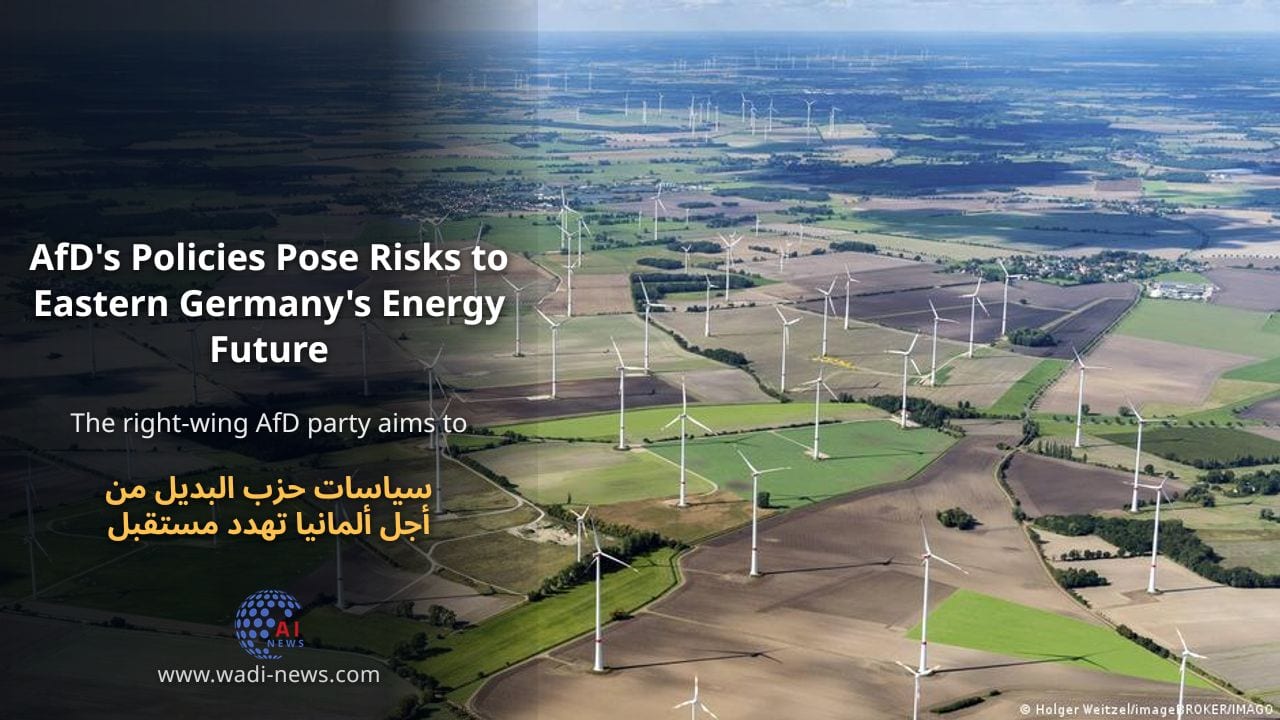
In recent developments, the right-wing Alternative for Germany (AfD) party has announced its intentions to revive coal and nuclear energy sources, which has sparked significant concern among business leaders in eastern Germany. The party's approach to energy policy is seen as a direct challenge to the ongoing energy transition in the region, which has been increasingly focused on renewable energy sources such as wind and solar power. Hannes Loth, the first full-time mayor from the AfD, drives an electric vehicle and has plans to install wind turbines in his municipality, highlighting a contradiction within the party's broader energy strategy.
As the AfD pushes for a return to traditional energy sources, many local businesses fear that such a shift could hinder economic growth and innovation. The emphasis on coal and nuclear power could deter investments in renewable energy projects that have the potential to create jobs and stimulate the local economy. Business leaders argue that the region's future relies on sustainable energy solutions, and reverting to outdated technologies could have long-term negative consequences.
Moreover, the AfD's stance on immigration is also under scrutiny, as the party seeks to limit non-EU immigration. This policy could further complicate the region's demographic challenges, which require a diverse workforce to support its economic ambitions. The intersection of energy policy and immigration reflects broader societal tensions, as communities grapple with the implications of these political decisions.
In conclusion, the AfD's aggressive push to reinstate coal and nuclear energy poses significant risks to the energy transition in eastern Germany. The potential economic repercussions of such policies are prompting a strong backlash from business leaders who advocate for a focus on renewable energy. As the political landscape evolves, the future of energy in the region remains uncertain, but the emphasis must be on sustainable solutions that ensure both economic growth and environmental responsibility.
Local Responses to AfD's Energy Policies

Local responses to the AfD's proposed energy policies have been mixed, with some expressing support for a return to traditional energy sources citing energy security concerns. However, the majority of residents and local business owners advocate for a continued investment in renewable energy, emphasizing the importance of transitioning away from fossil fuels. Community forums have been organized to discuss these issues, showcasing the local commitment to sustainable development despite the political challenges posed by the AfD's agenda.