
ADVERTISEMENT
Politics
Impact of TPS Termination on Haitian Caregivers in the US
The recent Supreme Court ruling has significant implications for Haitian immigrants in the US, particularly those involved in healthcare. As Temporary Protected Status ends, concerns arise about potential gaps in caregiving.
Jul 4, 2026, 12:34 AM | 1-2 min read | By Wadi News Editorial Team
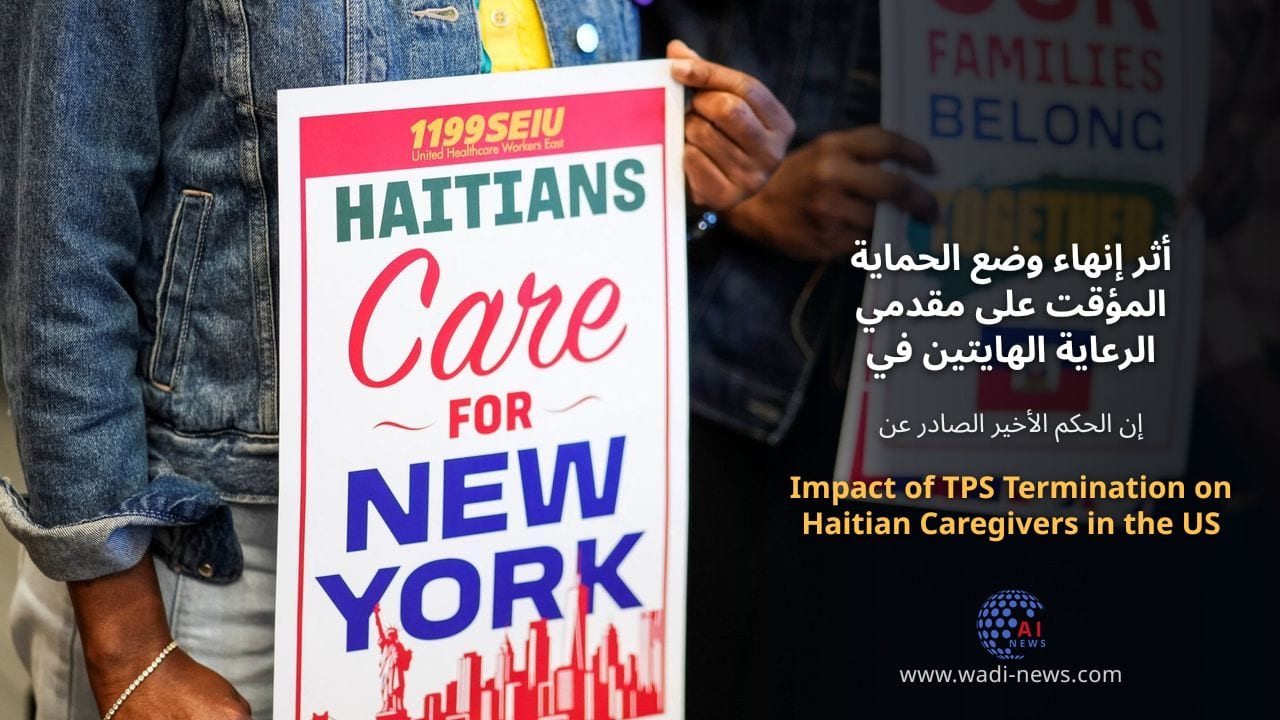
On June 25, 2026, the United States Supreme Court delivered a pivotal ruling that permits the Trump administration to terminate Temporary Protected Status (TPS) for Haitian nationals. This decision is poised to significantly impact the lives of many Haitians residing in the United States, particularly those who have found employment in the healthcare sector. TPS has provided essential protection to individuals from countries experiencing crises, allowing them to live and work legally in the US. The end of this status raises urgent questions about the future of these individuals and the potential consequences for the healthcare industry.
Haitian immigrants have historically played a crucial role in the US healthcare system, with a notable percentage working as caregivers, nurses, and support staff in various medical facilities. According to recent studies, immigrants under TPS represent approximately 15% of the noncitizen workforce in healthcare roles. This demographic is not only vital for maintaining the current healthcare infrastructure but is also essential for meeting the growing demand for medical services, especially as the population ages and the need for caregivers increases.
With the end of TPS, many Haitian immigrants may face deportation or the inability to secure stable employment. This situation could lead to a significant labor shortage in the healthcare sector, exacerbating an already critical issue in the United States. The potential loss of these skilled workers may hinder the ability of healthcare providers to deliver necessary services, ultimately affecting patient care and public health outcomes.
The implications of this ruling extend beyond the immediate concerns of employment and immigration status. It raises broader questions about the treatment of immigrant workers and the responsibilities of the US government towards those who contribute to society. As discussions around immigration reform continue, the fate of Haitian TPS recipients serves as a pressing reminder of the complexities surrounding immigration policy and its far-reaching effects on communities and sectors reliant on immigrant labor.