
ADVERTISEMENT
Fun
China Implements New Ethnic Unity Law Amid Concerns for Minorities
The new law in China has raised alarms among human rights advocates who fear it may lead to increased assimilation efforts and suppression of dissent.
Jul 4, 2026, 12:39 AM | 3 min read | By Wadi News Editorial Team
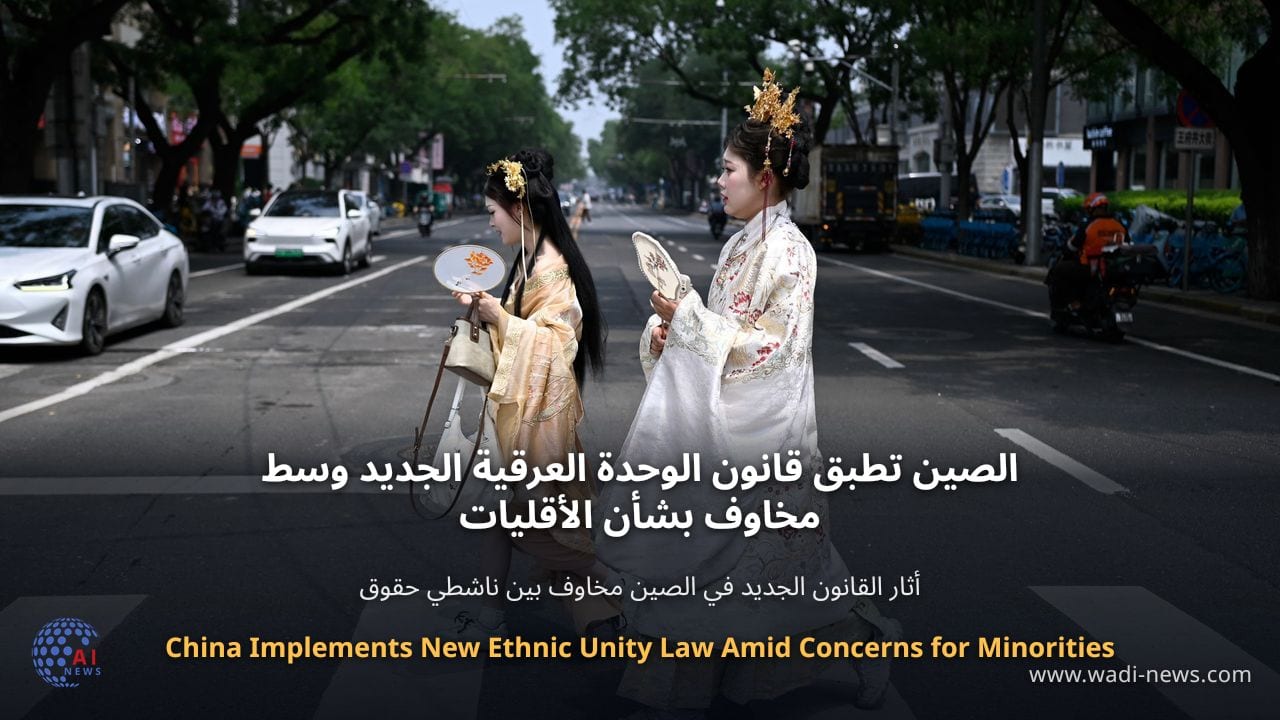
Recently, China has enacted a new ethnic unity law that has sparked significant concern both domestically and internationally. Human rights organizations and foreign officials have voiced their apprehensions, suggesting that this legislation could exacerbate the forced assimilation of ethnic minorities within the country. Critics argue that the law may not only affect the cultural identities of these groups but also target dissenting voices, particularly those who speak out against the government’s policies.
The law is part of a broader initiative by the Chinese government to promote national unity, which has often been interpreted as a push towards homogenization of diverse ethnic identities. This initiative has been met with resistance from various minority communities who fear losing their distinct cultures and languages. Advocates for these groups argue that the law may further marginalize them, leading to a loss of heritage and identity over time.
In response to these criticisms, the Chinese government has firmly rejected allegations that the law is intended to suppress ethnic diversity. Officials claim that the legislation aims to foster a sense of belonging and national pride among all citizens, regardless of their ethnic backgrounds. However, many remain skeptical of these assurances, pointing to past incidents where similar policies have led to increased surveillance and repression of minority populations.
As the implementation of the law unfolds, its impact on minority communities will be closely monitored by both local and international observers. The consequences of such legal changes could have far-reaching effects, not only within China but also in how the country interacts with the global community regarding human rights and cultural preservation. Stakeholders are urged to remain vigilant as the situation develops, advocating for the protection of minority rights and cultural diversity in the face of state-led homogenization efforts.
Implications of the Law

The implications of the new ethnic unity law are profound and multifaceted. It raises questions about the future of ethnic minorities in China and the potential erosion of their rights. Observers worry that the law may serve as a tool for the government to justify increased surveillance and control over these communities. Additionally, there are concerns that the law could lead to a rise in tensions between the state and minority groups, as dissent may be met with harsher penalties and repression.
Internationally, the law has prompted reactions from various governments and organizations advocating for human rights. Many are calling for a reevaluation of diplomatic relations with China, urging the international community to hold the government accountable for its treatment of minorities. The situation presents a critical juncture for China's foreign relations, particularly as it seeks to project a favorable image on the global stage while facing accusations of human rights abuses.
Furthermore, the law may impact China's internal social fabric, as it could foster resentment among minority communities. This resentment might manifest in various forms, including protests and calls for greater autonomy. The Chinese government will need to navigate these challenges carefully to maintain social stability and address the concerns of its diverse population.