
ADVERTISEMENT
Politics
US Train Travel Sees Resurgence Amid Rising Costs
With rising gas prices and costly flights, many Americans are turning to train travel, yet the infrastructure is primarily designed for freight, not passengers.
Jul 3, 2026, 7:54 AM | 3 min read | By Wadi News Editorial Team
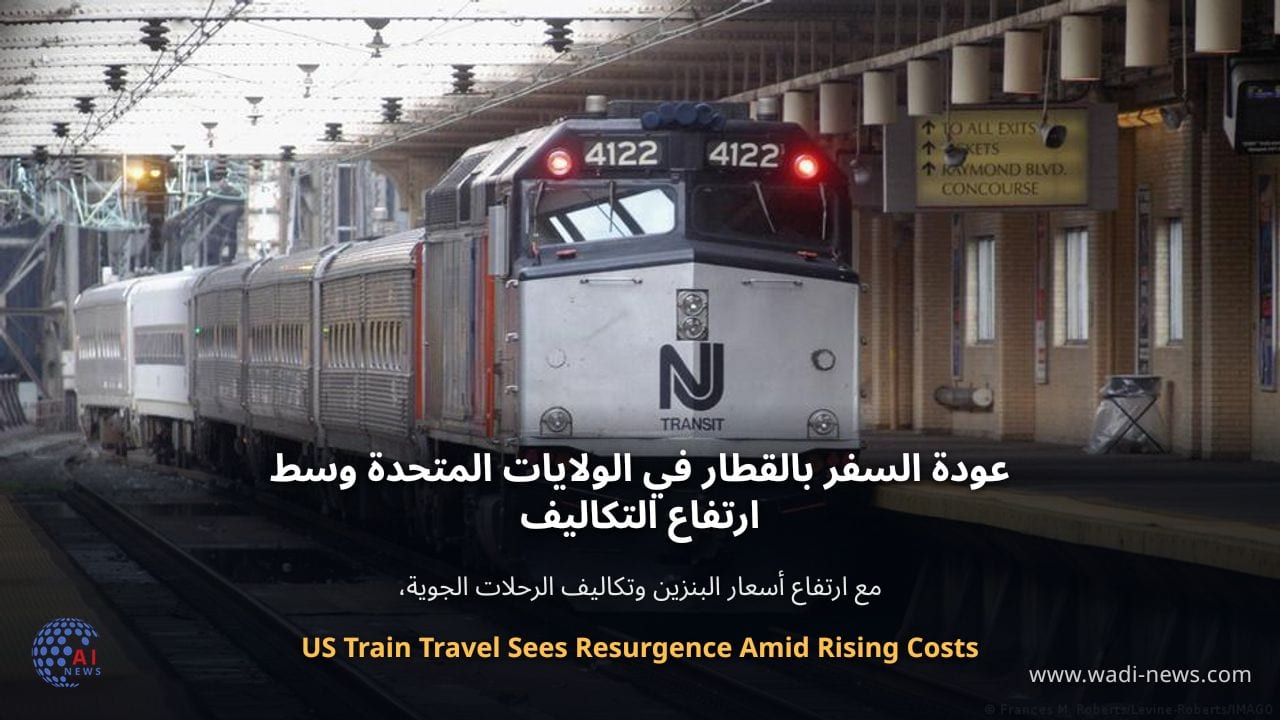
In recent years, the landscape of transportation in the United States has shifted significantly as Americans are increasingly opting for train travel. This trend has emerged in response to fluctuating gas prices and the soaring costs associated with air travel. Passenger numbers have reached unprecedented levels over the past two years, marking a noteworthy revival in a mode of transport that has long been overshadowed by cars and planes. However, the current rail system, which was primarily developed for freight transport, poses challenges for accommodating the growing number of travelers.
Despite the increased interest in train travel, the infrastructure improvements lag behind the demand. Many rail lines are still designed with freight in mind, resulting in limited routes and infrequent service for passenger trains. This mismatch has left travelers frustrated, as they find themselves navigating a system that does not fully support their needs. The lack of investment in passenger rail services means that while more people are choosing trains, they are often met with delays and outdated facilities.
Furthermore, the economic landscape plays a significant role in this resurgence. With the cost of aviation fuel remaining high and gas prices fluctuating, trains present a more economical option for many. This shift is not just about saving money; it also reflects a growing awareness of the environmental impact of transportation choices. Trains are generally considered a more sustainable option compared to cars and planes, leading to an increase in passengers who are environmentally conscious.
In conclusion, while the revival of train travel in the United States is a positive development amid rising transportation costs, significant challenges remain. The infrastructure must evolve to meet the needs of a burgeoning passenger base. Without substantial investment and modernization of the rail system, the potential of train travel may remain underutilized, leaving many Americans to continue relying on cars and planes for their travel needs.
Challenges Facing the Rail System

The rail system in the United States faces several obstacles that hinder its ability to serve passengers effectively. One major issue is the aging infrastructure, which has not seen significant upgrades in decades. This results in slower travel times and less reliability compared to other modes of transportation. Additionally, the lack of coordination between freight and passenger services complicates scheduling and can lead to delays. Many travelers find that they must navigate a complex web of connections and transfers, which can be daunting. Addressing these issues will be critical for the future success of train travel as a viable alternative to cars and planes.