
ADVERTISEMENT
Politics
Israeli Opposition Signals Shift in Foreign Policy Approach
At the Herzliya Conference, Israeli opposition leaders outlined their foreign policy strategies, showing a change in style but maintaining core principles.
Jul 3, 2026, 1:14 AM | 1-2 min read | By Wadi News Editorial Team
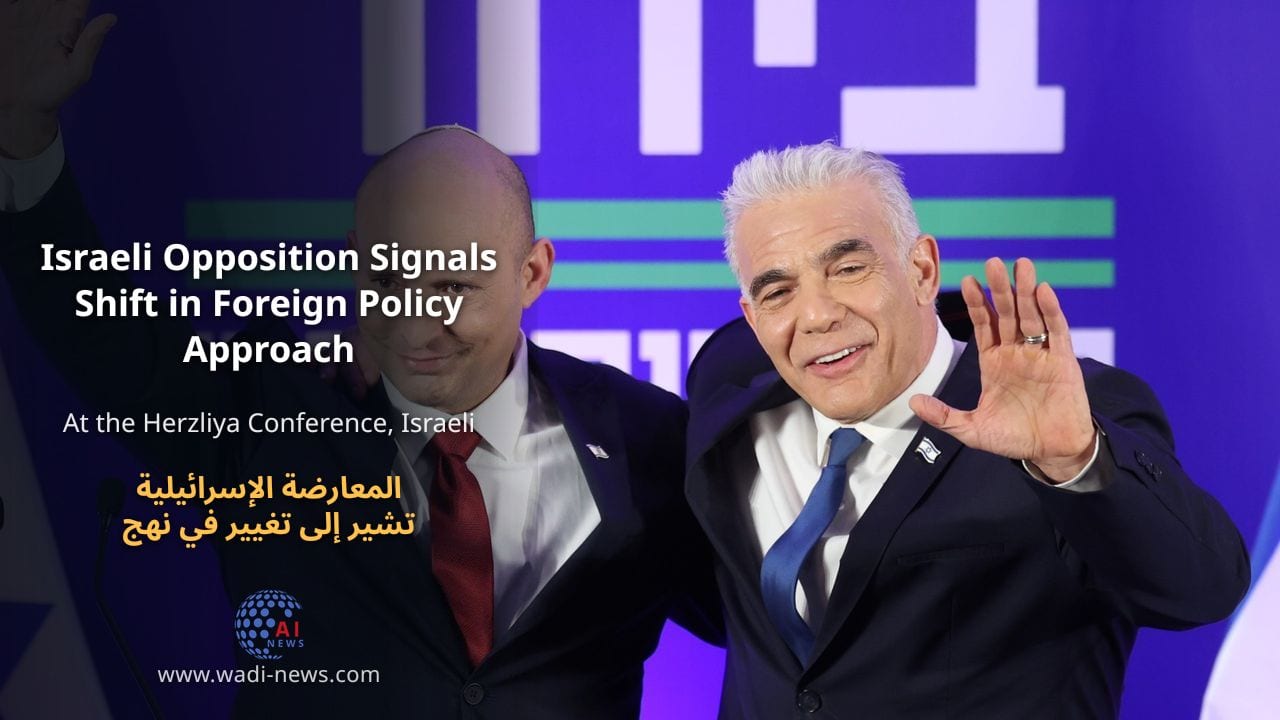
During the recent Herzliya Conference, a prominent event in Israel's political landscape, leading figures from the opposition took the opportunity to articulate their visions for the nation's foreign policy. While they criticized the methods employed by Prime Minister Netanyahu, they were careful not to oppose his overarching goals. Analysts observed that while the opposition's rhetoric suggested a shift in style, the fundamental substance of their foreign policy remained largely unchanged. This nuanced approach appears to be a strategic decision aimed at capturing the electorate's support without alienating those who favor continuity in Israel's international stance.
The Herzliya Conference, known for attracting influential politicians and thought leaders, provided a platform for opposition leaders to present their critiques of the current administration's foreign policy. They emphasized the need for a more diplomatic and less confrontational approach to international relations. However, despite their calls for reform, these leaders recognized that challenging the core tenets of Netanyahu's policies could backfire, particularly among voters who prioritize national security and strong alliances.
As the opposition navigates this delicate balance, they have begun to outline alternative strategies that focus on enhancing Israel's global standing while advocating for peace and stability in the region. This includes fostering better relationships with neighboring countries and engaging in more constructive dialogues with international partners. The opposition's proposals aim to resonate with a broader audience, appealing to those who seek change yet value Israel's established foreign policy frameworks.
In conclusion, the discussions at the Herzliya Conference signal a pivotal moment for the Israeli opposition as they seek to redefine their foreign policy narrative. While their approach may appear to shift in style, the essence of their policy proposals still aligns closely with the mainstream political landscape. This careful positioning could prove vital as they prepare for future electoral challenges, aiming to present themselves as both change agents and responsible stewards of Israel's foreign relations.