
ADVERTISEMENT
Fun
Sony to Cease Production of PlayStation Game Discs by 2028
Sony is set to stop manufacturing physical game discs for PlayStation, transitioning entirely to digital formats. This shift marks the end of an era for physical game ownership.
Jul 2, 2026, 9:14 PM | 1-2 min read | By Wadi News Editorial Team
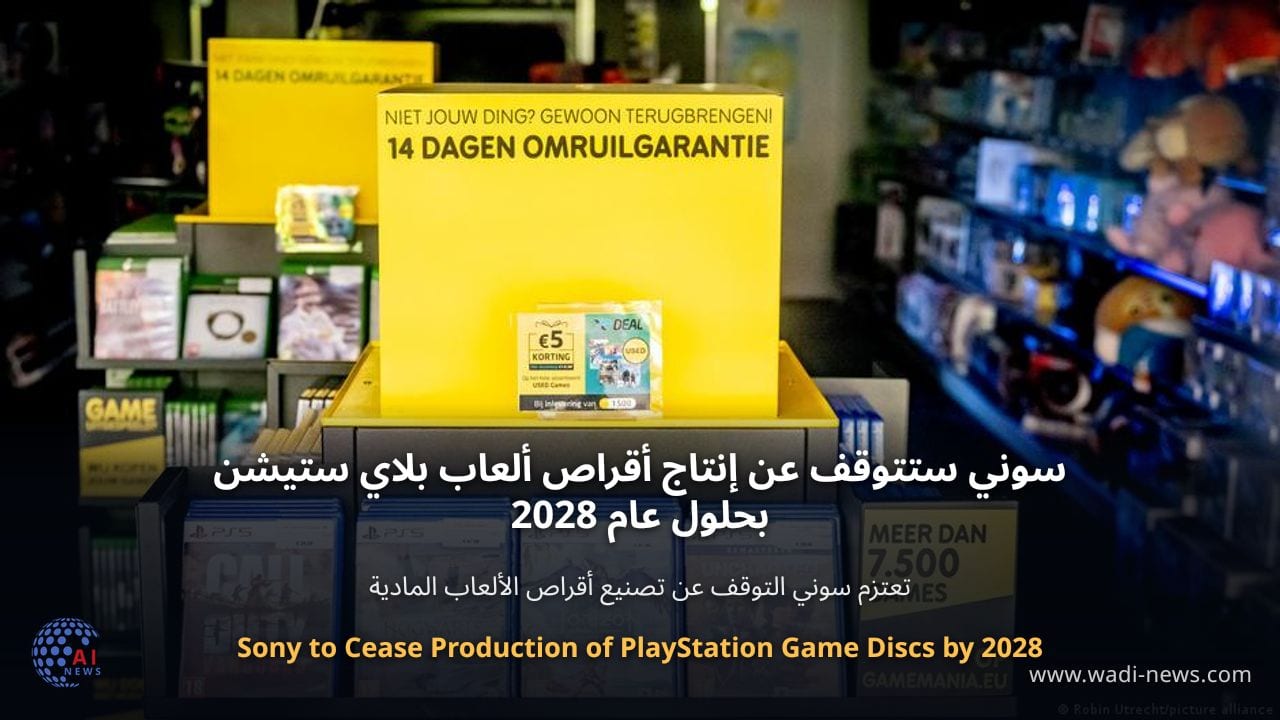
In a significant shift in the gaming industry, Sony has announced that it will discontinue the production of physical discs for PlayStation games starting January 2028. This decision comes as digital downloads become increasingly popular among gamers, with more players opting for the convenience of online purchases instead of physical copies. Sid Shuman, a senior director at Sony Interactive Entertainment, stated that the move reflects the changing landscape of gaming consumption, where the majority of players prefer to download their games directly to their consoles.
The transition to a digital-only model means that gamers will no longer have the option to swap games with friends, sell their used titles, or purchase second-hand games. This shift raises concerns among many gaming enthusiasts who value the physical ownership of their games and the ability to share them with others. Critics argue that this move may limit accessibility for players who do not have reliable internet connections or who prefer the tangible aspects of gaming.
As the gaming world evolves, companies like Sony are adapting to the realities of a digital-first marketplace. The rise of streaming services and subscription models has further accelerated this change, leading to a decline in demand for physical media. By focusing solely on digital formats, Sony aims to streamline its production processes and reduce costs associated with manufacturing and distributing physical discs.
Looking ahead, the transition to a digital-only future presents both opportunities and challenges for the gaming industry. While players will enjoy the benefits of instant access to a vast library of games, the loss of physical media may alter the way gamers interact with their collections. As 2028 approaches, it will be interesting to see how this change impacts consumer behavior and the overall gaming experience.