
ADVERTISEMENT
Fun
150 Years of Bayreuth Festival: Confronting a Complex Legacy
As the Bayreuth Festival celebrates its 150th anniversary, discussions about its historical ties to the Nazi era resurface, highlighting the need for reflection rather than denial.
Jul 2, 2026, 7:34 PM | 3 min read | By Wadi News Editorial Team
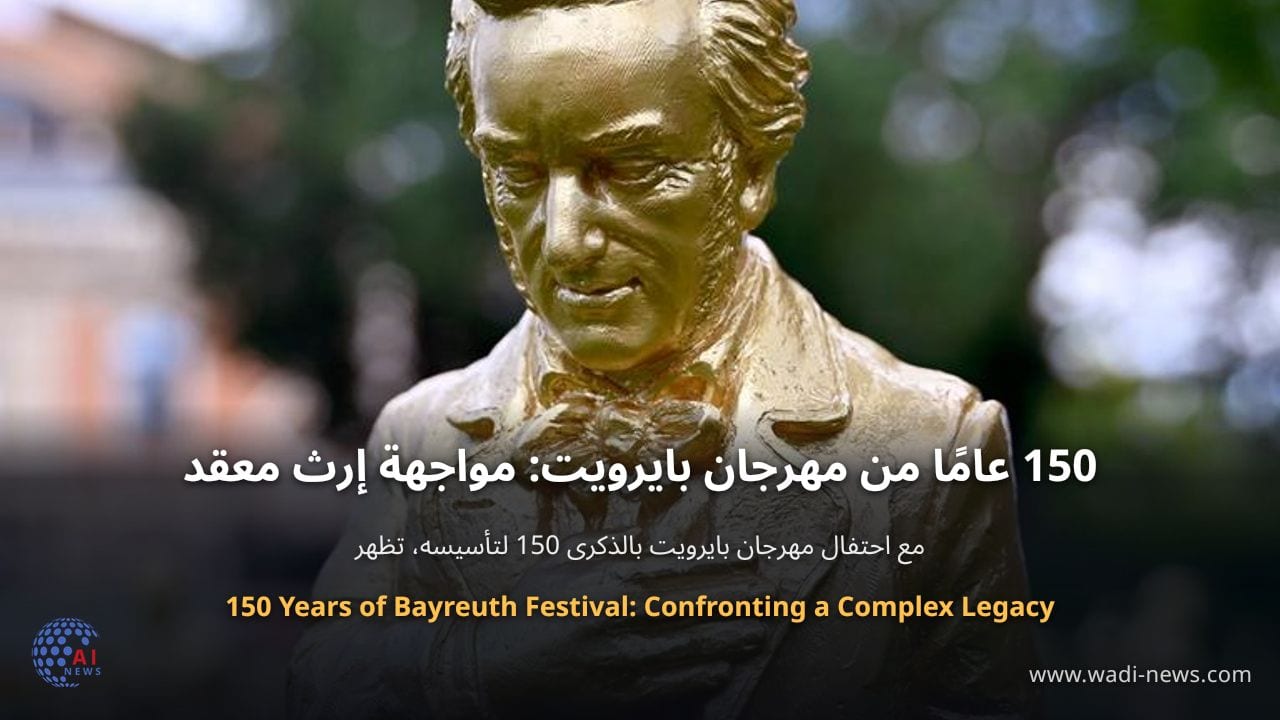
The Bayreuth Festival, a cornerstone of classical music celebrated globally, marks its 150th anniversary this year. This milestone not only signifies a long-standing tradition of opera but also brings to light the festival's controversial past, particularly its connections to the Nazi regime. The festival, established by composer Richard Wagner, has been a subject of scrutiny regarding how it has dealt with its historical affiliations, especially during the period of National Socialism. As the celebrations commence, the question arises: should the festival continue to evade discussions about its past, or is it time for a more honest reflection?
Over the years, the Bayreuth Festival has been praised for its artistic achievements and innovative productions. However, its association with Wagner's anti-Semitic views and the festival's role during the Nazi era raise critical questions about its legacy. Many argue that acknowledging this dark chapter is essential for the festival's integrity and future. The year-long celebrations could serve as a platform to confront these issues, fostering a dialogue that acknowledges the complexity of its history while celebrating its artistic contributions.
Critics have often pointed out that the festival's management has tended to sidestep discussions related to its Nazi connections. This ongoing reluctance to engage with the past has sparked debates among artists, historians, and the public. As the festival reaches this significant anniversary, there is a growing call for transparency and accountability. Engaging with this history could not only enrich the festival's narrative but also honor the memory of those who suffered during the Nazi regime.
In conclusion, the 150th anniversary of the Bayreuth Festival presents a unique opportunity to reflect on its past while celebrating its artistic legacy. The festival can choose to embrace a future that acknowledges its history, ensuring that the lessons learned contribute to a more inclusive cultural dialogue. By doing so, the Bayreuth Festival can redefine its legacy, transforming from a site of controversy to one of reconciliation and understanding.
Historical Context

The Bayreuth Festival was founded in 1876 and has since been a significant event in the opera world. However, its history is intertwined with the political climate of Germany during the early 20th century, particularly the rise of the Nazi party. Richard Wagner's works were appropriated by the Nazis to promote their ideology, which complicates the festival's legacy. Understanding this context is crucial for a comprehensive view of the festival's impact on culture and society.