
ADVERTISEMENT
Economy
The Erosion of American Diplomacy in Iran Negotiations
Recent discussions surrounding Iran highlight a significant shift in U.S. diplomatic practices, revealing a reliance on non-traditional negotiators.
Jul 2, 2026, 5:14 PM | 1-2 min read | By Wadi News Editorial Team
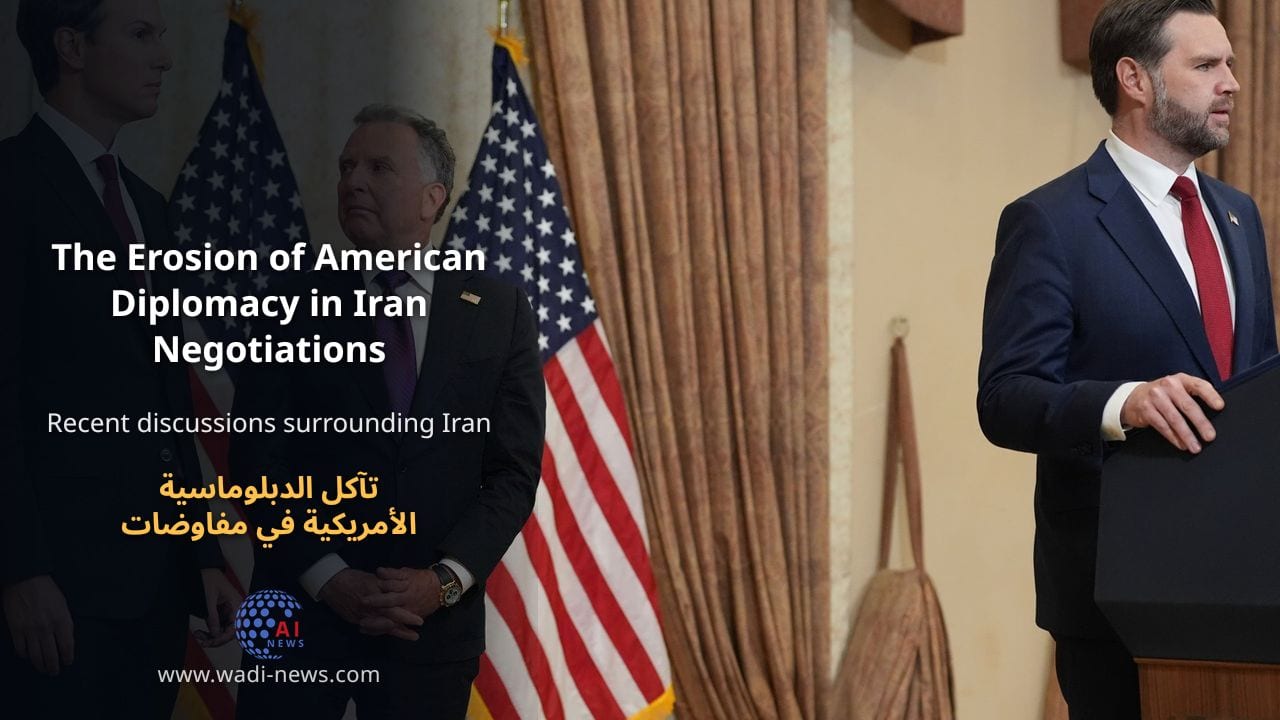
The ongoing negotiations regarding Iran have unveiled a concerning trend in American diplomacy, particularly under the Trump administration. Traditionally, diplomacy has been the realm of skilled negotiators who prioritize their nation's interests above all else. However, the current approach appears to be dominated by individuals whose backgrounds lie outside of conventional diplomatic circles. This shift raises questions about the effectiveness and integrity of U.S. international relations.
The transformation of U.S. diplomacy into a field where real estate investors and business moguls play a central role is alarming. These individuals, while undoubtedly successful in their respective fields, may lack the necessary experience and understanding of complex geopolitical issues that professional diplomats typically possess. As negotiations with Iran progress, the absence of seasoned diplomats could hinder the United States' ability to navigate the intricacies of international politics effectively.
Moreover, the reliance on non-traditional negotiators may lead to outcomes that prioritize short-term gains over long-term stability. The stakes in the Iran negotiations are high, involving not just regional peace but also global security. The potential for missteps is significant when negotiations are conducted by those whose expertise does not align with the nuanced demands of diplomacy. This situation could result in agreements that fail to address the underlying issues, ultimately jeopardizing U.S. interests abroad.
In conclusion, the current state of U.S. diplomacy, particularly in relation to Iran, highlights a troubling departure from established practices. As the nation grapples with the implications of this shift, it is essential to reconsider the role of diplomats and ensure that negotiations are led by those equipped to handle the complexities of international relations. Without a return to traditional diplomatic methods, the future of U.S. foreign policy may be at risk.