
ADVERTISEMENT
Tech
Fuel Crisis in Russia: A Challenge for Putin
With a state of emergency declared in Crimea and increasing attacks on Russian oil refineries, the fuel crisis could pressure Putin to negotiate.
Jul 2, 2026, 3:55 PM | 1-2 min read | By Wadi News Editorial Team
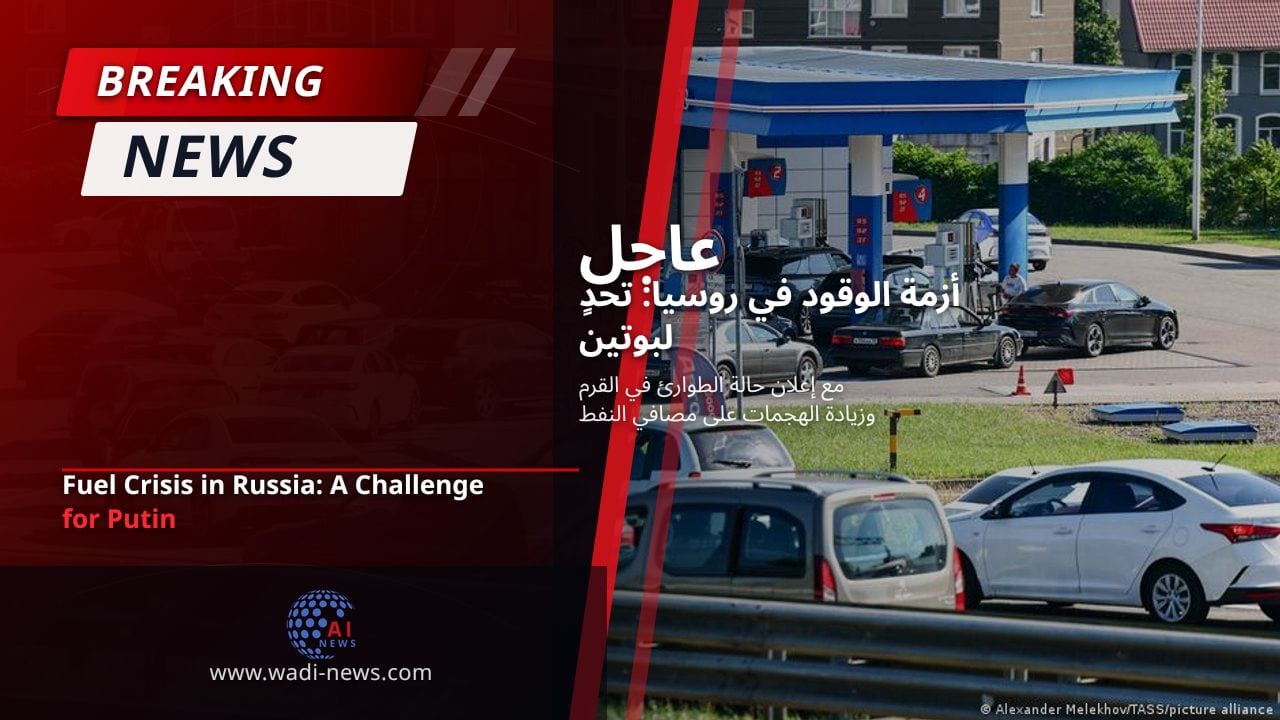
The ongoing fuel crisis in Russia has escalated to a critical level, with significant implications for both the domestic situation and the ongoing conflict with Ukraine. As Ukraine intensifies its military operations targeting Russian oil infrastructure, the Russian government faces mounting challenges. Recently, a state of emergency was declared in Crimea, highlighting the severity of the supply issues affecting the region. This crisis not only threatens the availability of fuel for civilian use but also poses serious logistical problems for the Russian military, which relies heavily on consistent fuel supplies for its operations.
For months, Ukrainian forces have strategically targeted energy facilities in occupied regions and within Russian territory. These attacks have not only disrupted fuel supplies but have also raised questions about the sustainability of Russia's military efforts in Ukraine. By striking at the heart of Russia's energy infrastructure, Ukraine aims to weaken the Kremlin's resolve and potentially force a reconsideration of its military strategy. The situation is further complicated by the fact that as fuel supplies dwindle, the Russian military could find it increasingly difficult to maintain its operations, leading to a possible reevaluation of its current stance in the conflict.
As the situation develops, international observers are speculating whether the fuel crisis could lead to a shift in negotiations. With the pressure mounting, there are calls for Putin to engage in dialogue to address the ongoing conflict. The Kremlin's response to this crisis will be crucial in determining the future of the war and the stability of the region. Analysts suggest that if the fuel shortages continue, it may not be long before Russia is compelled to seek a diplomatic resolution to the conflict, a move that has been largely absent in recent months.
In conclusion, the fuel crisis in Russia represents a significant turning point in the ongoing war with Ukraine. As the situation evolves, the implications of this crisis could reverberate through the geopolitical landscape, potentially leading to shifts in power dynamics within the region. The coming weeks will be critical as both sides navigate these challenges, and the international community watches closely to see how this energy crisis will impact the broader conflict.