
ADVERTISEMENT
Politics
Israel's Stance in Lebanon: A Challenge to US-Iran Cooperation
Israeli Prime Minister Netanyahu's commitment to remaining in southern Lebanon raises concerns about the future of the US-Iran Memorandum of Understanding.
Jul 2, 2026, 4:54 PM | 1-2 min read | By Wadi News Editorial Team
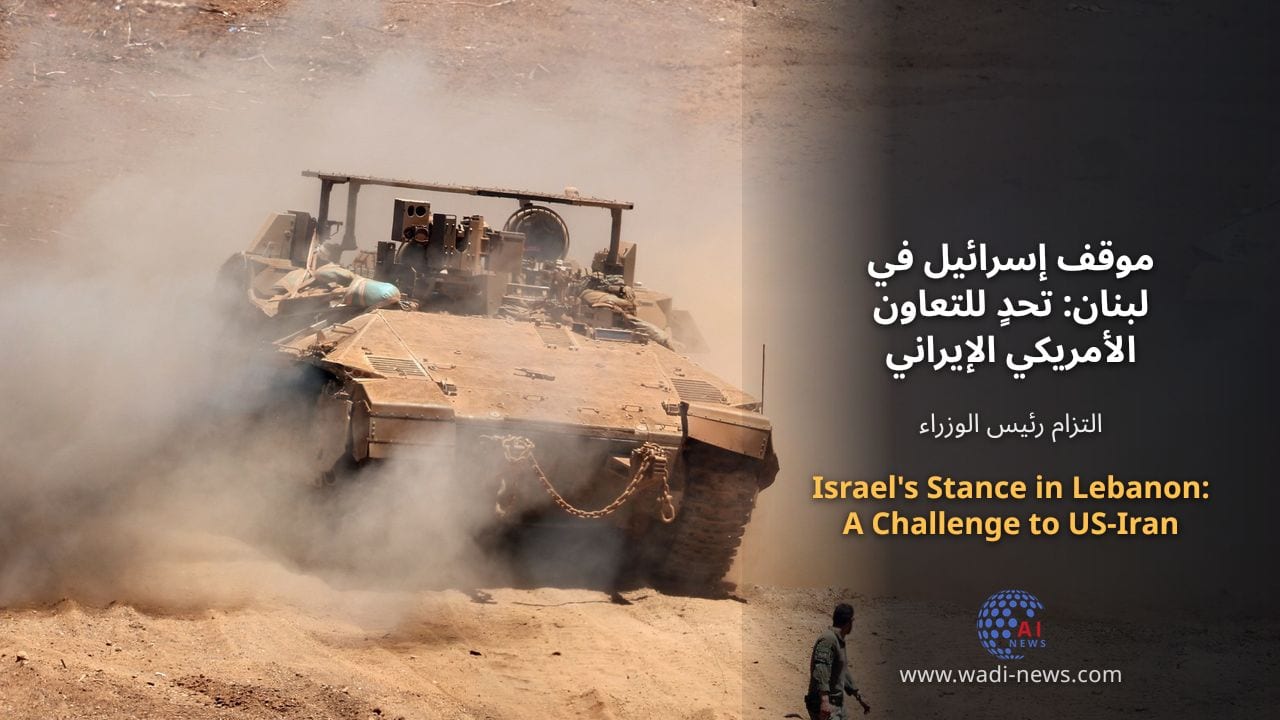
Israeli Prime Minister Benjamin Netanyahu's recent visit to troops stationed in southern Lebanon has sparked significant discourse regarding the ongoing military presence of Israel in the region. During his visit, Netanyahu firmly stated that Israeli forces would not withdraw from Lebanon as long as Hezbollah, an Iran-backed militant group, continues to pose a threat. This declaration has raised eyebrows among analysts and policymakers, particularly in the context of the US-Iran Memorandum of Understanding (MOU), which aims to stabilize the region and reduce tensions between the two nations.
The MOU, a crucial diplomatic agreement, seeks to facilitate communication and cooperation between the US and Iran, especially concerning issues of regional security. However, Israel's persistent military engagement in Lebanon is viewed as a significant hurdle to the successful implementation of this agreement. Analysts suggest that Netanyahu's stance could undermine the delicate balance that the MOU aims to establish, potentially escalating tensions not only between Israel and Hezbollah but also between the US and Iran.
In light of these developments, it is essential to understand the implications of Israel's military strategy in Lebanon. The presence of Israeli troops is often justified by the government as necessary for national security, particularly in countering threats from Hezbollah. Nevertheless, this ongoing military operation complicates diplomatic efforts and could lead to further conflict in an already volatile region. The question remains whether the US will respond to Israel's actions and how this will affect the broader geopolitical landscape.
As the situation unfolds, both Israeli and American leaders will need to navigate the complexities of regional politics carefully. The future of the MOU hangs in the balance, and the actions taken by Israel in Lebanon could very well determine the trajectory of US-Iran relations moving forward. Without a concerted effort to address these challenges, the prospect of peace and stability in the region may remain elusive.