
ADVERTISEMENT
Politics
Arrest Made in Rwanda Genocide Case by German Authorities
A German-Rwandan individual has been detained on charges related to the 1994 genocide in Rwanda, marking a significant step in justice for the victims.
Jul 2, 2026, 12:13 PM | 3 min read | By Wadi News Editorial Team

In a significant development regarding accountability for the 1994 genocide in Rwanda, German authorities have arrested a German-Rwandan man suspected of complicity in the atrocities that led to the deaths of over 800,000 people. This arrest, announced by German prosecutors on Wednesday, underscores the ongoing efforts to bring those responsible for the genocide to justice, regardless of where they may reside. The suspect is believed to have had direct involvement in the murder of one individual, highlighting the personal nature of his alleged crimes amidst the broader context of mass violence.
The genocide, which predominantly targeted Tutsis and moderate Hutus, remains one of the darkest chapters in modern history. It saw systematic killings and widespread violence that devastated the nation of Rwanda and left a lasting impact on its society. The arrest comes as part of a broader initiative by Germany and other nations to address historical injustices and hold perpetrators accountable, no matter how much time has passed since the crimes occurred.
Investigations into the suspect's activities are ongoing, as authorities seek to gather more evidence regarding his role in the genocide. This case reflects a growing trend in international law where countries are taking action against individuals accused of war crimes and crimes against humanity, even if the events took place decades earlier. The legal framework that allows for such actions is crucial in providing a sense of justice for victims and their families, who have waited many years for acknowledgment and redress.
As the world continues to grapple with the legacy of the Rwandan genocide, this arrest is a reminder of the necessity for vigilance and action against impunity. It serves as a beacon of hope for survivors and advocates who have tirelessly worked towards justice. The proceedings against the suspect will be closely monitored as they unfold, and they may pave the way for further legal actions against others involved in similar crimes.
Background on the Rwandan Genocide
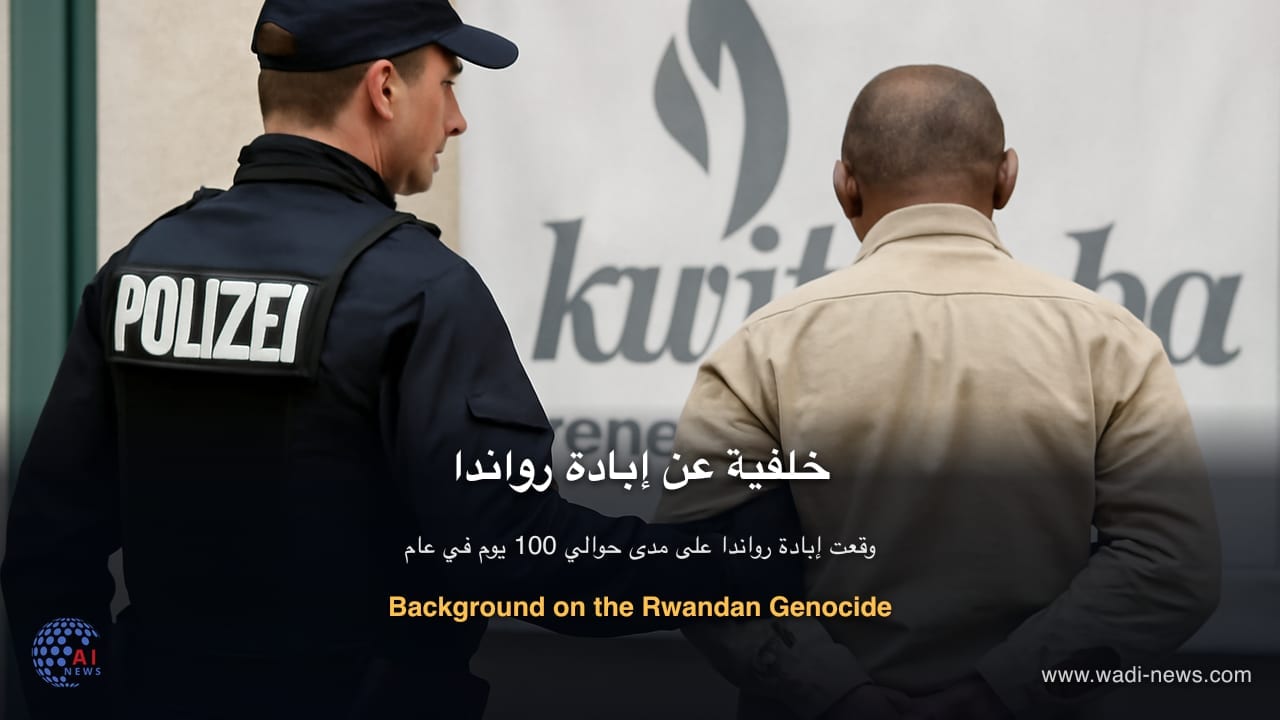
The Rwandan genocide occurred over a span of approximately 100 days in 1994, where extremist factions targeted the Tutsi population and moderate Hutus. It was a result of longstanding ethnic tensions exacerbated by political factors. The international community's response was widely criticized for its inadequacy, and the effects of the genocide are still felt in Rwanda today, as the nation continues to rebuild and strive for reconciliation.