
ADVERTISEMENT
Economy
The Transformative Impact of Cryptocurrencies on Global Politics
Cryptocurrencies are reshaping political landscapes and influencing policy decisions worldwide, with notable figures like Donald Trump embracing the trend.
Jul 2, 2026, 7:26 AM | 1-2 min read | By Wadi News Editorial Team
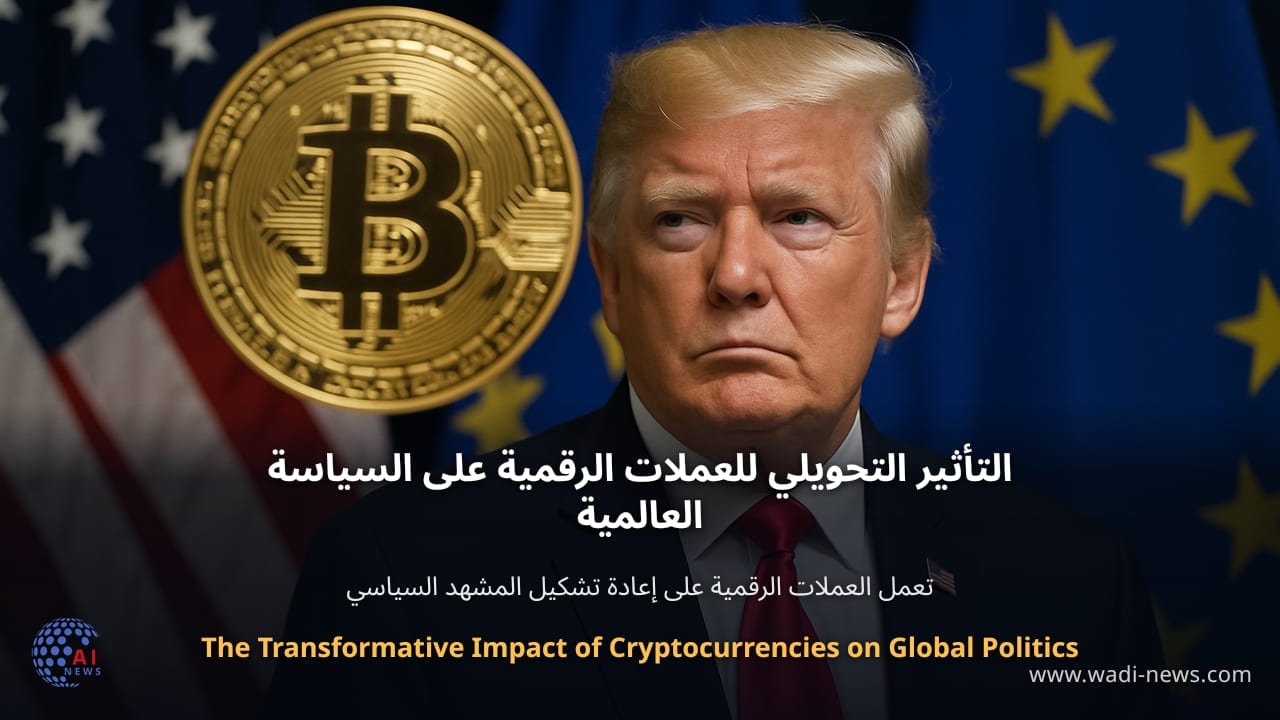
In recent years, the rise of cryptocurrencies has significantly altered the political landscape across the globe. Once viewed with skepticism, these digital currencies have gained traction, influencing both policy and the actions of politicians. A notable example is former President Donald Trump, who, despite his earlier dismissive stance, reportedly earned over $1 billion from cryptocurrency sales in the past year alone. This dramatic shift in attitude underscores the growing importance of cryptocurrencies in the financial and political arenas.
The impact of cryptocurrencies extends beyond financial gains for individuals. Lobbyists for digital currencies have become increasingly influential, advocating for more favorable regulations and policies. As governments grapple with the complexities of integrating cryptocurrencies into existing financial systems, the voices of lobbyists are becoming harder to ignore. This trend raises questions about the role of private interests in shaping public policy, particularly in an era when digital currencies are becoming mainstream.
Moreover, the implications of cryptocurrencies on global politics are profound. Countries are starting to consider the potential of blockchain technology and decentralized finance as tools for economic empowerment. Nations that embrace these innovations may find themselves at the forefront of a new economic order, while those that resist may fall behind. This potential for disruption is prompting leaders worldwide to rethink their strategies regarding finance, trade, and international relations.
As the dialogue around cryptocurrencies continues to evolve, it remains to be seen how they will shape future political dynamics. The blending of finance and politics is becoming more pronounced, and with figures like Trump reaping substantial benefits, the stakes are high. Policymakers must navigate this new terrain carefully, balancing innovation with regulation to ensure that the benefits of cryptocurrencies are realized without compromising economic stability. The interplay between digital currencies and political power is set to be a defining feature of the coming years.