
ADVERTISEMENT
Economy
Russia: The Oil-Rich Nation Thirsting for Gasoline
Despite being one of the largest oil producers, Russia faces a severe gasoline shortage that is shocking both citizens and gas stations alike.
Jul 2, 2026, 2:26 AM | 1-2 min read | By Wadi News Editorial Team
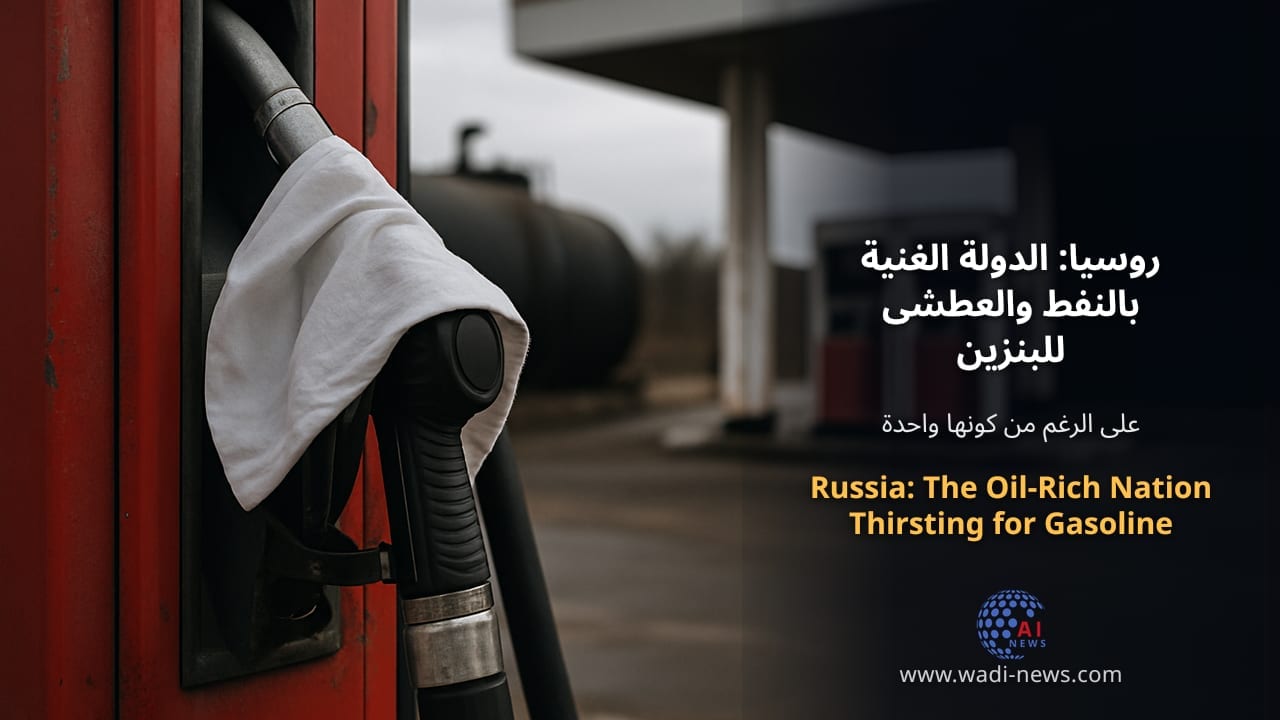
In a striking paradox, Russia, a nation that pumps millions of tons of oil, is grappling with a significant shortage of gasoline. This situation has left many citizens and gas stations in disbelief, as the issue extends beyond mere price hikes to a complete absence of fuel at many locations. The Russian writer Alexei Slonov emphasizes that this crisis has deeper roots than the geopolitical tensions with Ukraine and the West suggest. He argues that the structural faults within the Russian economy are primarily to blame for this predicament.
Slonov elaborates on how Russia operates as a global supplier of raw materials, exporting vast quantities of crude oil while neglecting domestic needs. The conflict with Ukraine, exacerbated by Western interests, has inflicted damage on Russia's fuel infrastructure, leading to further complications. The writer points out that the cost of refining oil for local consumption has become unfeasible due to soaring global prices, resulting in a market where gasoline is scarce. This has forced authorities to implement complex manual controls that have proven ineffective.
The situation is worsened by the reality that even while the government attempts to subsidize oil companies to prevent a fuel crisis, these efforts have not ensured stability. The government’s inability to manage the energy sector effectively has left it vulnerable to monopolistic financial and economic groups. The recurring fuel shortages are symptomatic of a chronic issue that has plagued the nation for years, with prices for aviation fuel and gasoline often spiking during peak seasons, such as summer or harvest time.
To address this dilemma, Slonov proposes three critical strategies: nationalizing strategic industries to ensure that revenues from natural resources benefit the public treasury; establishing state monopolies on raw material exports to prioritize domestic refining; and stabilizing local prices to reflect domestic production costs rather than global speculative rates. He concludes that Russia must shift its perspective from catering to the interests of oil giants to focusing on national interests to resolve the ongoing fuel crisis and prevent future shortages.