
ADVERTISEMENT
Economy
Gen Z's Shift in Retirement Planning: A Future Without State Pension
A growing number of Gen Z individuals are preparing for a future without a state pension, driven by skepticism about its viability. This article explores their concerns and changing financial habits.
Jul 1, 2026, 11:26 AM | 1-2 min read | By Wadi News Editorial Team
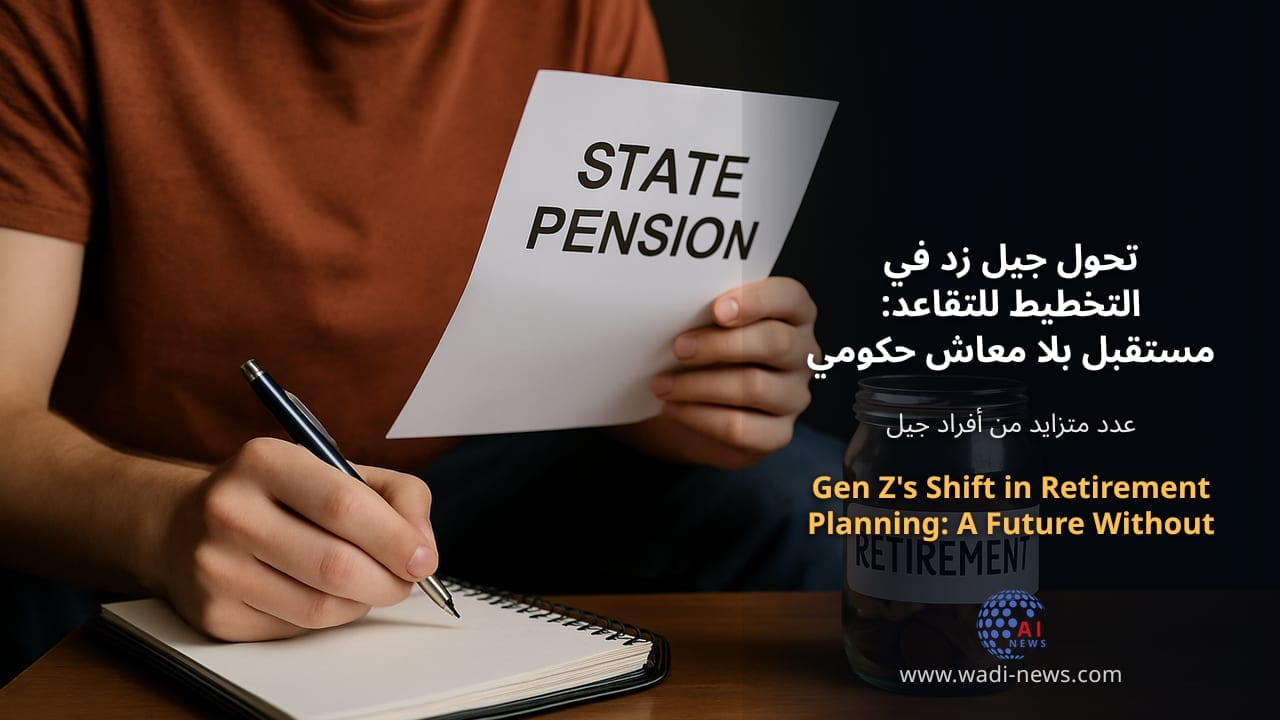
As the new generation steps into the workforce, many young adults, particularly those from Generation Z, are reconsidering their retirement plans. A significant portion of this demographic, born between 1997 and 2012, harbors doubts about the existence of a state pension by the time they retire. For instance, Joel, a 23-year-old engineer, has decided to allocate a larger portion of his salary to his workplace pension, citing his belief that the state pension will be non-existent when he is older. He reflects, 'I don’t believe that I’ll be a recipient of a state pension. There just won’t be enough money.' This sentiment resonates widely within his age group, with nearly half expressing similar concerns.
The shifting landscape of the state pension age adds to their apprehension. Recent changes have raised the retirement age from 66 to 67, with projections indicating it could reach 68 soon. Connor, a 27-year-old retail manager, expresses frustration at the continual adjustments to retirement timelines, believing he might have to work until he is 75. This uncertainty is compounded by demographic trends, which show a growing number of retirees compared to working-age individuals, raising fears about the sustainability of the pension system.
Moreover, a significant percentage of working-age adults are not contributing to private pension plans, leaving them dependent on the state pension for their retirement. Current statistics indicate that about 19% of the population is of state pension age, with projections suggesting this will increase significantly over the next few decades. Experts warn that if skepticism about the state pension persists, many young people may resort to riskier investments or, conversely, refrain from saving altogether, potentially leading to a widespread pension crisis for Gen Z.
The debate surrounding pension reforms is also heating up, with some organizations proposing the abolition of the triple lock system that guarantees annual pension increases. Suggestions include replacing it with a new scheme that allows early access to pension funds under certain circumstances. This idea has found favor among some, like Connor, who face job insecurity and would benefit from accessing their future pension funds now. However, former pensions minister Steve Webb cautions against such drastic changes, warning that they could complicate the system and create further challenges for future retirees. As these discussions unfold, it is evident that the financial strategies of Gen Z are evolving in response to their concerns about retirement security, with many opting for greater personal investment as a hedge against uncertainty.