
ADVERTISEMENT
Fun
The Diverging Paths of Kirill Serebrennikov and Konstantin Bogomolov Amidst War and Repression
This article explores how the lives and careers of renowned Russian directors Kirill Serebrennikov and Konstantin Bogomolov have transformed over nearly two decades of their influential contributions to modern Russian theater, particularly in light of the ongoing war in Ukraine and increasing repre…
Jul 1, 2026, 4:56 AM | 3 min read | By Wadi News Editorial Team
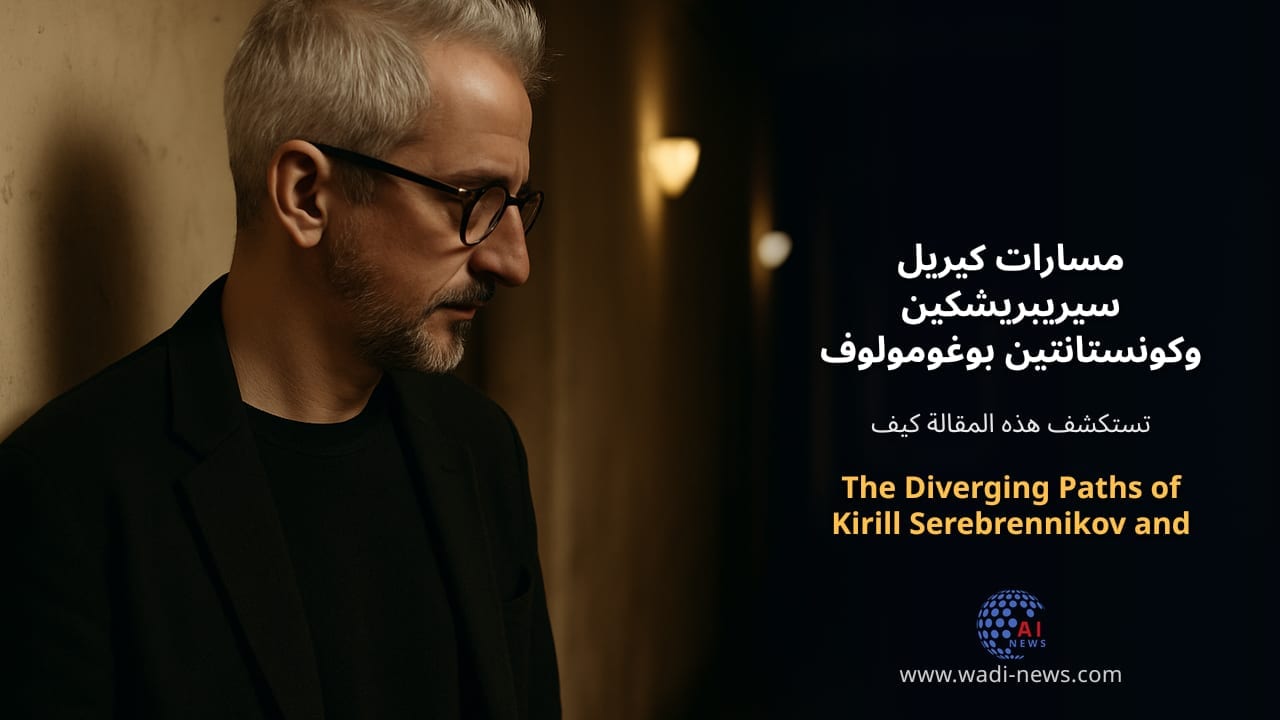
For almost 20 years, Kirill Serebrennikov and Konstantin Bogomolov were at the forefront of a new wave in Russian theater, celebrated by both opposition figures and government officials. Their works, which often pushed the boundaries of traditional narratives, garnered acclaim and sparked controversies. However, the onset of the war in Ukraine has led to a stark divergence in their paths. Serebrennikov, who left Russia after the war began, has found a new creative home in Europe, while Bogomolov has remained in Russia, navigating his career amidst the tightening grip of state control.
In March 2026, Serebrennikov's ballet "Nureyev" premiered in Berlin to enthusiastic audiences, a stark contrast to its earlier cancellation in Russia due to accusations of promoting LGBTQ themes. The reception of Serebrennikov's work abroad highlights the cultural rift that has developed, as he continues to create freely, embodying the artistic spirit that flourished before the war. Meanwhile, Bogomolov's productions, such as the controversial "New Optimistic," reflect a different reality, one that grapples with state censorship and the challenges of creating art in a repressive environment.
The evolution of their careers mirrors the broader shifts in Russian society. In the 2010s, both directors were seen as trendsetters, revitalizing a theater scene that had languished under the weight of Soviet-era traditions. Their unique styles and willingness to engage with contemporary issues resonated with audiences, making them prominent figures in the cultural landscape. However, as the political climate deteriorated, their artistic expressions began to diverge significantly.
Serebrennikov's departure from Russia marked a turning point, transforming him into a symbol of artistic resistance against the regime. His work now reflects a broader critique of oppression, while Bogomolov's continued presence in Russia raises questions about complicity and survival in an increasingly hostile environment. As they navigate their respective landscapes, the contrast between their artistic choices underscores the complexities faced by artists in times of crisis. The future of both directors remains uncertain, yet their journeys continue to inspire discussions about the role of art in society.
A Cultural Rift
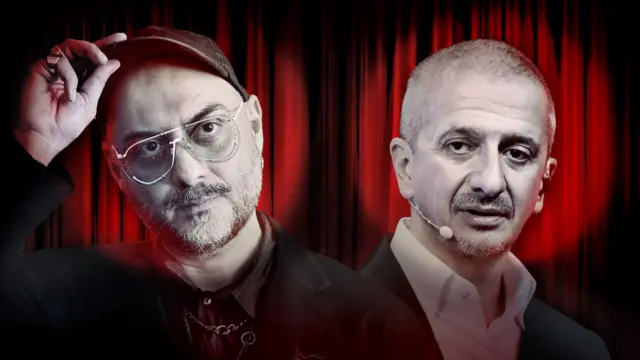
The divergence in the careers of Serebrennikov and Bogomolov can be seen as a reflection of the broader cultural and political shifts in Russia. Serebrennikov's works, now celebrated in Europe, contrast sharply with Bogomolov's increasingly state-aligned productions. This cultural rift underscores the challenges faced by artists in expressing dissent in a repressive regime.