
ADVERTISEMENT
Tech
Ford Brings Back Human Engineers After AI Quality Checks Fall Short
Ford has decided to rehire human quality inspectors as its AI systems proved inadequate in ensuring product quality, highlighting the limitations of automated checks.
Jun 30, 2026, 7:56 PM | 1-2 min read | By Wadi News Editorial Team
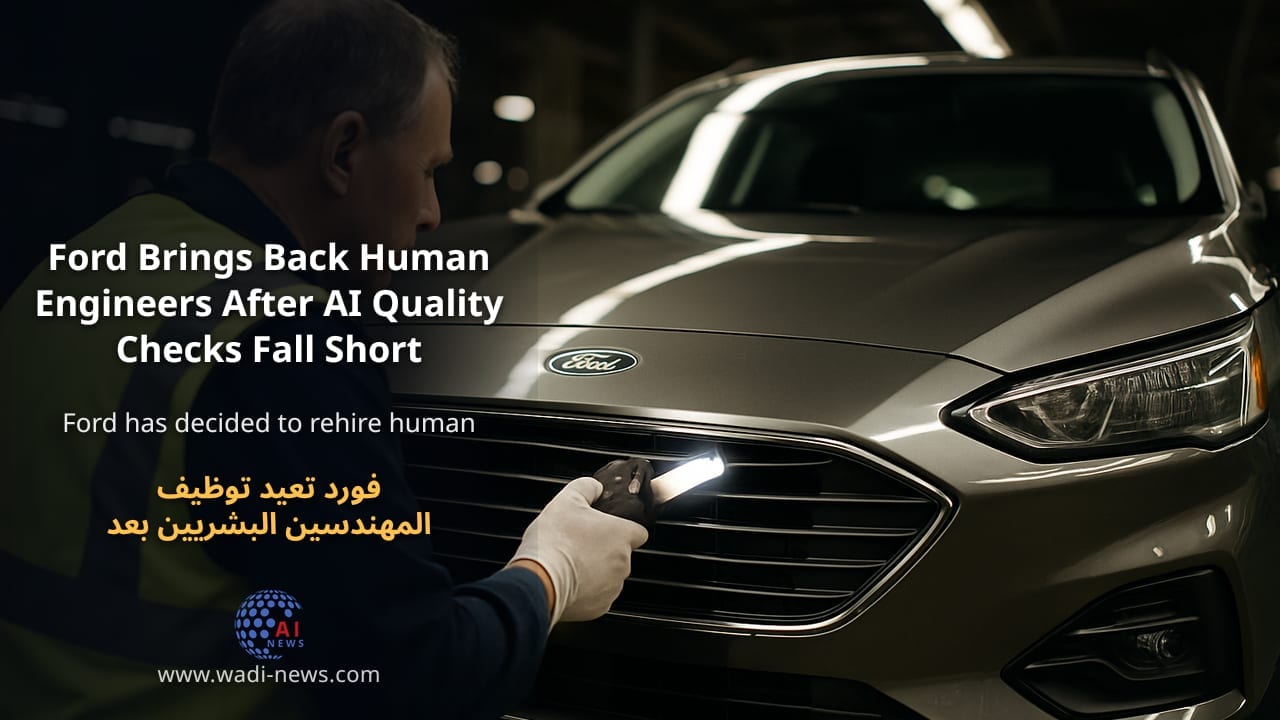
In a significant move, Ford has opted to reinstate human engineers in its quality inspection processes after finding that the artificial intelligence systems were not able to match the expertise and experience of seasoned technicians. This decision reflects a growing recognition within the automotive industry about the limitations of AI when it comes to maintaining high standards of quality. Charles Poon, the vice president of vehicle hardware engineering at Ford, stated that while AI is a powerful tool, its effectiveness is directly tied to the quality of the data used for training. This revelation comes as Ford has been actively integrating AI technologies into various facets of its operations, including quality assurance, to enhance efficiency and reduce costs.
The automaker's reliance on AI was initially aimed at harnessing the technology to streamline processes and improve productivity. However, reports indicate that Ford has had to bring back over 300 veteran quality inspectors in recent years as the automated systems failed to meet the expected standards. Poon emphasized the importance of human expertise, noting that the company had previously underestimated the value of experienced engineers who have navigated numerous product cycles. This oversight has now prompted a shift back to a more balanced approach, combining human skill with technological advancements.
Moreover, Ford's executives have been vocal about the ambitious plans to deploy AI across their industrial systems, which included the installation of 900 AI-powered cameras in their manufacturing plants. These cameras were intended to identify quality issues at the source and help mitigate supply chain disruptions. However, the shortcomings of AI in delivering consistent quality have led to a reassessment of this strategy. Poon articulated that the assumption that AI alone could produce high-quality products without adequate human oversight was misguided. This realization has sparked a renewed focus on integrating human knowledge into the AI training process to enhance the overall efficacy of the technology.
As Ford navigates these challenges, the company has also celebrated its resurgence as a leader in vehicle quality, recently being recognized as the top mainstream automaker in the US JD Power Initial Quality Study. This achievement marks a significant turnaround for Ford, which had not held this position since 2010. The company attributes this success to a comprehensive talent refresh, which involved not only rehiring experienced engineers but also making changes in leadership across engineering, supply chain, and manufacturing sectors. With the return of veteran inspectors, Ford aims to leverage their expertise to improve its AI systems and ensure that the high standards of quality expected by consumers are consistently met.