
ADVERTISEMENT
Fun
World Cup 2026: How Morocco won the battle for Dutch-born talent
The World Cup 2026 match between Morocco and the Netherlands highlights the intersection of migration, identity, and the evolving dynamics of international football.
Jun 30, 2026, 10:17 AM | 1-2 min read | By Wadi News Editorial Team
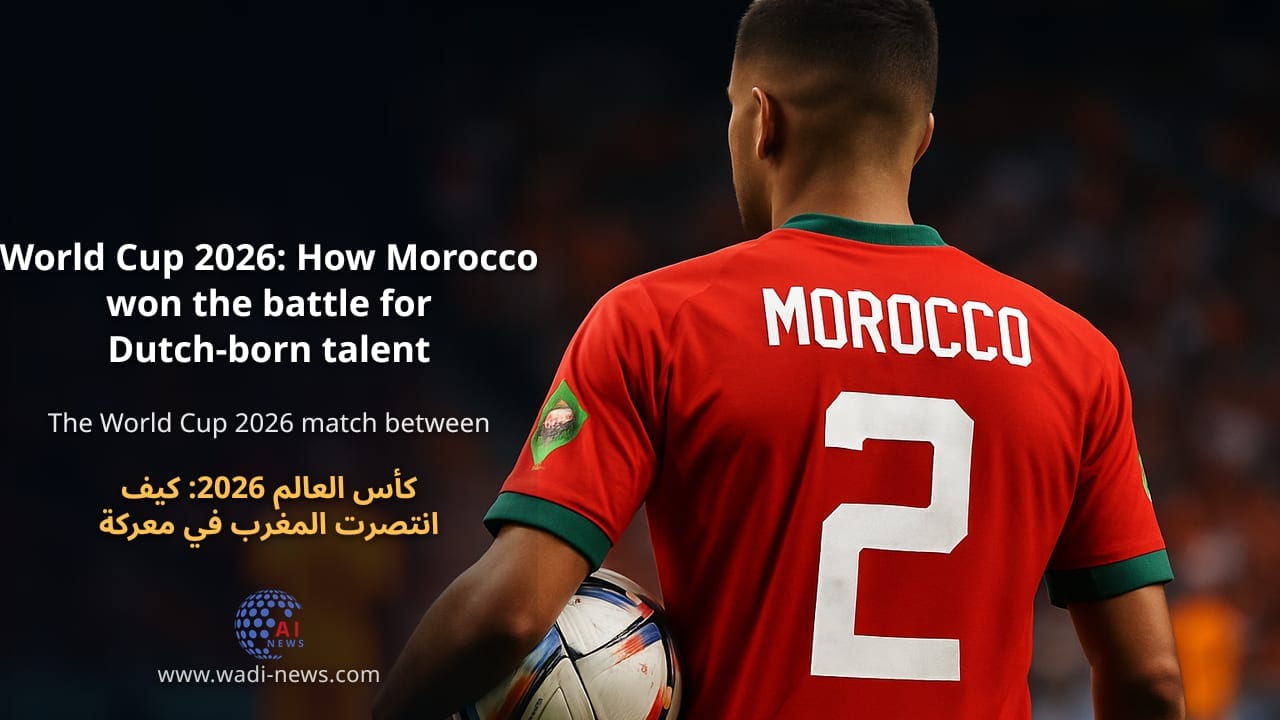
The World Cup has always been about more than football. Every four years, it becomes a meeting place for history, migration, and identity, where national teams often tell stories that stretch far beyond the pitch. The upcoming match between the Netherlands and Morocco is a prime example of this phenomenon, showcasing how football reflects societal changes and the complexities of national identity.
On paper, this fixture is one of the standout ties of the last 32 teams in the tournament. The Netherlands arrives in Monterrey unbeaten, having topped Group F with seven points and scoring ten goals, matching their most prolific World Cup group stage performance. Morocco, too, has progressed undefeated, finishing behind Brazil only on goal difference after collecting seven points from a group that included Scotland and Haiti. However, the significance of this meeting goes beyond mere statistics and tournament brackets.
Football does not exist in isolation from society. Questions of identity, belonging, and heritage have become increasingly prominent across Europe, and few international rivalries illustrate those themes more clearly than this one. The relationship between the Dutch and Moroccan football federations has fundamentally changed over the years, reflecting broader trends in migration and identity. Almost one in every four players at World Cup 2026 was born outside the country they represent, highlighting how modern international football mirrors patterns of migration.
Morocco stands out in this evolution, with nineteen of Mohamed Ouahbi's 26-man squad born outside the country. The Royal Moroccan Football Federation has invested heavily in identifying dual-national talent across Europe, deploying scouts throughout France, Belgium, Spain, and the Netherlands. This proactive approach has reshaped Morocco's international fortunes, allowing them to field an entire XI born abroad during the group-stage draw against Brazil. The policy has not only focused on recruiting players but also on building relationships with their families, recognizing that personal connections often play a crucial role in a player's decision to represent a national team.
The shift in allegiance of players like Hakim Ziyech, who chose Morocco despite being developed within the Dutch system, symbolizes this change. Ziyech's decision was influenced by a sense of belonging and the support he received from the Moroccan federation, which made him feel indispensable. This has altered perceptions on both sides, as Morocco has successfully attracted some of its brightest dual-national talents, while the Netherlands has seen its pool of players diminish. The backdrop of Moroccan migration to the Netherlands, which accelerated during the late 1960s, has created generations of Dutch citizens with Moroccan heritage, complicating the narrative of national identity in football.
As the two teams prepare to meet in Monterrey, the match represents more than just a place in the last 16.…