
ADVERTISEMENT
Economy
How much should we be prepared to pay for our food?
A growing number of voices argue that instead of capping food prices, consumers should be willing to spend more for quality food, especially in light of the ongoing cost-of-living crisis.
Jun 29, 2026 | 1-2 min read | By Wadi News Editorial Team
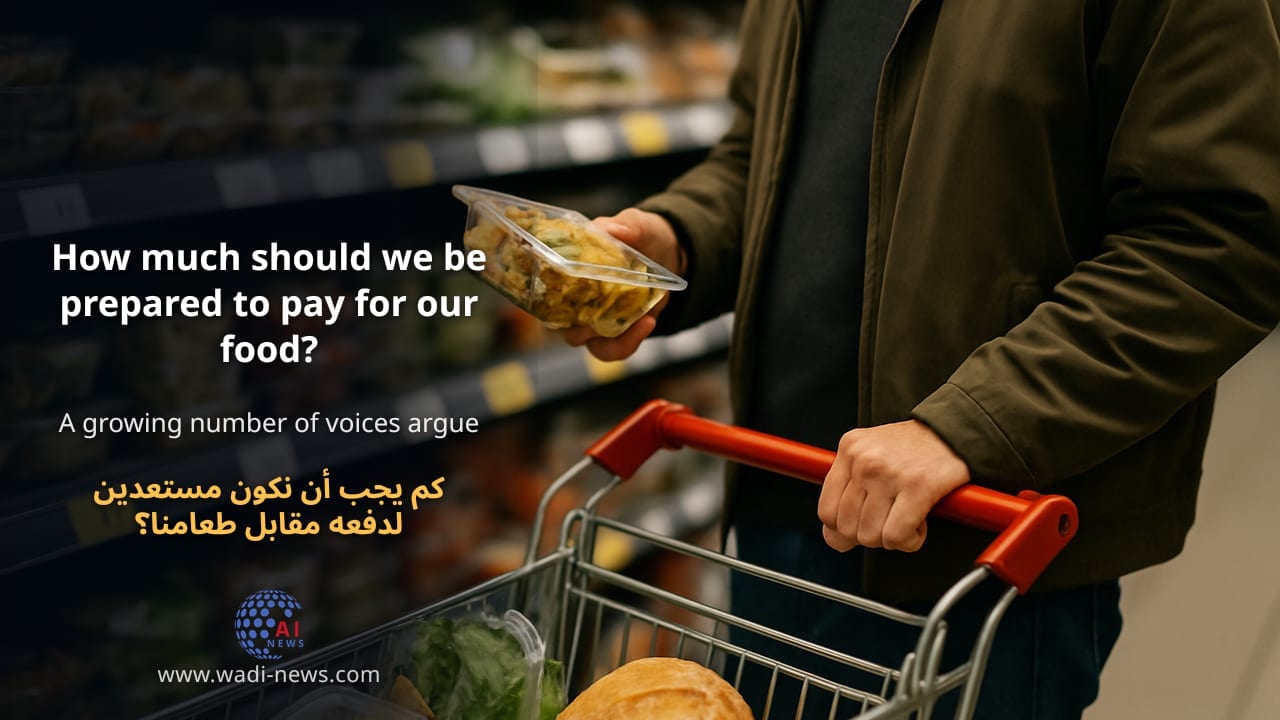
In recent discussions surrounding food pricing, a notable shift in consumer attitudes has emerged, particularly in Scotland. Many individuals, including local producers, are advocating for a change in perspective regarding food costs. Jules Bal, co-owner of the artisanal butter company Wee Knob of Butter, emphasizes that Scots are increasingly willing to pay more for quality food. He notes that in France, where he hails from, there is a strong emphasis on the origin and taste of food, contrasting with the push for cheaper food options in Scotland. This sentiment is echoed by various stakeholders who believe that prioritizing quality over cost is essential for a sustainable food system.
The Scottish government has proposed a price cap on essential food items, a move that has sparked controversy among farmers and food producers. Critics argue that such measures could undermine the quality of food and the livelihoods of those who produce it. The SNP's manifesto commitment to capping prices has been labeled a "potty gimmick" by some retailers, while First Minister John Swinney insists that it is a moral obligation to ensure that all families can afford nutritious food. This debate highlights the tension between affordability and quality in the food market, raising questions about the future of food production and consumption in Scotland.
As the cost of living continues to rise, the proportion of household income spent on food has changed significantly. Recent statistics indicate that food spending has decreased from 33% to 16% over the past six decades. This decline is attributed to the industrialization of farming and the power of supermarkets to keep prices low. However, food historian Peter Gilchrist warns that this trend has led to a disconnection between consumers and the origins of their food. He advocates for a more hands-on approach to food education, suggesting that schools should teach young people about cooking and the importance of local produce.
The implications of these discussions are profound, particularly for lower-income families who may spend a disproportionate amount of their income on food. Nutrition scientist Prof. Alex Johnstone highlights that some families are facing food insecurity, spending up to 85% of their disposable income on groceries. She argues that any price cap should encompass a variety of healthy and culturally appropriate foods to ensure that all families can access nutritious options. As the conversation around food pricing evolves, it is clear that a balance must be struck between affordability and quality, ensuring that all consumers can enjoy the benefits of a healthy diet without compromising on standards.