
ADVERTISEMENT
Tech
Have We Entered the Era of Smart Assistants Within Operating Systems?
Tech giants Apple, Google, and Microsoft are integrating AI agents directly into their operating systems. This raises questions about whether this move enhances the power of these companies or is merely another update.
Jun 28, 2026 | 3 min read | By Wadi News Editorial Team
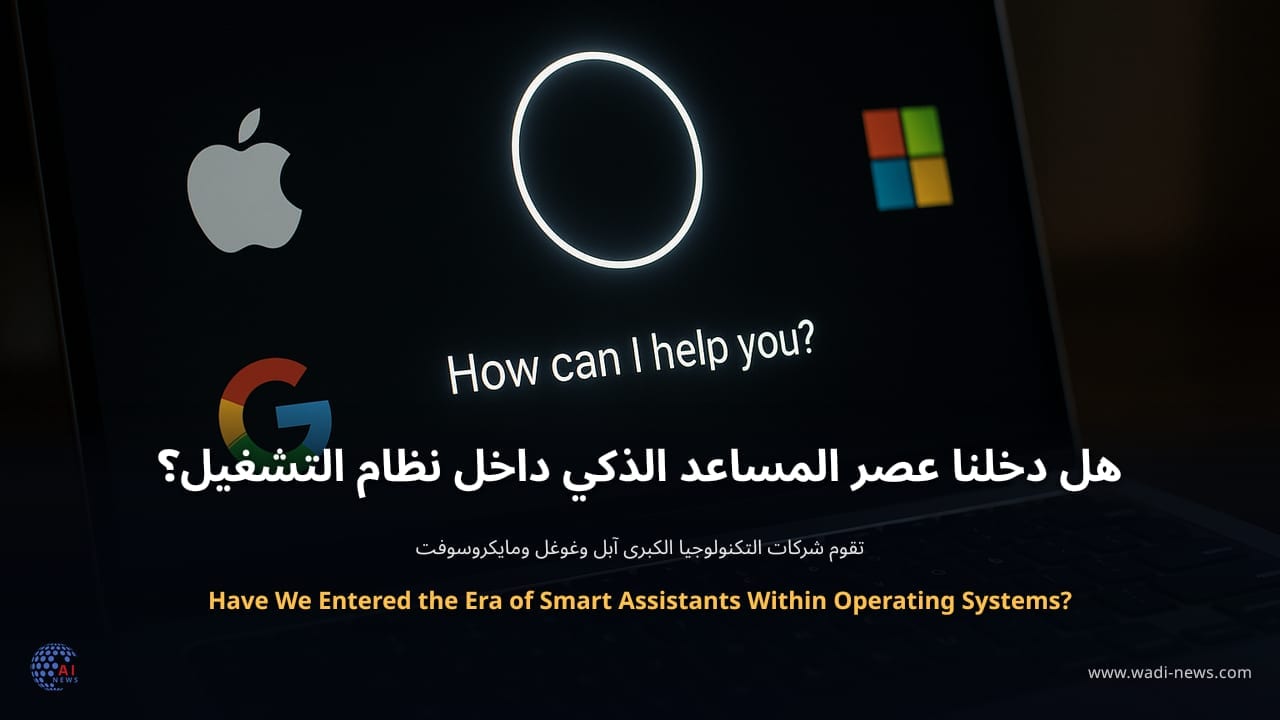
Technology companies are promising a future where our interaction with operating systems is transformed by artificial intelligence. Instead of physically manipulating devices, users can simply describe their needs to an AI assistant, which will execute tasks without further input. This evolution shifts personal assistant applications from basic voice-activated tools to fully integrated AI agents that operate within the operating system itself.
Apple, Google, and Microsoft have all announced their plans to incorporate AI capabilities into their systems. Apple first hinted at this shift two years ago with its 'Apple Intelligence' initiative, and has since reiterated its commitment during developer conferences with features like 'Siri AI'. Similarly, Nvidia has partnered with Microsoft to enhance its offerings with the new 'RTX Spark' chip, while Google introduced 'Gemini' in its Android 17 operating system.
The integration of AI agents into operating systems represents a significant leap from traditional AI assistants. Unlike standalone AI agents, these integrated systems can perform a wide range of functions directly within the operating system, thanks to their deep integration with the hardware and software. Reports indicate that 'Siri AI' can access the internet for information, as well as personal data and applications, enabling it to assist users in a more comprehensive manner.
However, this raises concerns about privacy and data security. The embedded AI agents have the potential to access sensitive information that users may not typically share with external AI services. This could lead to a situation where companies have greater control over user data, prompting a debate about the balance between convenience and privacy. As these technologies evolve, users must consider whether the benefits outweigh the risks associated with increased corporate power over personal information.
The Future of AI in Operating Systems

As technology continues to advance, the integration of AI into operating systems is likely to become more prevalent. Companies are investing heavily in developing these technologies, which could lead to more sophisticated and capable AI assistants. However, the success of these initiatives will depend on user acceptance and trust. Users must feel secure in how their data is handled and be assured that their privacy is protected. The future of AI in operating systems will not only shape how we interact with technology but also how we perceive the role of corporations in our digital lives.