
ADVERTISEMENT
Fun
JAMA Study Outlines How Obesity Leads to Development of Cancer
A comprehensive review coauthored by KU researcher summarizes how obesity contributes to cancer development and how that risk could be reduced.
Jun 26, 2026 | 1-2 min read | By Wadi News AI
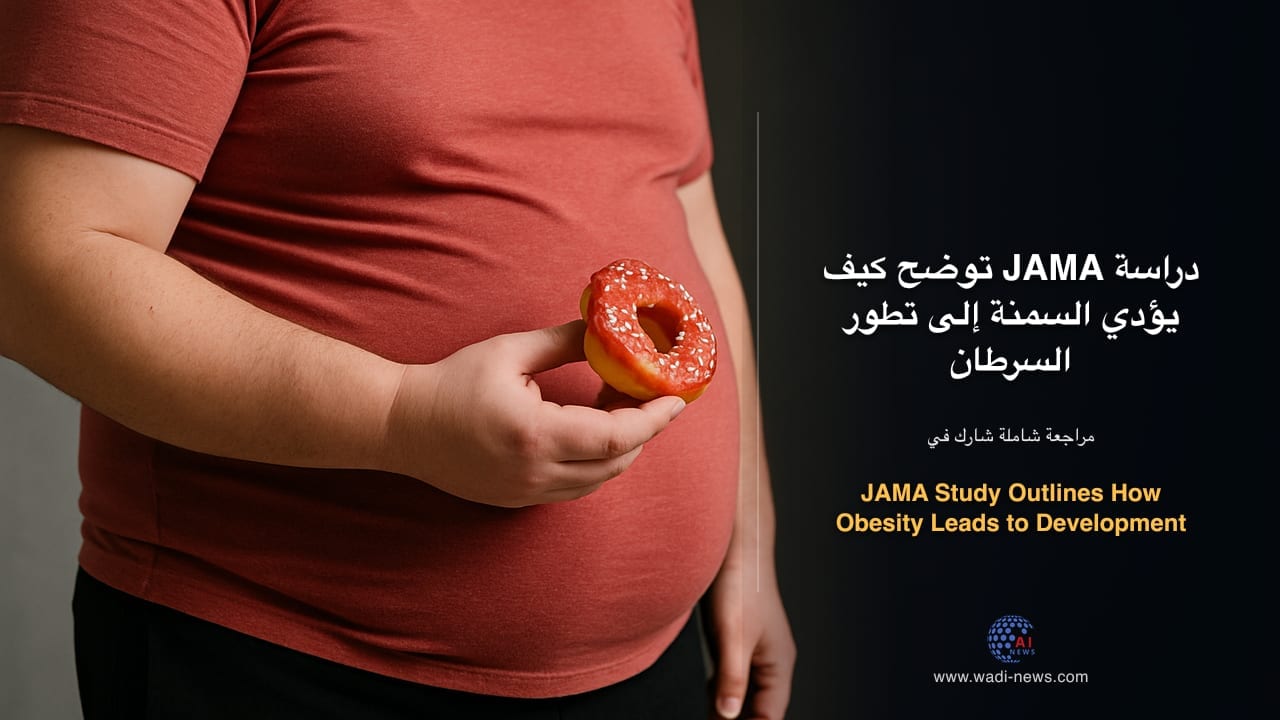
A recent study published in JAMA has highlighted a significant correlation between obesity and cancer development, indicating that approximately ten percent of new cancer diagnoses in the United States are linked to being overweight or obese. The research emphasizes that losing at least ten percent of body weight may be crucial in mitigating the adverse effects of obesity and lowering cancer risk. This comprehensive review, coauthored by Kristy Brown, Ph.D., who is the co-leader of the Obesity, Metabolic Health and Cancer research program at The University of Kansas Cancer Center, consolidates evidence from various scientific domains, including basic science, clinical trials, and population studies. It provides a detailed overview of how obesity contributes to cancer development and the potential strategies to reduce this risk.
Dr. Brown stated, "We have the epidemiological data, we have the mechanistic data, and we have the clinical data that show the impact of obesity on outcomes for patients." This statement underscores the importance of the findings, as the review identifies key mechanisms that link obesity to cancer. It also discusses how interventions that target these mechanisms can potentially disrupt the connection between obesity and cancer. The collaborative effort involved oncologists from prestigious institutions such as Memorial Sloan Kettering Cancer Center, Weill Cornell Medicine, and Winship Cancer Institute of Emory University, further validating the research's credibility.
The review also projects alarming statistics, predicting that by the year 2030, nearly fifty percent of American adults will be classified as obese, a significant increase from forty-two percent in 2020 and thirty-five percent in 2010. The International Agency for Research on Cancer has classified a dozen types of cancer as obesity-related, including colorectal, endometrial, postmenopausal breast, and pancreatic cancers, among others. This classification highlights the urgent need for public health initiatives aimed at combating obesity to reduce cancer incidence.
Furthermore, the study delves into the biological mechanisms by which excess body fat promotes cancer development. It discusses how obesity induces oxidative stress and DNA damage, triggers inflammation, and alters hormone production, all of which can contribute to tumor growth. Additionally, obesity can impair the immune system's ability to recognize and eliminate cancer cells and disrupt the gut microbiome, leading to increased inflammation and a reduction in beneficial bacteria that suppress tumors. The review also examines the potential benefits of weight loss in reducing cancer risk, exploring various weight loss treatments, including bariatric surgery and GLP-1 drugs like Wegovy (semaglutide). Dr. Brown notes that while a ten percent weight loss has been a benchmark, emerging data suggests that greater weight loss may be necessary to achieve substantial risk reduction. This comprehensive r…