
ADVERTISEMENT
Politics
From Bamako to Paris, the Routes of Immigration from Africa are Reorganizing
The flow of migrants from Algeria is intensifying, according to Frontex. Meanwhile, smugglers are attempting dangerous routes to evade border controls in Morocco and Mauritania.
Jun 26, 2026 | 1-2 min read | By Wadi News AI
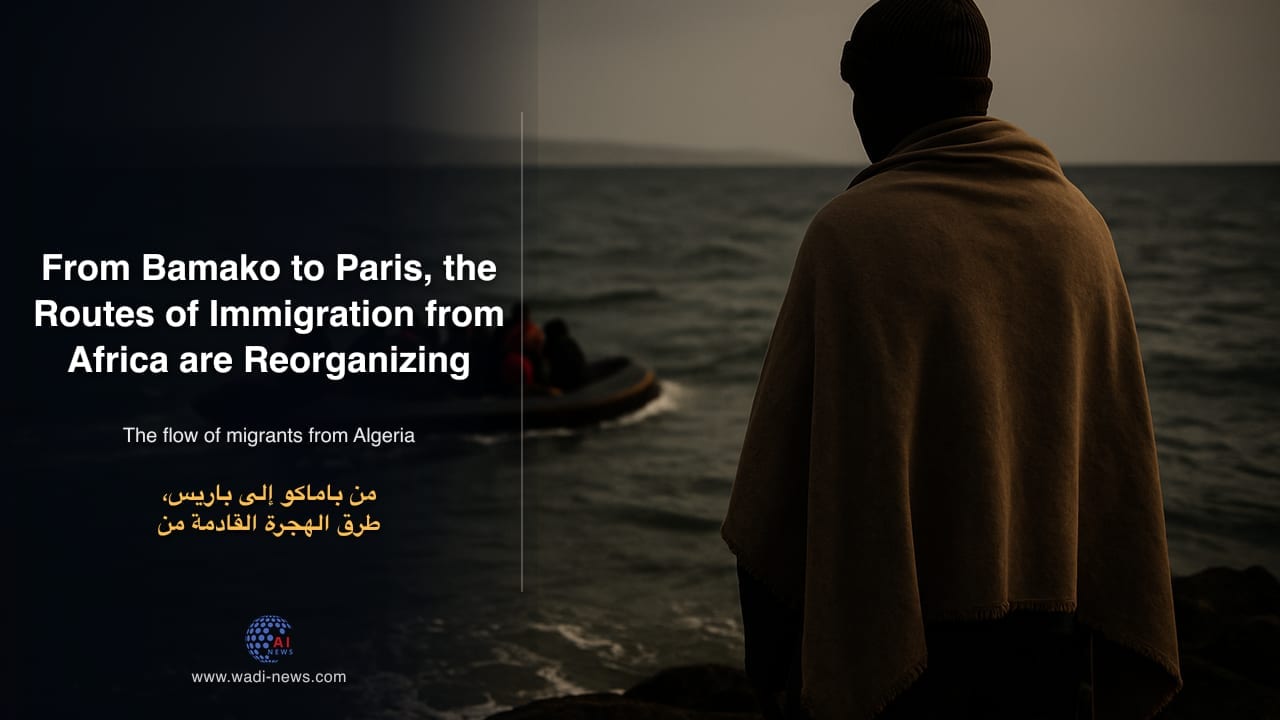
The latest figures from Frontex provide a clear picture of the current state of migration routes from Africa to Europe. Among all the routes used by international migrants, the only one that has seen an increase is the Western Mediterranean route, which connects the Maghreb to Spain. This route has recorded an average of 1,300 crossings per month from January to April, marking a 50% increase compared to previous months. The European border guards attribute this surge to Algeria remaining the primary departure country for migrants. This shift indicates a change in smuggling routes, as stricter controls in Morocco and neighboring West African routes have pushed more departures towards Algerian coasts.
The situation is further complicated by the actions of smugglers who are now resorting to more perilous paths to circumvent the heightened border controls. These routes not only pose significant risks to the migrants but also reflect the evolving dynamics of migration in the region. The Algerian coast has become a new focal point for those seeking to reach Europe, leading to concerns about the implications for both Algeria and the countries of destination.
In light of these developments, the French authorities are facing increasing pressure to address the challenges posed by this influx. The narrative of a 'new fruitful relationship' with Algeria, often touted by officials, is now being questioned as the reality on the ground suggests a more complex and troubling scenario. The rise in migration from Algeria is not just a statistic; it represents the lives and aspirations of individuals seeking better opportunities, often at great personal risk.
As the situation evolves, it is crucial for policymakers to consider comprehensive strategies that address the root causes of migration while ensuring the safety and dignity of those who embark on these dangerous journeys. The international community must also play a role in providing support and solutions that can help manage migration flows more effectively, ensuring that the rights of migrants are respected and protected.