
ADVERTISEMENT
Tech
Google’s AI Mode Crossed One Billion Users. Now It’s Replacing the Search Box Entirely.
Google's AI Mode has surpassed one billion monthly users, marking a significant shift in how users interact with search technology. The company is now introducing autonomous agents that will browse the web on behalf of users, fundamentally changing the search experience.
World | Jun 17, 2026 | 1-2 min read | By Wadi News AI
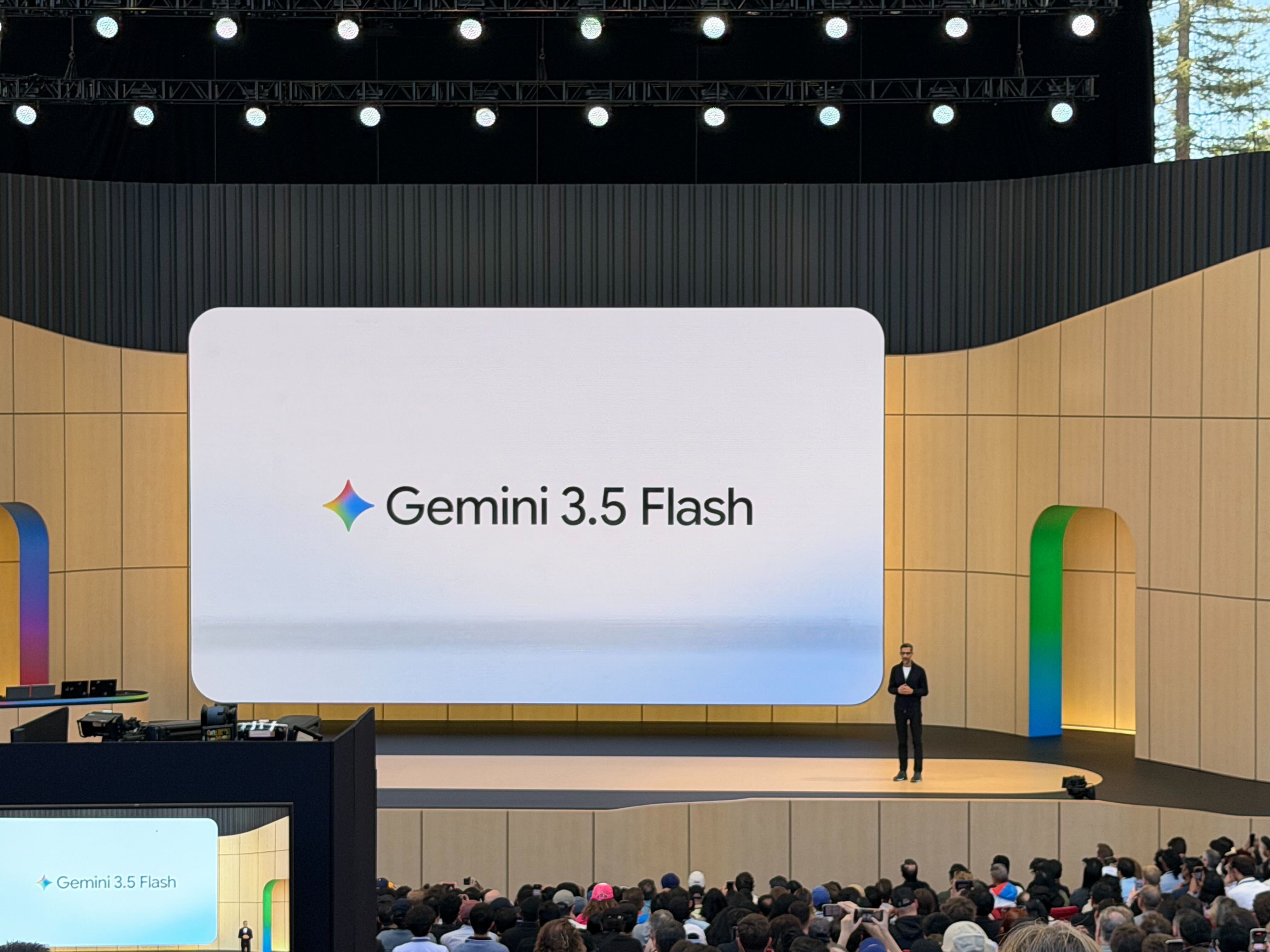
Google's AI Mode has officially crossed the milestone of one billion monthly users, a feat announced during the I/O 2026 developer conference. This significant achievement highlights the growing reliance on AI technologies in everyday internet usage. Traditionally, searching the web involved typing keywords into a search box and manually sifting through results. However, Google is now engineering a future where this process is automated, with AI agents taking over the task of browsing the web for users. These agents will operate continuously, gathering information and updates without requiring user input, fundamentally altering the way we interact with information online.
The implications of this shift are profound. The traditional elements of web browsing, such as the search box and the list of links, may soon become obsolete. Users will no longer need to engage in the act of searching; instead, they will receive synthesized information directly from their AI agents. This change is not merely a redesign of the search interface but a complete rethinking of how information is accessed and consumed. The new AI agents are designed to monitor various sources, including news sites and social media, delivering actionable insights tailored to user-defined topics. This capability goes beyond the previous Google Alerts system, which merely notified users of new occurrences of specific terms.
At the core of this transformation is Google's Gemini 3.5 Flash model, which powers these autonomous agents. This advanced model is optimized for handling multiple tasks simultaneously, allowing agents to perform complex operations independently. During the conference, Google showcased the capabilities of these agents, demonstrating their ability to create a functional operating system without human intervention. This level of autonomy represents a significant leap forward in AI technology, promising a future where users can rely on their agents to manage ongoing projects and tasks seamlessly.
As Google prepares to roll out these features, the company has also introduced a new search box that accommodates a variety of input types, including images and videos. This evolution reflects a broader trend towards more interactive and engaging user experiences. The generative user interface will allow for the creation of custom tools and dashboards, enhancing the way users interact with information. While the basic features will be available to all users, the full suite of agent capabilities will be reserved for subscribers of Google AI Pro and Ultra plans. The question remains, however, about the impact of this shift on content creators and publishers who have built their businesses around traditional web traffic metrics. As AI agents begin to synthesize information without direct user engagement, the economic model that supports online content may face significant challenges.