
ADVERTISEMENT
Politics
US threatens to reconsider role in Bosnia and Herzegovina amid rift with Europe
The US embassy in Sarajevo has issued a warning regarding its role in Bosnia and Herzegovina following a disagreement with European nations over the appointment of a new High Representative.
Jun 6, 2026, 4:24 PM | 1-2 min read | By Wadi News Editorial Team
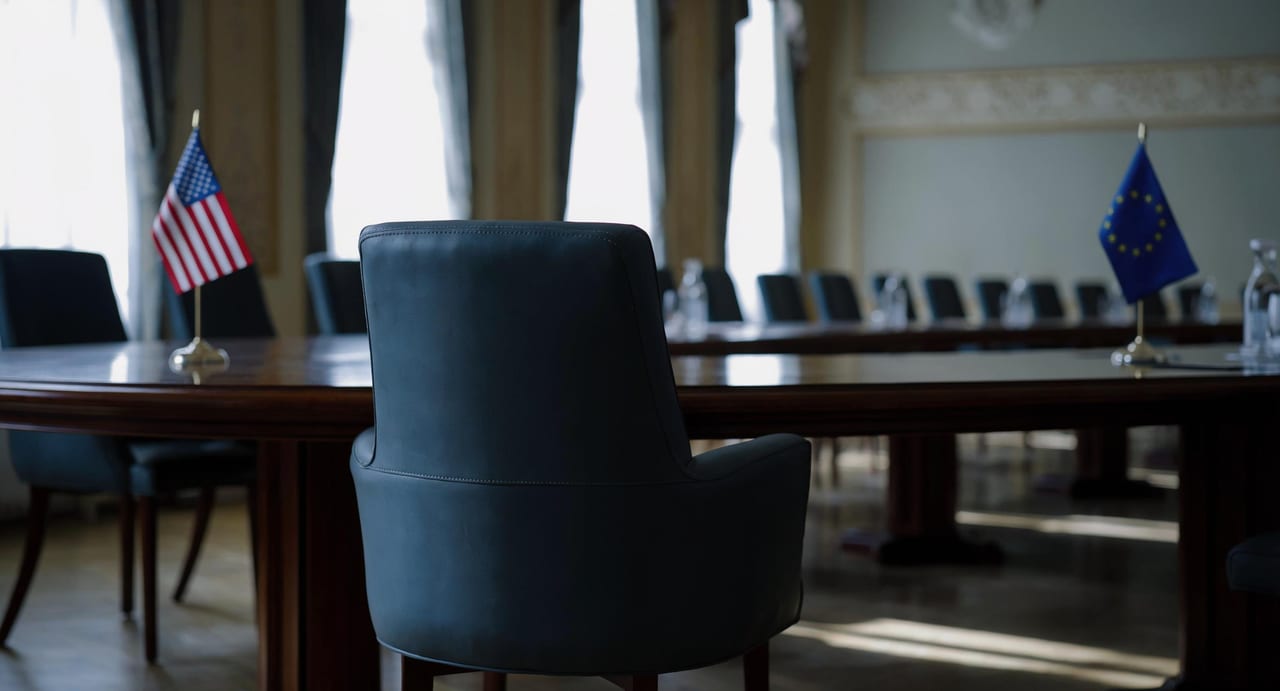
A significant rift between the United States and Europe has emerged over the future governance of Bosnia and Herzegovina, particularly regarding the appointment of a new High Representative. The US embassy in Sarajevo expressed disappointment after European nations failed to support its preferred candidate, Italian diplomat Antonio Zanardi Landi. This disagreement unfolded during a recent meeting of the Peace Implementation Council (PIC), which oversees the implementation of the 1995 Dayton peace agreement that ended the Bosnian War. The US's stance has raised concerns about its ongoing commitment to peacekeeping in the region, as it hinted at a potential reevaluation of its role in international peace efforts.
The Trump administration's push for Landi's appointment has been met with resistance from key European players, including the UK, France, and Germany, who have rallied behind France’s envoy, René Troccaz. This division highlights a growing tension between US and European diplomatic strategies in the Balkans. The US has historically played a crucial role in stabilizing Bosnia, but the current administration's approach appears to be shifting, focusing more on business interests and less on collaborative governance. Analysts suggest that this could undermine the delicate balance established by the Dayton agreement, which, despite its flaws, has been pivotal in maintaining peace in the region.
Furthermore, the US's influence in Bosnia has been complicated by recent actions, such as lifting sanctions on Milorad Dodik, a controversial leader with ties to Moscow. Critics argue that this move, coupled with the pressure on outgoing High Representative Christian Schmidt to resign, reflects a troubling trend in US foreign policy that prioritizes political alliances over democratic principles. The situation is further exacerbated by the Trump family's business interests in the region, raising questions about the motivations behind US involvement in Bosnia.
As the PIC prepares to reconvene later this month to attempt to reach a consensus on the High Representative role, the implications of the US's potential withdrawal from its peacekeeping responsibilities loom large. Political analysts warn that a diminished US presence could embolden nationalist sentiments and destabilize the fragile peace that has been maintained since the end of the war. The outcome of this diplomatic standoff will be crucial not only for Bosnia and Herzegovina but also for the broader stability of the Western Balkans.