
ADVERTISEMENT
Politics
Cocaine Worth ₹1,150 Crore Seized from Cargo Vessel Near Mundra Port
In a significant anti-narcotics operation, Gujarat ATS and Coast Guard seized 115kg of cocaine worth ₹1,150 crore from the cargo vessel MV Europe, arresting three foreign nationals in the process.
Europe | May 28, 2026 | 3 min read | By Wadi News AI
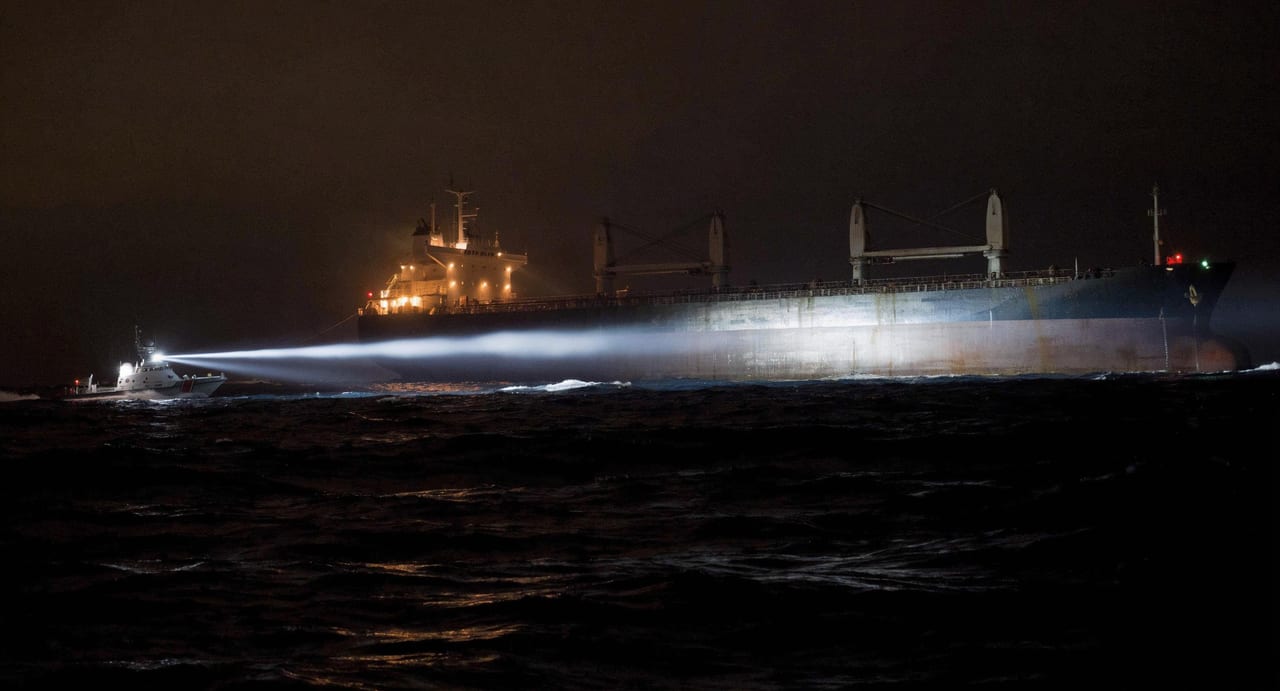
In a remarkable operation, the Gujarat Anti-Terrorist Squad (ATS) and the Indian Coast Guard successfully intercepted a cargo vessel, MV Europe, near Mundra port, seizing 115 kilograms of cocaine valued at ₹1,150 crore. This operation marks one of the largest maritime anti-narcotics crackdowns in India, highlighting the ongoing battle against international drug trafficking. The cocaine was reportedly concealed in the ship's motor room and was intended for distribution across India, with a route traced back to Brazil. The operation was initiated after receiving intelligence about a significant drug consignment being smuggled into the country through maritime channels.
On May 25, ATS teams were mobilized to Mundra following a tip-off regarding the cocaine shipment. They coordinated with the Coast Guard for a midnight interception operation. During surveillance, suspicious activities were observed on the deck of the MV Europe, leading to the recovery of several heavy bags thrown overboard by crew members. Despite challenging sea conditions, officials managed to retrieve five floating bags containing the narcotics, confirming the substance as cocaine through preliminary testing. The operation resulted in the arrest of two Tanzanian nationals aboard the vessel, while another crew member jumped into the sea and is feared drowned.
The investigation revealed that the cocaine had traveled a long route, originating in Brazil and passing through various countries before reaching Indian waters. The drugs were intended to be transferred to another vessel in the outer anchorage of Mundra port before being transported to Delhi for further distribution. Authorities suspect that the traffickers planned to hide the cocaine within trucks carrying perishable goods to evade detection. The operation underscores the sophistication of international drug trafficking networks and the need for enhanced surveillance and cooperation among law enforcement agencies.
As the investigation unfolds, officials are probing the connections between the arrested individuals and a larger drug syndicate operating across multiple countries. The use of electronic tracking devices found on the vessel indicates a high level of organization and planning among the traffickers. This seizure not only represents a significant blow to the drug trade but also highlights the importance of ongoing efforts to combat narcotics trafficking in India. The Gujarat ATS and Coast Guard have demonstrated their commitment to tackling this issue, with this operation being the 15th successful anti-narcotics operation conducted in collaboration over the past five years.
The Implications of the Seizure
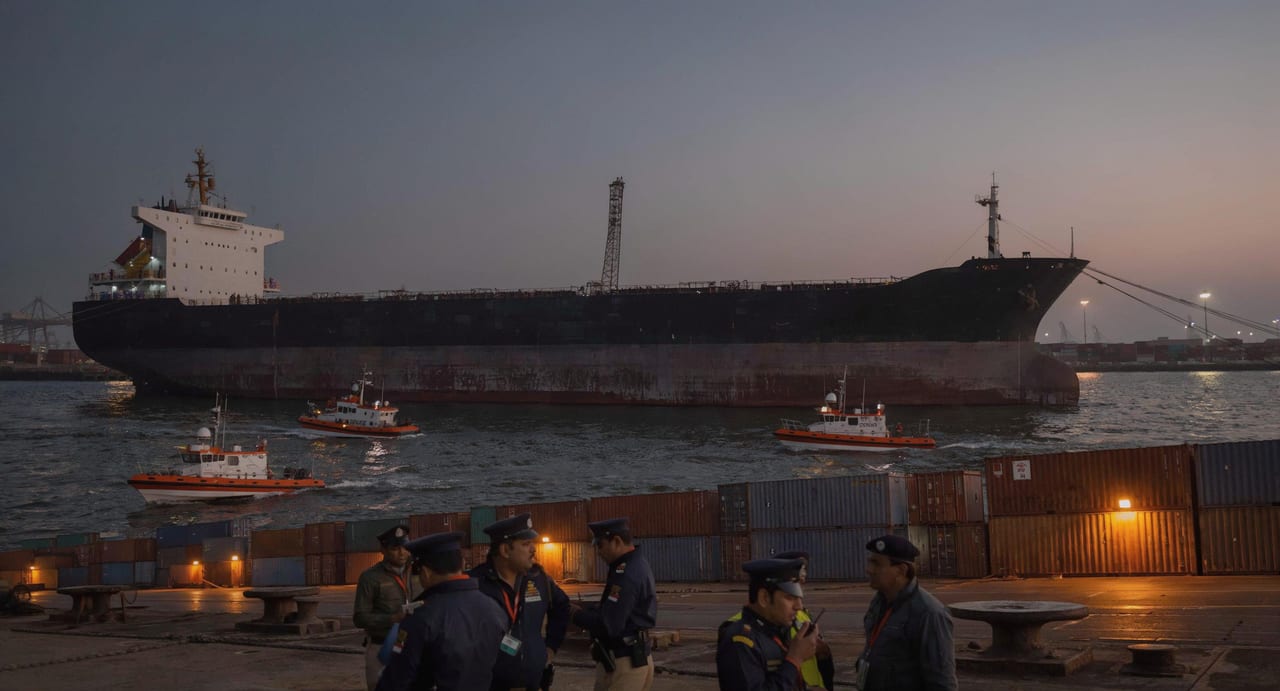
The seizure of such a large quantity of cocaine has significant implications for both national security and public health. It highlights the persistent threat posed by international drug trafficking networks that exploit maritime routes to smuggle narcotics into India. The operation not only disrupts the immediate supply chain of drugs but also sends a strong message to drug cartels that law enforcement agencies are vigilant and capable of thwarting their operations. Furthermore, the use of advanced technology by traffickers, such as electronic tracking devices, underscores the need for law enforcement to adapt and enhance their surveillance techniques to counter these evolving threats.
In addition to the immediate impact on drug availability, this seizure could lead to further investigations into the broader network of drug trafficking that spans multiple countries. Authorities may uncover additional links to suppliers in Latin America and operatives in Africa, potentially leading to more arrests and seizures in the future. The collaboration between various law enforcement agencies, including the Gujarat ATS and Coast Guard, exemplifies the importance of coordinated efforts in combating transnational crime. As investigations continue, it is crucial for authorities to remain proactive in addressing the challenges posed by drug trafficking and to implement strategies that effectively dismantle these networks.