
ADVERTISEMENT
Politics
Alexander Dobrindt Abolishes Ban on TikTok and Social Media for Children
Germany's Interior Minister Alexander Dobrindt has rejected plans to ban social media platforms like TikTok and Instagram for children, citing the complexity of enforcing such a ban.
Germany | May 25, 2026 | 1-2 min read | By Wadi News AI
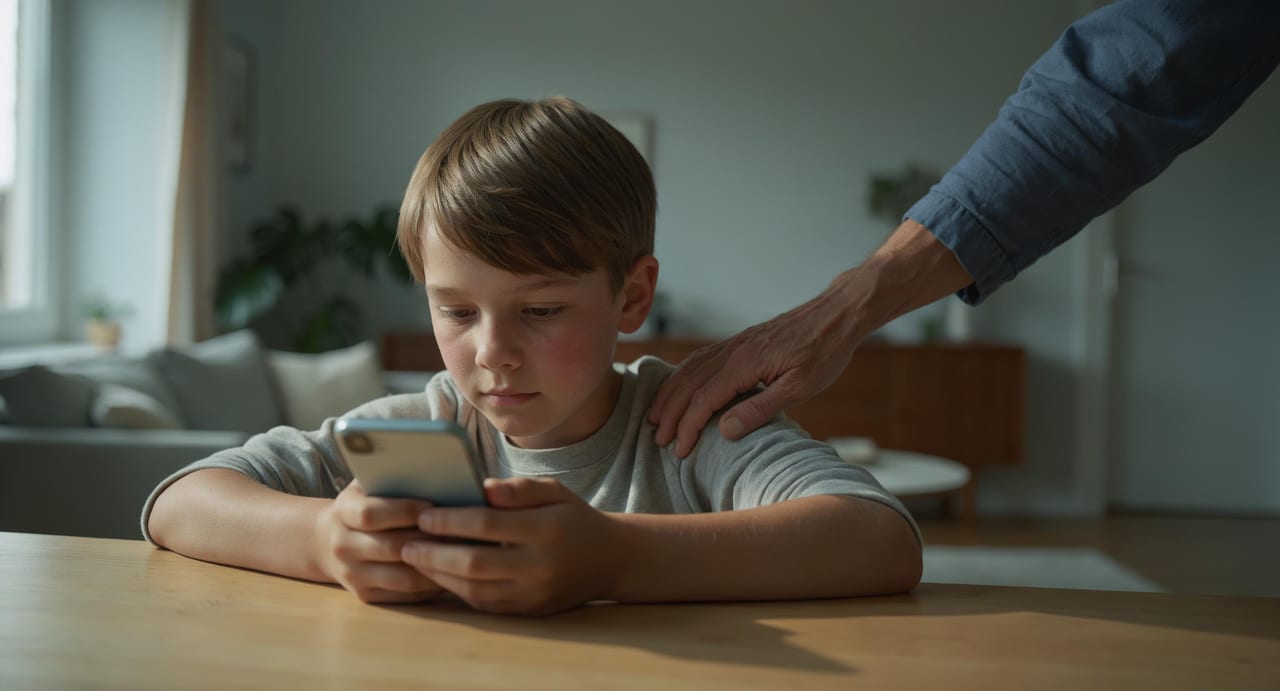
In a significant move, German Interior Minister Alexander Dobrindt has announced that he will not support a ban on social media platforms such as TikTok and Instagram for children. This decision comes amidst growing international pressure on these platforms regarding their impact on young users. Dobrindt, a member of the Christian Social Union (CSU), expressed his concerns about the practicality of enforcing such a ban, stating, 'A simple prohibition is difficult to enforce and not very effective.' He emphasized that the responsibility for children's media consumption should not solely rest with the state, but also with families and parents.
Dobrindt's remarks highlight a growing divide within the German political landscape regarding the regulation of social media. While the CDU, Dobrindt's sister party, has shown support for stricter regulations, Dobrindt believes that the solution lies in parental guidance rather than government intervention. He stated, 'The fundamental decision about when a child receives a smartphone should not be made by the state, but by families and parents.' This perspective reflects a broader debate about the role of government in regulating technology and its effects on society.
The discussion around social media bans for children is not unique to Germany. Countries like Australia have already implemented restrictions, banning social media access for users under 16. In Europe, nations such as Denmark and France are pushing for stricter age limits on social media usage. Dobrindt's stance may complicate efforts to establish a unified approach to social media regulation across the EU, especially as other countries take more aggressive actions.
As the debate continues, it remains to be seen how Germany will navigate the challenges posed by social media in the lives of children. Dobrindt's rejection of a ban could lead to a more nuanced approach that emphasizes education and parental involvement over outright prohibition. This could set a precedent for how other nations address similar issues in the future.