
ADVERTISEMENT
Politics
Morocco Boosting Tourism to Tighten Its Control of Western Sahara
The Moroccan government is actively promoting tourism in Western Sahara, a territory it claims as its own, amidst ongoing international disputes regarding its sovereignty.
Africa | May 25, 2026 | 1-2 min read | By Wadi News AI
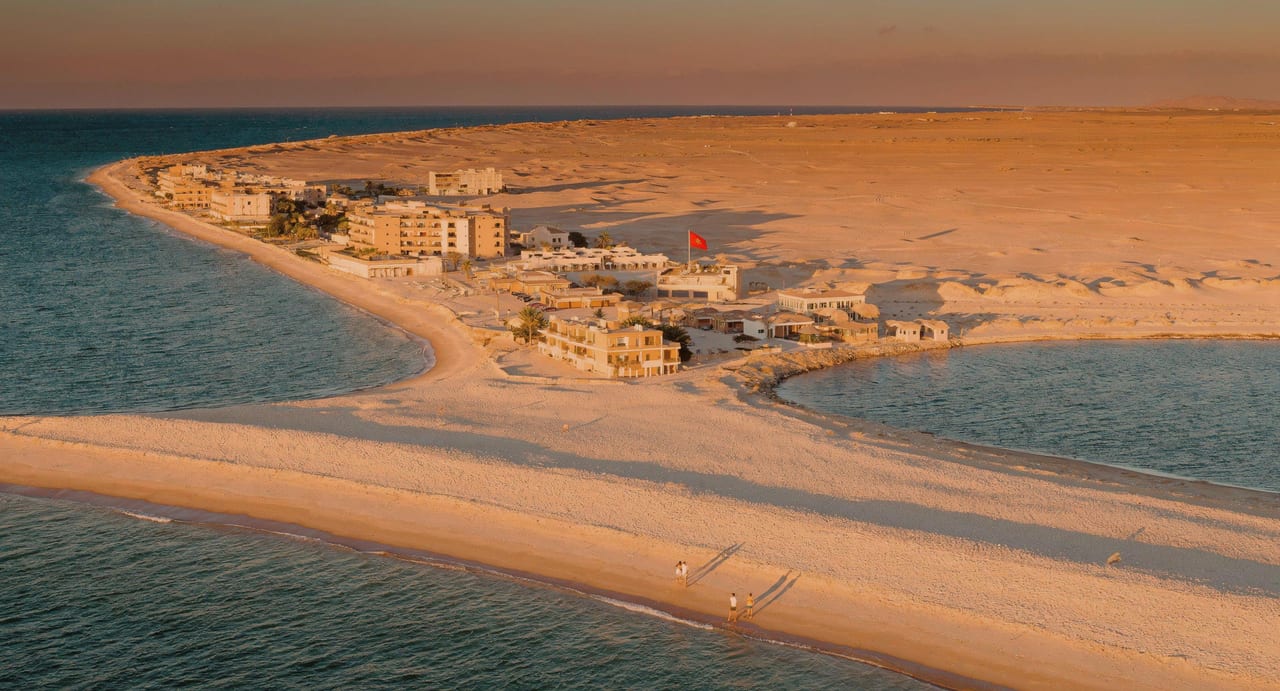
The Moroccan government has set its sights on increasing the number of tourists visiting Western Sahara, a region it considers part of its sovereign territory. This initiative comes as part of a broader strategy to solidify its control over the area, which has been the subject of a long-standing territorial dispute. Recent data from the Moroccan Ministry of Tourism indicates that visitor numbers to the region have surged by over 50% in the past seven years, rising from approximately 490,297 in 2019 to 743,133 in 2025. This increase is attributed to enhanced air travel connections, with airlines such as Ryanair and Transavia France now offering direct flights to Dakhla, a city located in Western Sahara.
Despite the attractive marketing campaigns promoting Dakhla as a hidden gem of Morocco, the reality is that tourists are stepping into one of the world's longest-running territorial disputes. The United Nations classifies Western Sahara as a "non-self-governing territory," meaning that the local population lacks the ability to govern itself. Approximately 80% of the territory is currently administered by Morocco, which refers to it as its "southern provinces." The UN has consistently advocated for a resolution to the dispute, including a referendum for the indigenous Sahrawi people, but such a vote has yet to occur.
The push for tourism in Western Sahara raises significant concerns among rights groups and legal experts. They argue that marketing the region as part of Morocco not only misrepresents the legal status of the territory but also legitimizes Morocco's occupation. Critics emphasize that airlines and travel companies should clearly distinguish Western Sahara from Morocco to avoid contributing to a distortion of international law. For instance, while Ryanair promotes flights to Dakhla as a Moroccan adventure, other airlines like Binter Canarias refer to the area as Western Sahara, highlighting the ongoing debate over the region's status.
As the Moroccan government invests heavily in tourism infrastructure, the implications for the Sahrawi people remain dire. The Polisario Front, which advocates for the independence of Western Sahara, views the influx of tourists as an attempt by Morocco to impose a "fait accompli" regarding its claims to the territory. They argue that the majority of tourists are unaware of the complex political situation and the historical context of the region. The ongoing conflict, which began after Spain's withdrawal from the territory in 1976, has left the Sahrawi people in a precarious position, with their right to self-determination still unrecognized. As Morocco continues to develop tourism in Western Sahara, the international community watches closely, with calls for a political solution under UN supervision remaining paramount.