
ADVERTISEMENT
Economy
Royal Air Maroc Suspends Multiple Routes in Central Africa Due to Soaring Jet Fuel Prices
Royal Air Maroc has announced the temporary suspension of several routes to Central Africa due to the significant increase in jet fuel prices caused by geopolitical tensions in the Middle East.
Morocco | May 25, 2026 | 1-2 min read | By Wadi News AI
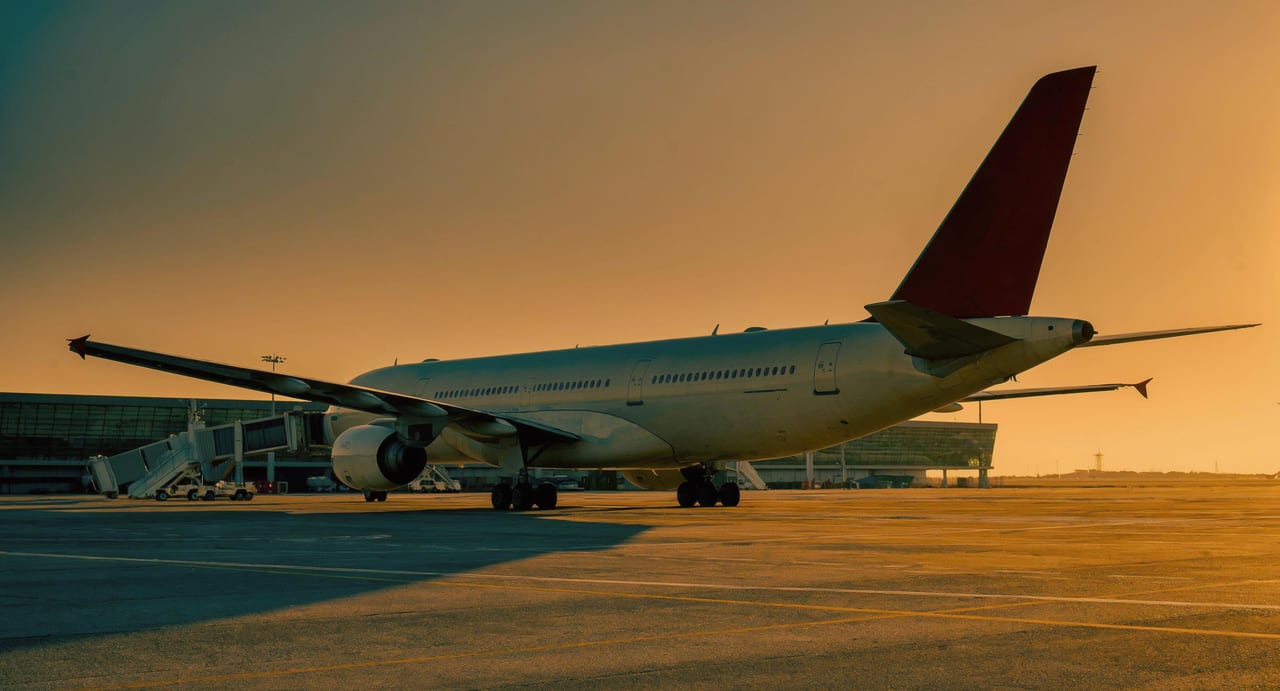
Royal Air Maroc (RAM) has recently faced challenges due to the rising costs of jet fuel, which have nearly doubled in the past month. This surge in prices is attributed to ongoing geopolitical tensions in the Middle East, particularly the conflict involving Iran and Israel. As a direct consequence, RAM announced on May 23, 2026, the temporary suspension of several routes to Central Africa, affecting flights to Douala and Yaoundé in Cameroon, Libreville in Gabon, and Bangui in the Central African Republic. Flights to Kinshasa in the Democratic Republic of Congo and Brazzaville in the Republic of Congo will also be suspended until June 30, 2026.
The company has indicated that these suspensions will remain in effect until at least June 9 for some destinations and June 17 for others, with the possibility of further updates depending on the evolving situation. This decision has already led to numerous flight cancellations, and passengers are currently unable to book tickets for the affected routes. The airline has not specified the exact date these suspensions will take effect, but internal sources suggest that the measures will begin immediately.
In its official statement, RAM cited the rising jet fuel prices as a direct result of geopolitical tensions, emphasizing the economic implications of these changes. The airline noted that the demand for certain routes has decreased due to the increased ticket prices, which have risen in tandem with fuel costs. This situation has prompted RAM to reassess its operations in Central Africa, where price sensitivity is particularly high among travelers.
Despite these challenges, RAM remains committed to maintaining its presence in Africa, asserting that 90% of its routes are still operational. The airline has pledged to gradually restore suspended routes as soon as operational and economic conditions allow. The future of these routes will largely depend on improvements in the geopolitical landscape and a significant decrease in jet fuel prices. As negotiations continue regarding the Middle Eastern conflict, the airline is hopeful for a resolution that would enable it to resume its full range of services in the region.