
ADVERTISEMENT
Politics
The Hantavirus Outbreak: A Warning for Global Pandemic Preparedness
The hantavirus outbreak serves as a critical reminder of the gaps in global pandemic prevention and preparedness. With recent cases emerging, the world must take action to improve its response to potential pandemics.
World | May 19, 2026 | 1-2 min read | By Wadi News AI
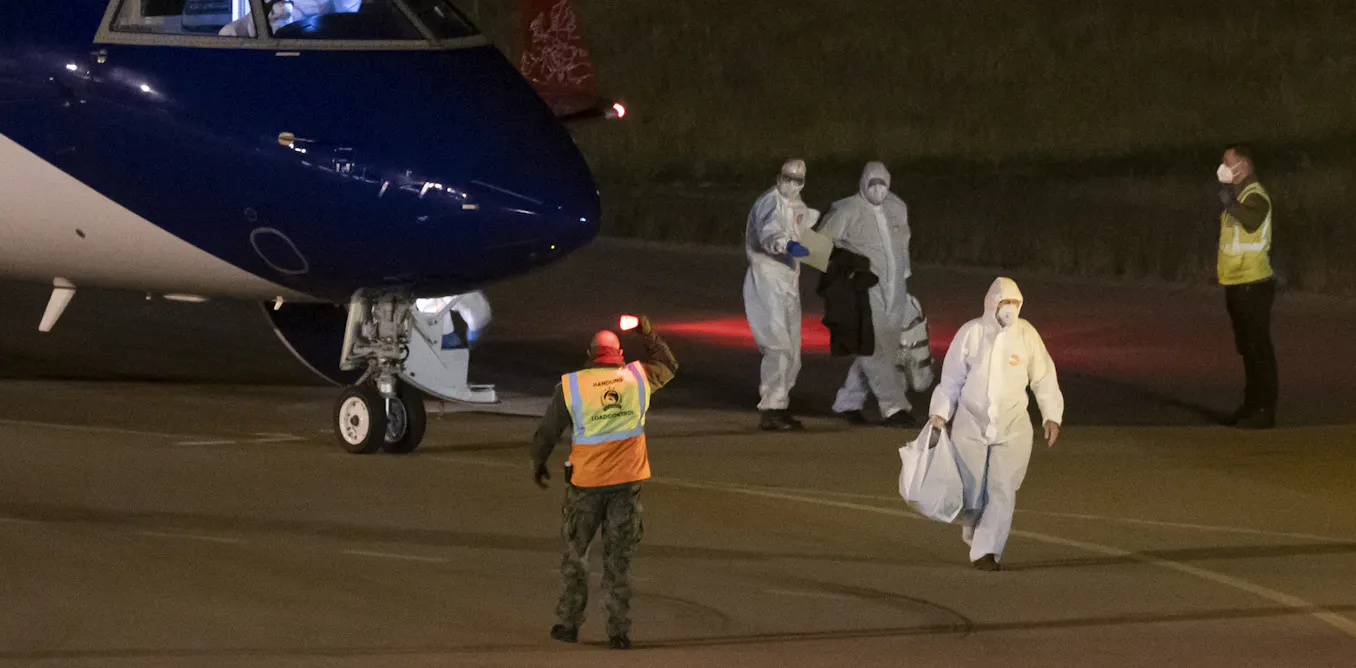
The recent hantavirus outbreak has raised alarms globally, highlighting the persistent vulnerabilities in our pandemic preparedness systems. The latest case, involving a Canadian passenger, underscores that the outbreak is not yet over. With a long incubation period, it is likely that more cases will emerge, necessitating continued vigilance and monitoring. Over 120 passengers from the cruise ship MV Hondius are currently being observed, with some in quarantine to prevent further spread. This situation serves as a stark reminder of the importance of coordinated global responses to health threats.
The hantavirus, particularly the Andes strain, poses unique challenges due to its zoonotic transmission capabilities. Originating from rodent reservoirs, it can spread from animals to humans and, in some cases, from person to person. This characteristic is alarming, especially considering the high case fatality rate associated with the virus, which ranges from 21% to 36%. The long incubation period complicates containment efforts, allowing the virus to spread widely before symptoms manifest. The parallels with the COVID-19 pandemic are evident, as both viruses share similar transmission dynamics and potential for rapid spread.
Despite these concerns, experts believe that the current outbreak is unlikely to escalate into a global pandemic. The World Health Organization's rapid response and the known nature of the hantavirus play crucial roles in this assessment. Unlike COVID-19, the Andes virus was already recognized by health authorities, allowing for quicker containment measures. The transmission of the virus is primarily concentrated around the time symptoms develop, which reduces the likelihood of widespread outbreaks. Historical data shows that previous hantavirus outbreaks have been effectively managed through contact tracing and isolation protocols.
This outbreak serves as a critical lesson for global health security. It emphasizes the need for robust international cooperation and the reinforcement of the World Health Organization's role in pandemic preparedness. The recent amendments to the International Health Regulations and the adoption of the Pandemic Agreement are steps in the right direction, but challenges remain. The withdrawal of key nations from the WHO and funding cuts hinder global health initiatives, leaving the world vulnerable to future outbreaks. To mitigate these risks, it is essential to enhance communication strategies, improve indoor air quality, and invest in research to understand the ecological factors contributing to viral spillover. The hantavirus outbreak is a wake-up call, reminding us that the next pandemic could emerge swiftly if we do not bolster our preparedness efforts.