
ADVERTISEMENT
Economy
Burnham Seeks to Calm Markets by Committing to Fiscal Rules
Greater Manchester Mayor Andy Burnham has reaffirmed his commitment to existing fiscal rules, aiming to stabilize the markets amid rising UK borrowing costs and political uncertainty.
World | May 19, 2026 | 1-2 min read | By Wadi News AI
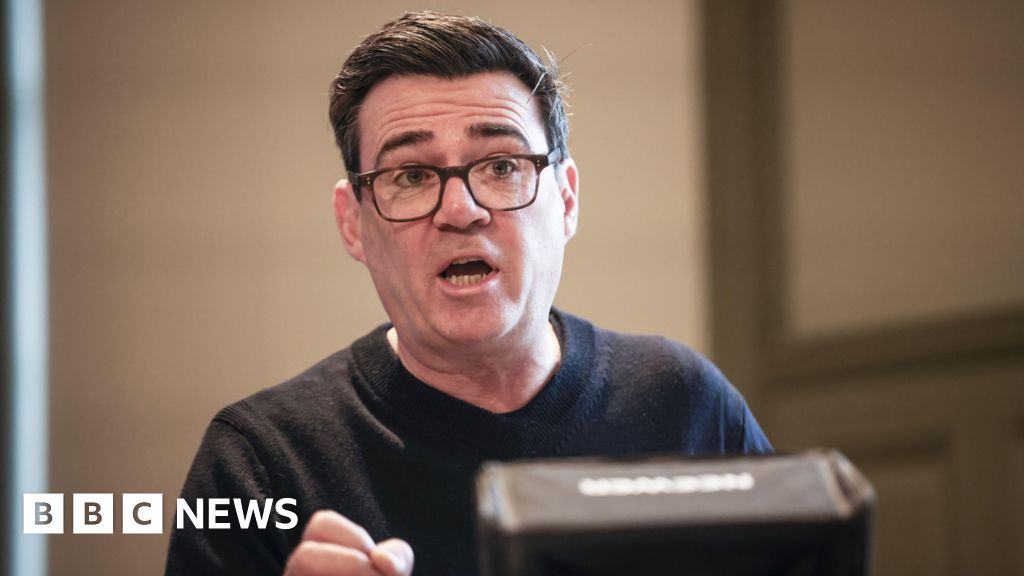
In a recent move to stabilize the financial markets, Greater Manchester Mayor Andy Burnham has committed to adhering to the government's existing fiscal rules. This decision comes at a time when UK borrowing costs have been on the rise, particularly in light of the upcoming Makerfield by-election and the potential for Burnham to enter a Labour leadership contest. The markets have reacted positively to his reaffirmation of these fiscal constraints, which are designed to limit government borrowing and ensure that debt as a share of national income decreases by the end of the current Parliament in 2029.
Burnham's earlier suggestions to modify these fiscal rules, particularly to allow for increased defense spending similar to Germany's approach, have been put aside. On Monday, his campaign confirmed that changing the fiscal rules was no longer an option, emphasizing the importance of maintaining a stable economic environment. A former minister and supporter of Burnham noted that understanding the constraints of borrowing costs is crucial for government operations, highlighting the need for fiscal discipline.
The response from the bond market has been notable, with the UK 10-year gilt yield falling back after Burnham's comments. This decline is seen as a direct result of his efforts to reassure investors during a period of global economic turbulence. Bond market expert Mohamed El-Erian remarked that Burnham's clarification of his fiscal stance was timely and necessary, especially given the current volatility in the bond markets worldwide.
As the International Monetary Fund has urged the UK to adhere to its fiscal rules, Burnham's commitment aligns with broader economic strategies aimed at reducing government borrowing faster than other major economies. However, the political landscape remains fraught with uncertainty, particularly with the ongoing conflict in the Gulf and its implications for inflation and interest rates. Burnham's comments reflect a desire to not only stabilize the markets but also to change the political discourse in the UK, which he believes contributes to market uncertainty. He has called for a clear plan to reduce debt while simultaneously addressing the need for infrastructure investment in areas such as housing and transport, which may require tough decisions regarding taxation and public spending.
In conclusion, Burnham's commitment to fiscal rules represents a significant step towards calming the markets and restoring confidence among investors. As he navigates the complexities of political leadership and economic management, his approach will be closely monitored by both supporters and critics alike. The coming weeks will be crucial as the Makerfield by-election approaches and the Labour leadership contest looms on the horizon, potentially reshaping the future of UK politics and its economic policies.